Why Real Seoul Food Lives Off the Beaten Path
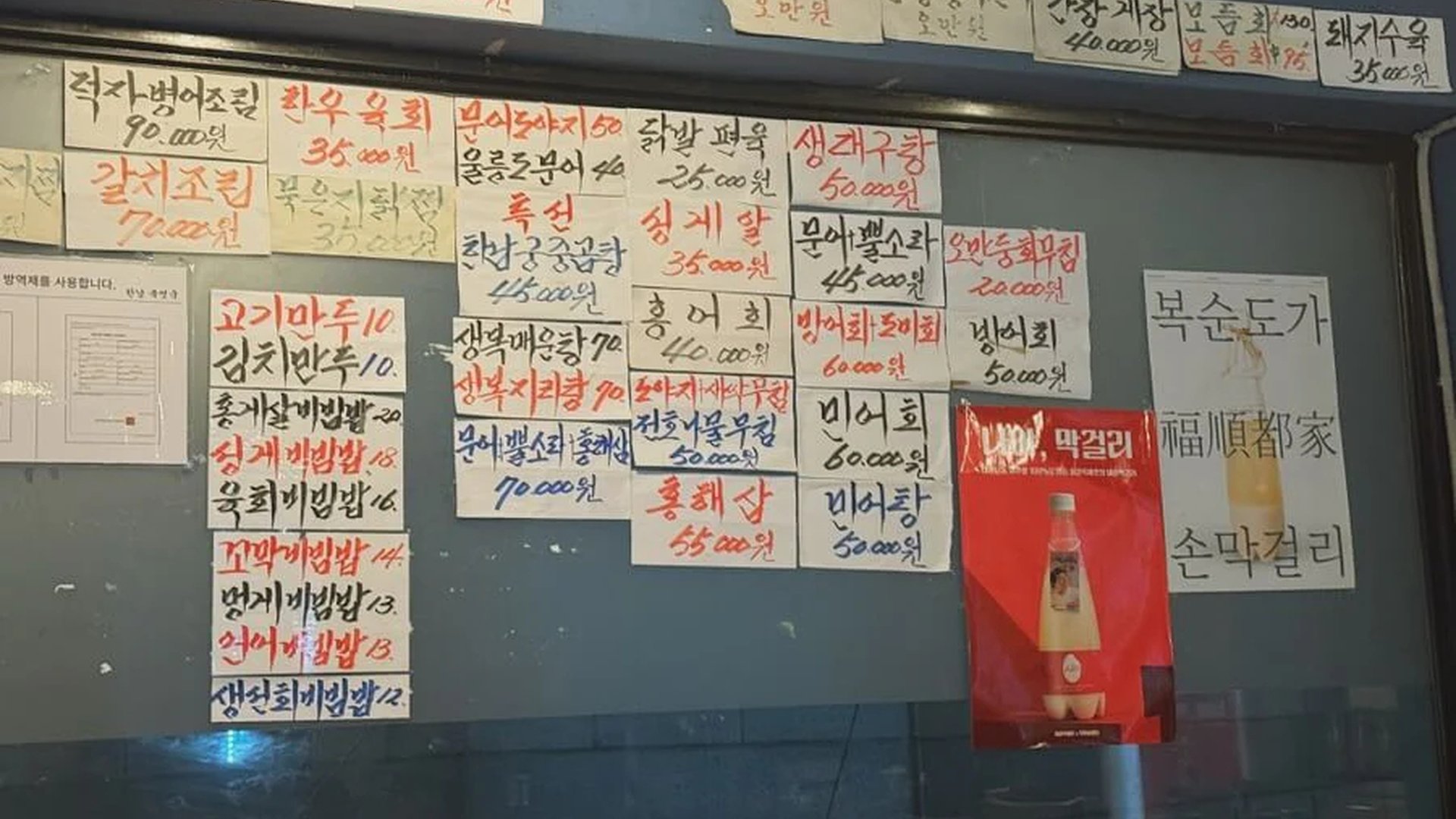
Most visitors to Seoul rush straight to the neon glow of Myeongdong or the bustling alleys of Insadong. But true flavor—authenticity that lingers on the tongue and warms the soul—comes from the quiet side streets, hole-in-the-wall shops, and family-run eateries that escape the guidebooks. My first real taste of Seoul didn’t come from a trendy hipster cafe. It was in a 15-square-meter kitchen in Hongdae, where a grandmother served me hot, chewy tteokbokki over a cracked ceramic bowl. No menus. No sign. Just a handwritten list taped to the wall. That moment taught me: the best Seoul eats aren’t found on maps—they’re discovered through curiosity, timing, and a willingness to step off the main drag.
Where to Eat Like a Local: Hidden Gems You Can’t Miss
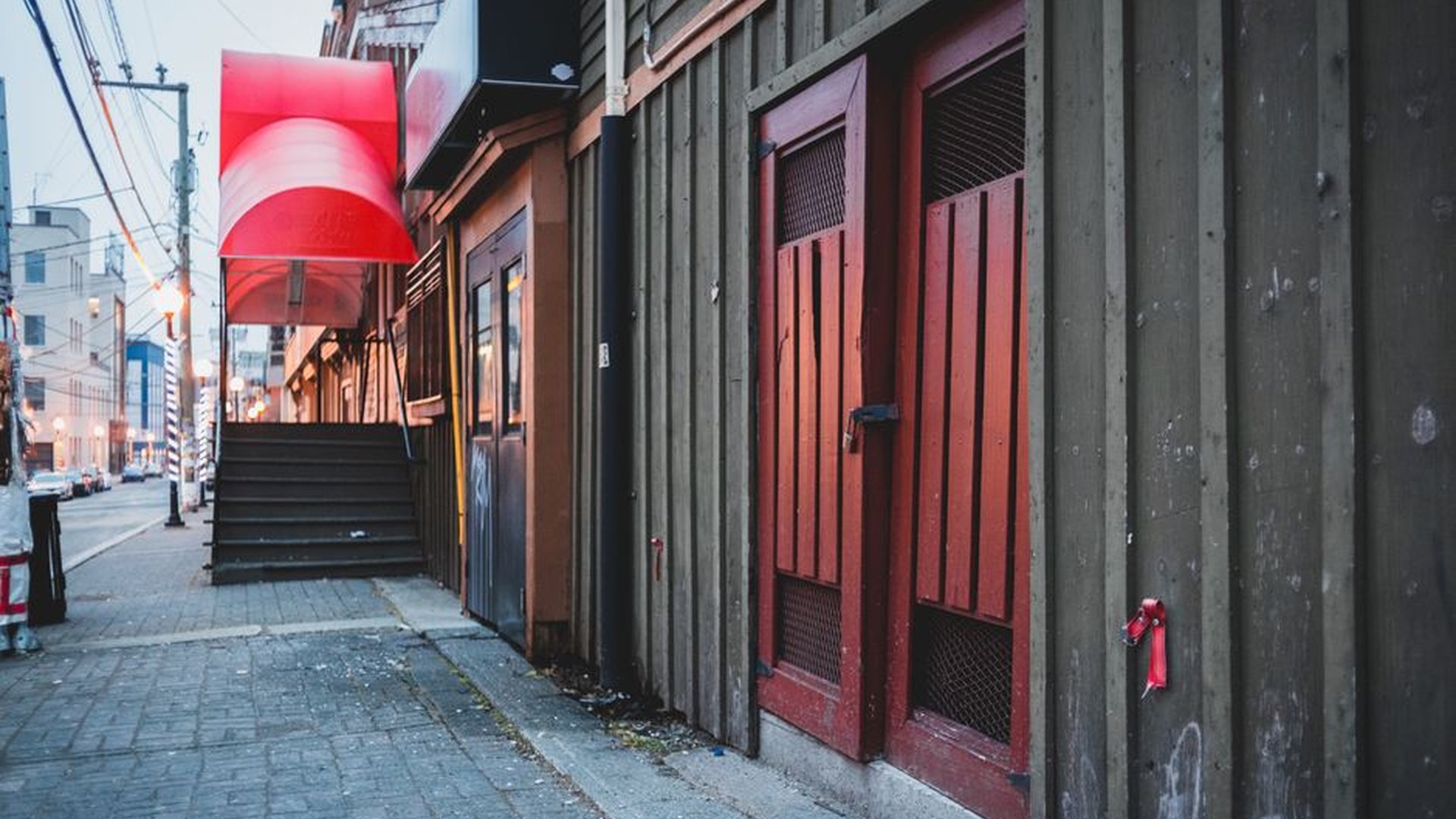
Forget the polished restaurants that promise ‘traditional’ but serve watered-down versions of Korean classics. The real magic happens in neighborhoods like Itaewon’s backstreets, Gangnam’s side alleys, and the old-school blocks of Seongsu. In Seongsu, tucked behind a row of faded red doors, you’ll find Janggol Jjim, a no-frills joint known only to the neighborhood’s office workers. Their galbitang—braised short ribs in a rich, herbal broth—is simmered for 14 hours. No Instagram shots. No seating for two. Just the sound of the big pot bubbling and the smell of soy, ginger, and perilla leaf thick in the air. Come at 5:30 p.m. sharp, or you’ll be turned away. That’s how locals know it’s real.
Another secret lies in the basement of a 1980s apartment complex in Jung-gu. Dongguk Baekjeong—a name that sounds like a philosophy book—is a simple noodle shop. But their jajangmyeon, the black-bean sauce over thick, chewy noodles, is a revelation. The owner, a man in his 70s with ink-stained fingers, tells me he learned the recipe from a Chinese chef in Busan during the 1960s. The sauce isn’t sweet. It’s salty, earthy, layered. He says, ‘People think this is just junk food. But it’s memory. It’s a war. It’s everything.’ That’s not a pitch. That’s a truth.
Street Food That Tells a Story
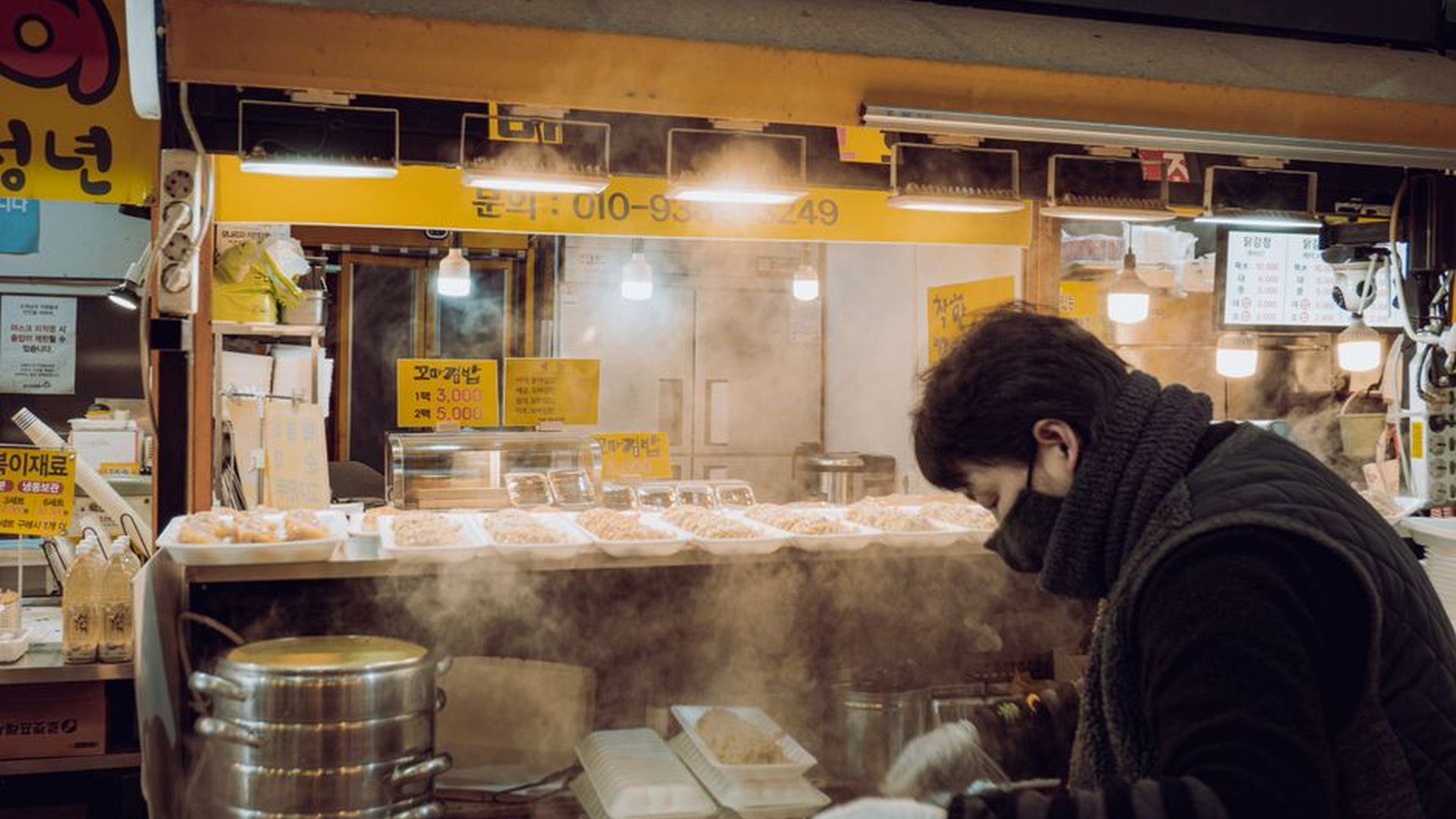
Seoul’s street food is more than quick bites. It’s a living archive. In the morning, you’ll find old men with silver hair folding raw, steamed rice cakes (tteok) in front of their motorbikes at Dongdaemun Market. These aren’t just snacks—they’re breakfast, ritual, and sometimes, a starter for a long workday. The texture is sticky, almost gelatinous, and the fillings vary: brined green chili, grilled sesame seed, or minced beef with soyed scallions and a drizzle of chili oil. I once asked a vendor why he always uses chalky white rice instead of the shiny kind. He smiled. ‘Because this kind doesn’t break under pressure. Like us.’
Later in the afternoon, the kimchi jjigae stands near Gyeongbokgung Palace begin to fire up. Here, the stew isn’t just comfort food. It’s a performance. The cook, a woman in a faded apron, stirs with a wooden spoon while shouting over the roar of the neighborhood. Her version uses homemade kimchi made from 27-day fermented cabbage, a mix of radish and apple for balance, and a single square of dried anchovy for depth. When she serves it, she adds a raw egg and a handful of chopped perilla leaves. ‘This,’ she says, ‘is what you eat when you’re tired of being polite.’
Don’t Skip the Missing Meals: The Hidden Push
One of the biggest myths about Seoul dining is that you must eat K-baps or bibimbap at lunchtime. But a true local knows that the most powerful meals often happen at odd hours—after midnight, during the 3 p.m. slump, or just after a sudden rainstorm. In the basement of a former textile shop in Sangam, there’s a tiny, 12-seat restaurant called Dabu. They serve only one thing: a Dabu stew—goat meat, barley, leeks, and a broth so rich it forms a membrane on the spoon. No waitlists. No reservations. You stand in line and hand over 12,000 won. But if you’re lucky, you’ll get the last bowl at 11:47 p.m.
I met a Japanese backpacker who’d spent weeks hunting this place. He said, ‘I came here after a full day of hiking in Namsan. I was cold, tired, and hungry. But this stew—when I tasted it, I forgot I was tired. It wasn’t food. It was like a hug from the city.’
How to Read a Seoul Menu Like a Local
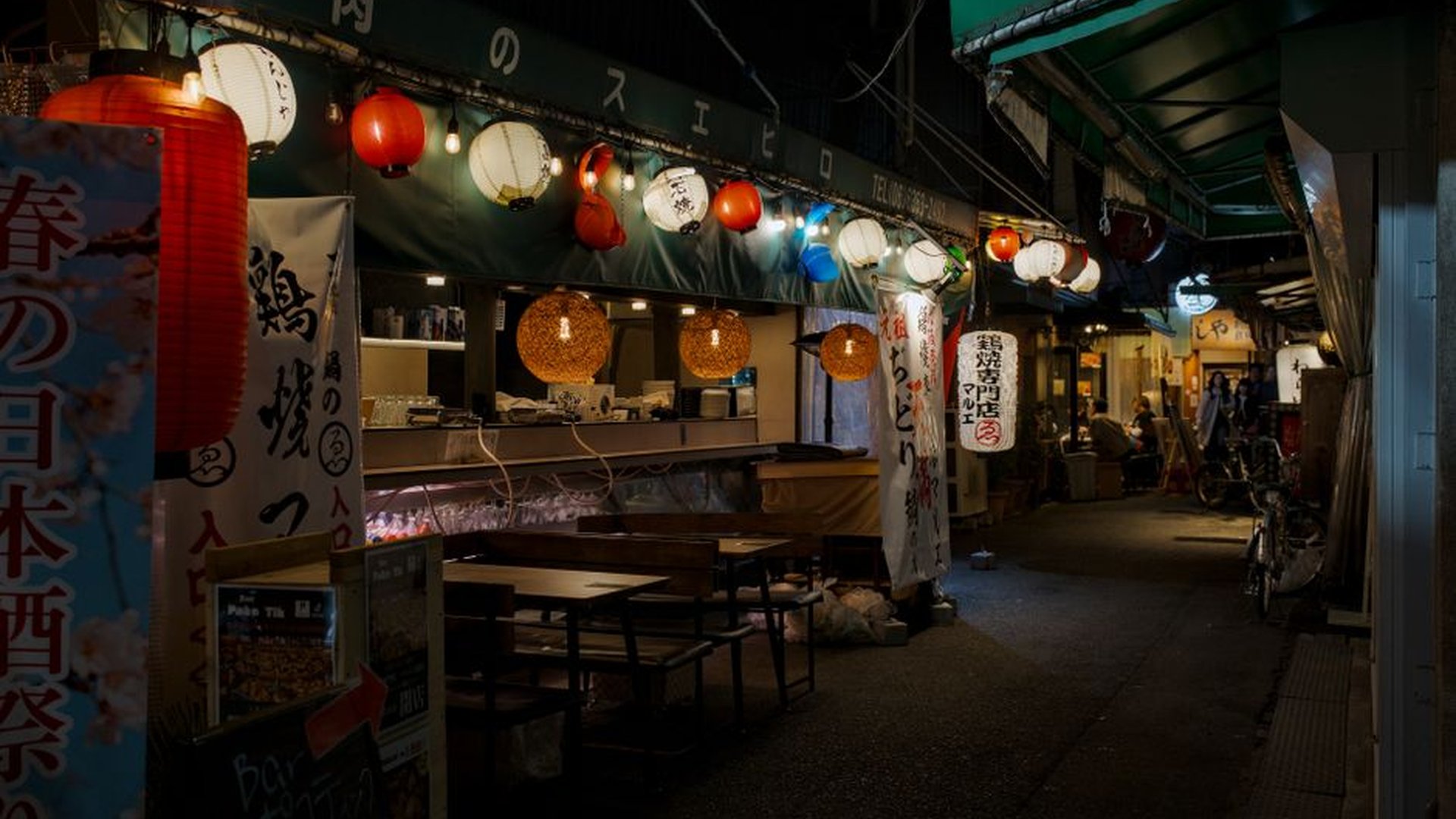
Many tourists panic when they see a restaurant menu with no English. But in Seoul, language isn’t a barrier—it’s a clue. Look at the font. A small, handwritten kanji-like script on a worn paper sheet means old-school and reliable. A sticker with a lion in front of a diner’s name? That’s a sign of a father-son team. A price under 10,000 won? That’s not budget food. It’s what the staff eat at lunch.
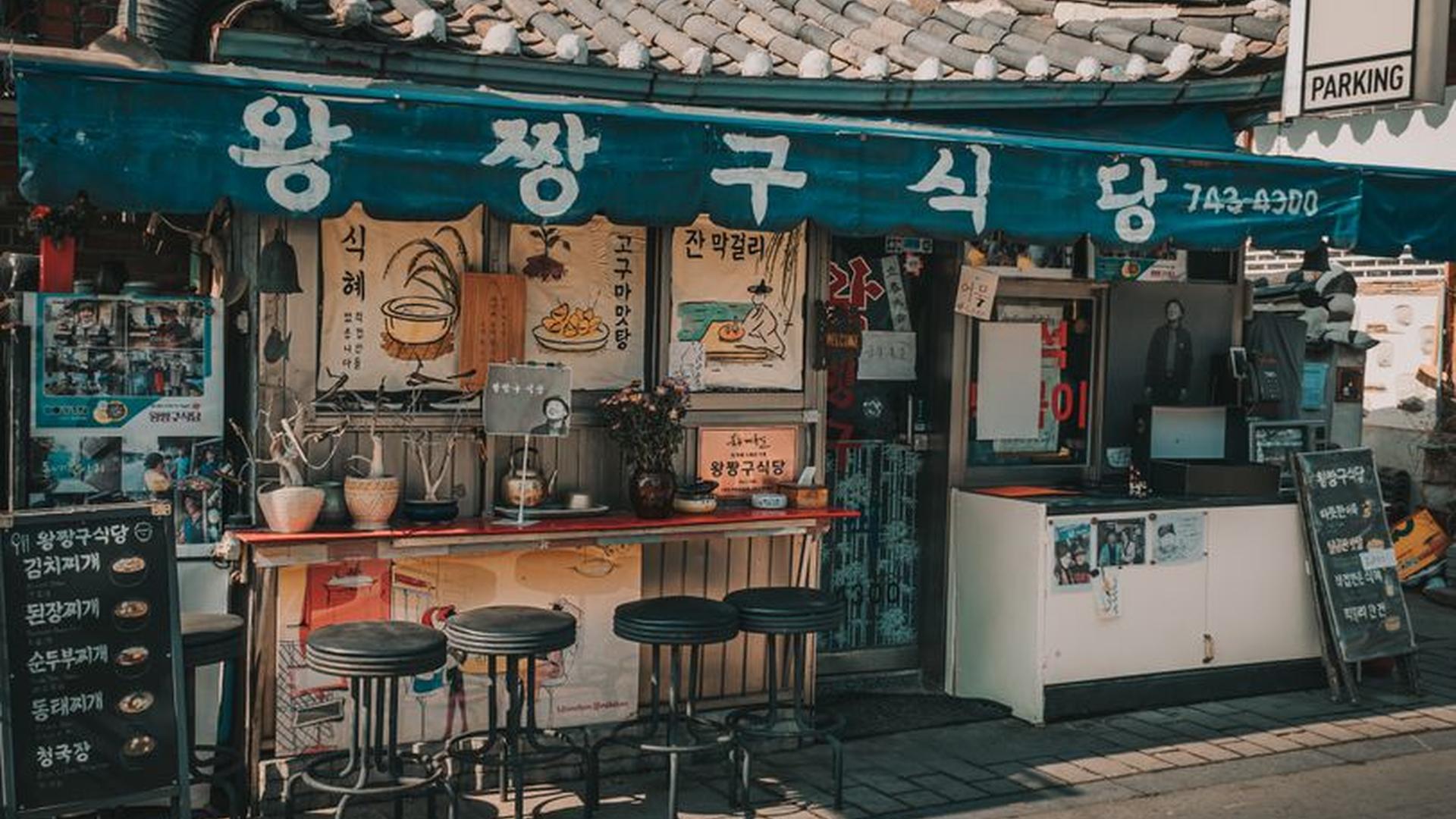
And location matters. If you see a restaurant tucked between two buildings, with just one chair outside, it’s likely a veteran’s spot. If the door opens into a tiny kitchen, and the host doesn’t ask for your name, you’re in. Don’t order the ‘popular’ dish. Ask for the one marked with an old pen, or the one on the back of the chalkboard. That’s the one they don’t advertise.
Seoul’s real eats aren’t about perfection. They’re about presence. About a grandmother serving tteokbokki with hands cracked from years of stirring. About the sound of a wooden spoon hitting a clay pot as the city sleeps. When you eat like a local, you’re not just tasting food. You’re tasting memories, moments, and the heartbeat of a city that never truly rests.