How to Reach Dubrovnik: Flights, Buses and Ferry Connections
Dubrovnik isn’t just a dreamy Mediterranean postcard—it’s a living, breathing city with cobblestone streets, ancient walls, and sea views that steal your breath. But getting there isn’t always as easy as hopping on a plane and stepping off at the airport. Whether you’re arriving from Croatia’s inland cities, neighboring Balkan countries, or across Europe, knowing your transport options makes all the difference. This guide breaks down how to reach Dubrovnik by flights, buses, and ferries—so your journey begins with confidence, not confusion.
Flights: Your Gateway to the City Walls
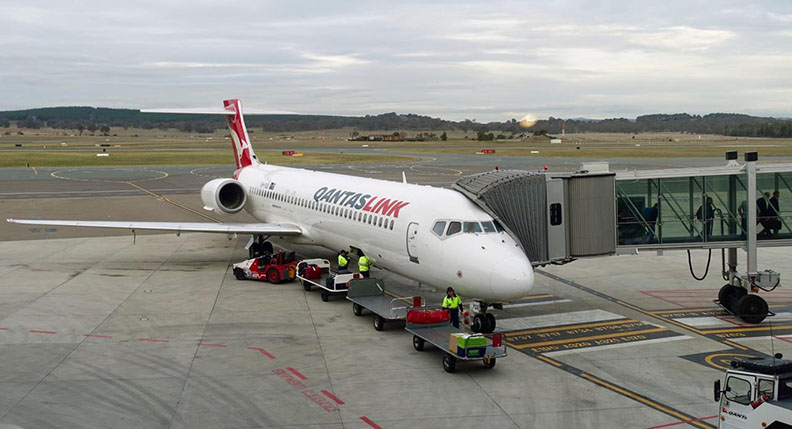
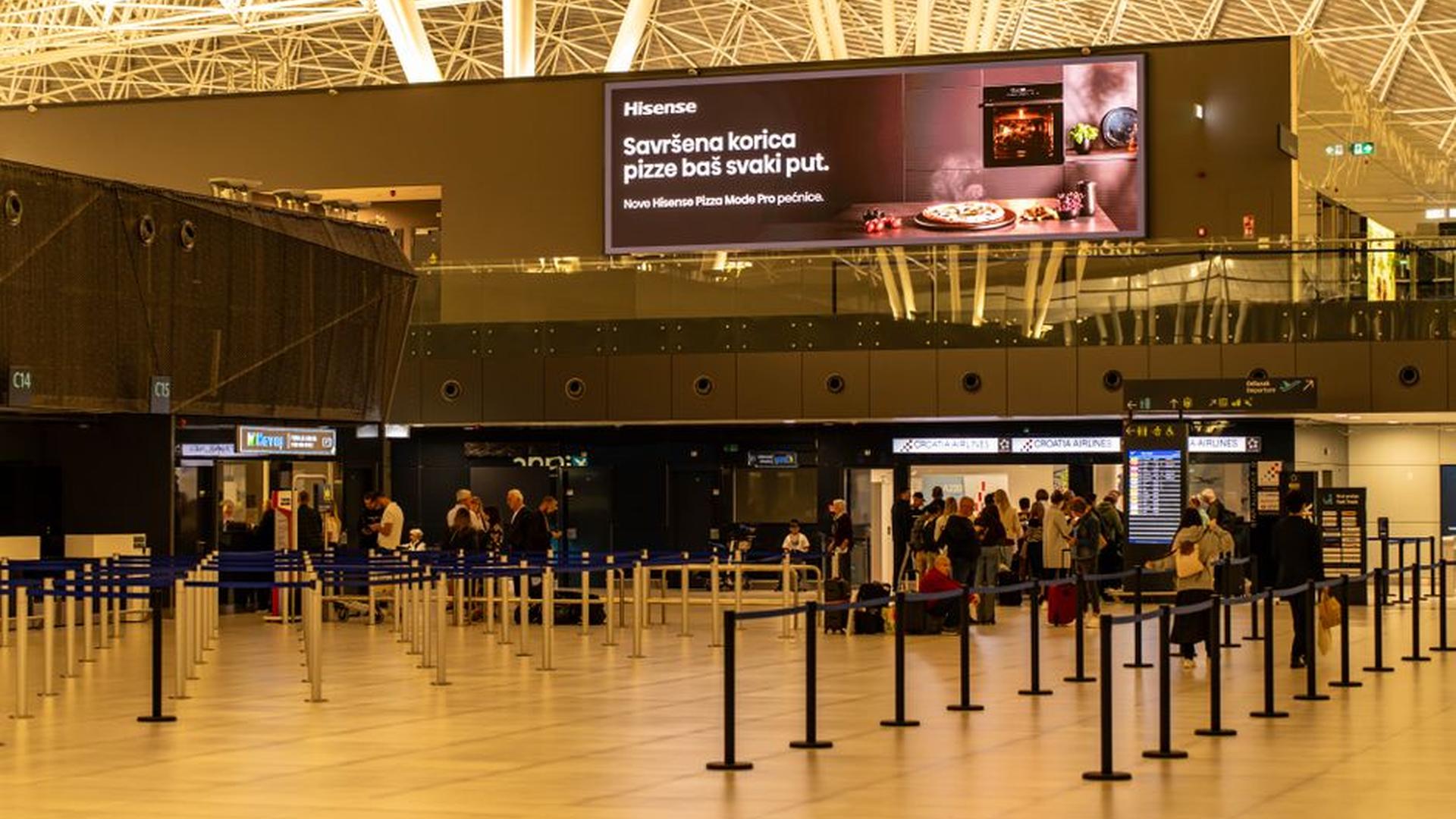
If you’re coming from far away—say, London, Frankfurt, or New York—flying straight into Dubrovnik’s Ružica Airport (DBV) is your fastest and often most convenient option. The airport, nestled between hills and the Adriatic Sea, is small but efficient, serving over 1.2 million passengers annually. While it’s not a major international hub, it’s well-connected, especially during summer months when seasonal flights from central Europe and Russia make frequent stops.
Most international flights arrive in the morning, giving you time to unwind and grab a coffee at one of the airport’s cozy cafes. From there, a shuttle bus to the city center takes just 20 minutes. Don’t confuse it with the city’s main bus station—this is a direct service, and it runs regularly, even on weekends. Keep your boarding pass handy, and if you’re not sure, ask at the information desk. They’ll point you to the right gate.
Pro tip: Book flights mid-week if possible. Tuesday and Wednesday flights often have lower fares, and you’ll avoid the weekend rush, especially in July and August when the city fills up like a souped-up sardine can.
By Bus: The Budget-Friendly, Scenic Route
For budget travelers and those who love to see the real Croatia, the bus is your soulmate. Croatian Railways (HRT) operates a network of intercity buses, and the route from Split to Dubrovnik is one of the most popular. The journey takes about 3.5 to 4 hours, depending on traffic and stops along the way.
Imagine rolling through the Dalmatian coast, past olive groves, limestone cliffs, and tiny fishing villages where old women wave from doorways, and children run barefoot along the roadside. The bus isn’t just a ride—it’s a slow travel experience. Some buses even have Wi-Fi and charging ports, though they vary in reliability, so pack a book, a playlist, or a tablet.
Tickets can be bought online via HRT’s official website or at the bus station in Split. Buy in advance during summer, or you might find yourself standing in a line for 45 minutes under the hot sun. The cost ranges from $10 to $15, and it’s often cheaper than a shuttle from the airport. At the stop in Dubrovnik, you’ll be dropped near the main bus station, just a 10-minute walk from the Old Town gates.
One traveler, Sara from Berlin, told us: “I took the bus from Split on a rainy Tuesday. No tourists, just quiet hills and distant church bells. It felt like the real Croatia, not the postcard version.” That’s the bus effect.
Ferries: The Romantic Route Across the Adriatic
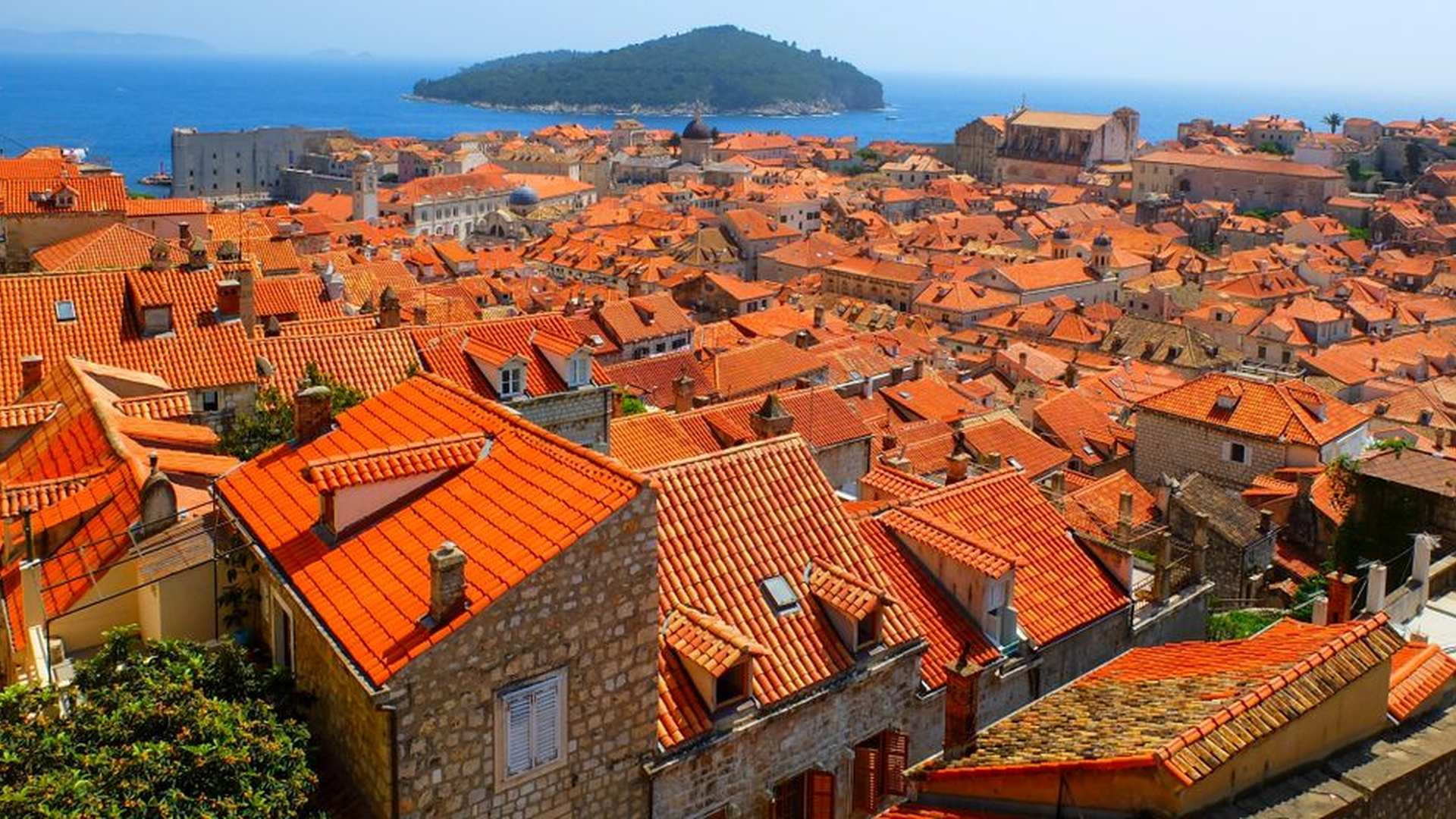
There’s something almost poetic about arriving in Dubrovnik by ferry. The sea breeze, the sound of waves, the sight of the city’s red rooftops emerging from a mist on the horizon—it’s a scene straight out of a movie.
Ferries run from major Adriatic ports like Split, Hvar, and Korčula. The most frequent service connects Split to Dubrovnik, departing daily from 8 a.m. and reaching Dubrovnik by mid-afternoon. The trip lasts about 5 hours, offering ample time to stretch, grab a snack, or sip on a cold beer at the onboard bar.
Ferries are more than transport—they’re a lifestyle. Many offer cabins, lounges with ocean views, and even dining experiences. The company Jadrolinija operates most routes, and tickets can be purchased online, at the port, or via travel agencies. Prices vary based on seat class and season, but a basic seat usually costs between $25 and $40.
You’ll dock at Dubrovnik’s city port, located just outside the Old Town walls. From there, a short walk or a 2-minute taxi ride will take you to the main entrance. Unlike buses or planes, you don’t need to transfer—your journey ends right at the entrance.
Traveler Marcus from Toronto shared, “I arrived by ferry at 3 p.m., the sun was setting, and the city was glowing. I walked up from the dock with my backpack and felt like I’d arrived not in a tourist town, but in a story I’d read about.”
Navigating the City: Once You’re There
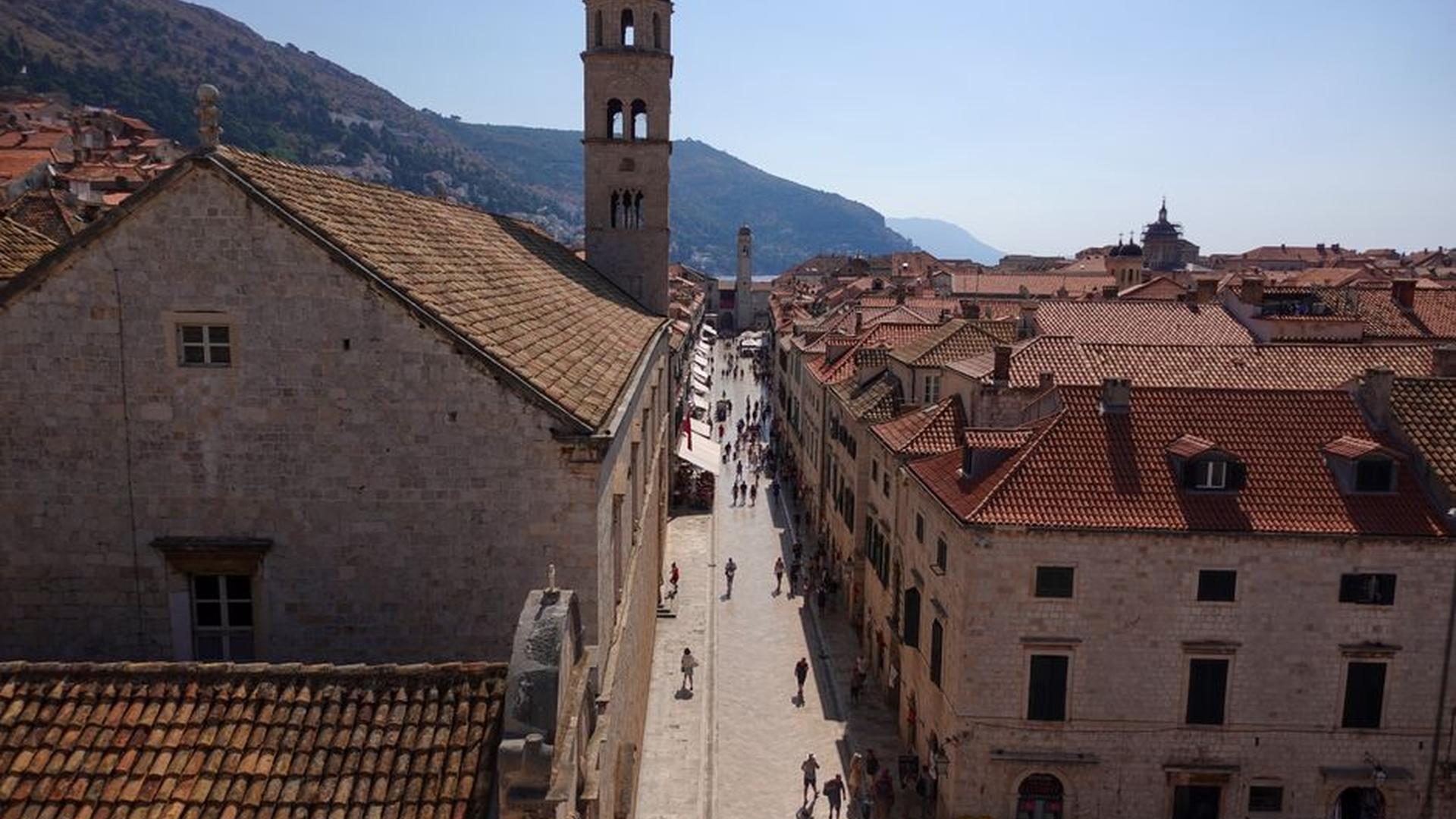
Getting to Dubrovnik is only half the battle. Once you’ve landed, the real challenge begins: moving around the city. The Old Town is a UNESCO World Heritage Site, and daily life unfolds within its 1.2-kilometer-long walls. Most areas are pedestrian-only, so taxis and cars aren’t allowed inside.
So how do you move? You walk. But not just any walking—this is city walking with purpose. You’ll pass centuries-old fountains, sun-drenched piazzas, and cafés that smell like espresso and sea salt. The city is compact, so even if you’re staying outside the walls, most sights are within a 15- to 20-minute walk.
For longer excursions—say, to the Lokrum Island or Mount Srd (home of the famous cable car)—a local shuttle runs from the city port to the main attractions. These cost around $3–$5 and are color-coded for clarity. Buses are not allowed in the Old Town, but you can park your car at the P1 or P2 lots outside the gates.
Final Tips for a Smooth Ride
1. Check your luggage policy before booking—some ferries and budget buses charge extra for oversized bags.
2. Always carry your passport and travel insurance documents. You’ll need them if you’re changing transport modes.
3. Download offline maps before you travel. The Old Town’s maze-like layout can be hard to navigate with GPS, especially indoors.
4. Avoid summer weekends. If you want to experience Dubrovnik like a local, not a crowd, plan for early September or mid-April.
5. Respect the city. The Old Town is not a museum—it’s a living place. Don’t block doorways, don’t litter, and keep your voice down at night.
Whether you’ve flown in on a crisp morning, arrived by bus with a view of olive trees, or glided in by ferry as the sun slipped behind the hills, your journey to Dubrovnik has already begun. The city doesn’t just welcome you—it invites you to stay, to wander, to breathe in the salt and history. And when you do, you’ll realize: getting here wasn’t the adventure. It was just the first step.