Avoid These Airport Mistakes on Your First Flight
Traveling by air for the first time can feel overwhelming—crowds, long lines, unfamiliar rules, and the pressure to get everything right. But with a little preparation, you can transform stress into confidence. This guide reveals the most common airport mistakes first-time travelers make, along with practical steps to avoid them. Whether you’re flying domestically or heading abroad, these tips will help you navigate the airport like a pro.
Arriving Too Late: The Rush That Breaks the Journey
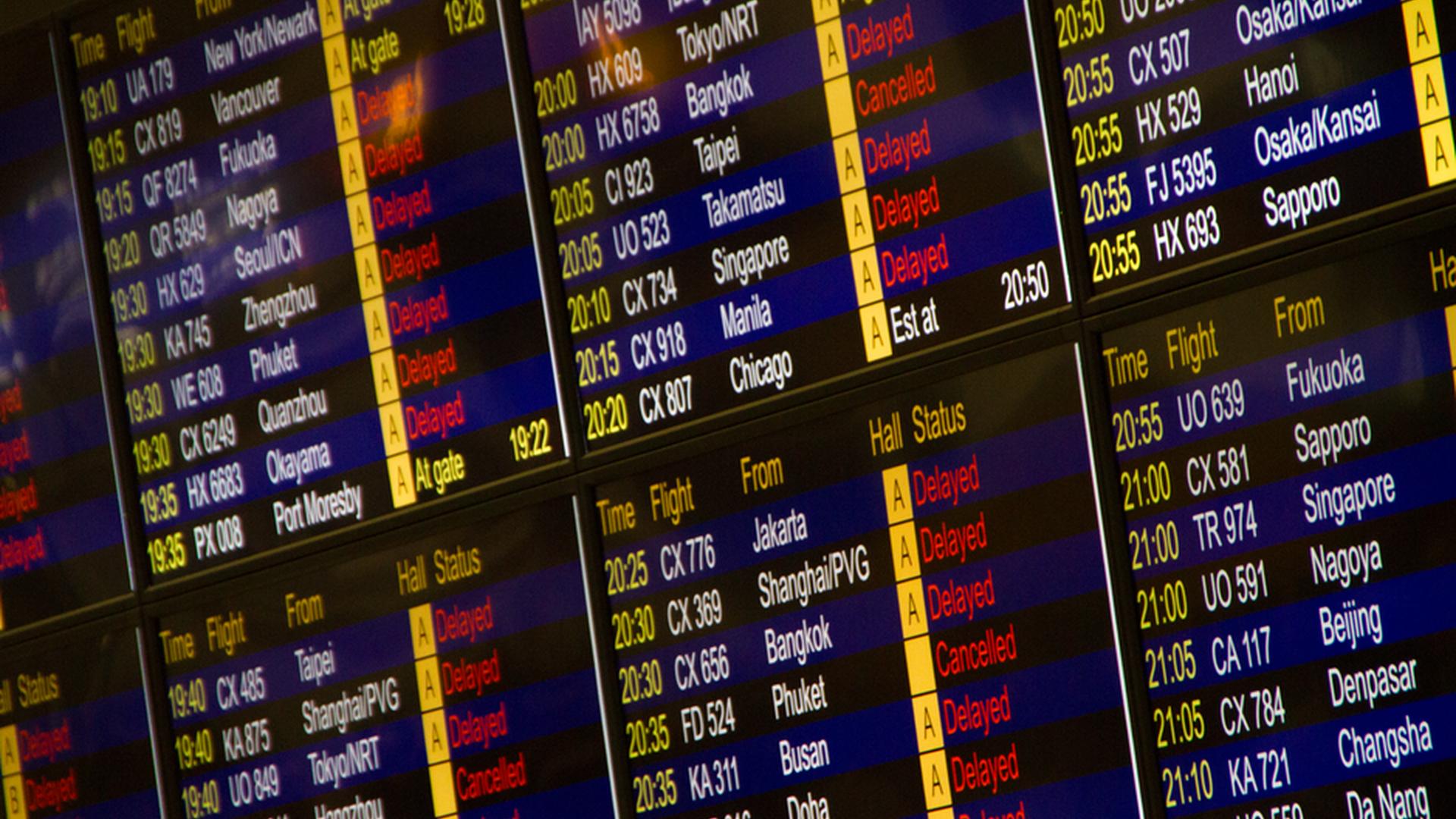
One of the biggest mistakes new flyers make? Showing up at the airport with only 45 minutes to spare before departure. By that point, you’re already late. For domestic flights, experts recommend arriving at least two hours before departure. For international flights, give yourself three hours. Why? Because delays aren’t just about boarding—they stem from check-in, security, and boarding passes.
Imagine this: You’ve bought your ticket, packed your essentials, and arrived at the airport with your carry-on and laptop. You’re confident—until you see a 45-minute line at check-in. Your bag isn’t checked, your boarding pass isn’t printed, and you’re scrambling to find the right counter. This isn’t just inconvenient—it can cost you a seat, especially on a full flight.
A real example from John, a 28-year-old first-time flyer from Chicago, illustrates the point. He arrived 1 hour and 15 minutes before his flight to Miami. By the time he reached the counter, his flight was already boarding. He missed his flight and had to rebook—costing him $200 and a full day of travel disruption.
The fix? Always plan for the worst. Check your airline’s recommended arrival time, and if you’re nervous, add 30 extra minutes. Use your airline’s mobile app to check in online and skip the line. Time isn’t just a luxury—it’s a necessity.
Ignoring TSA Rules: The Security Line Trap
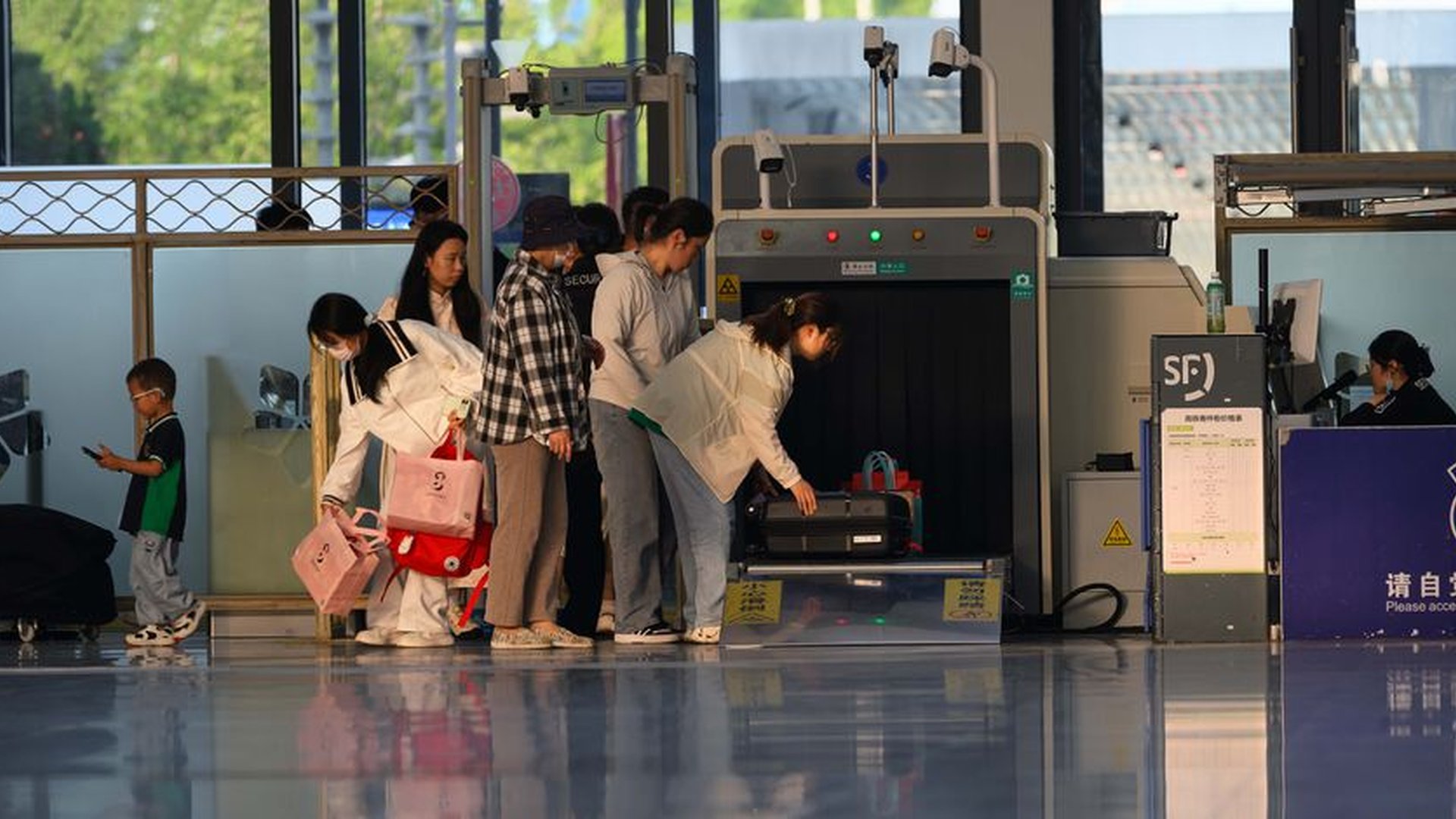
Another common error: walking into the TSA checkpoint with a bag full of prohibited items. You might think, “I’ve seen it on TV—just put my laptop in a bin.” But you’d be surprised how many travelers, especially first-timers, overlook basic rules.
What’s allowed? Liquids under 3.4 ounces (100 ml), packed in a clear quart-sized bag. Electronics over 16 ounces, like laptops and tablets, must go in a separate bin. But what about your toothbrush? Your medication? They’re allowed—but you must declare them if they’re not in the clear bag.
One traveler, Sarah from Portland, packed a small travel-sized detergent in her bag. At the checkpoint, an agent asked to inspect it. She didn’t have the original packaging, and the liquid didn’t fit TSA’s 3-1-1 rule. The bottle was confiscated, and she had to repurchase it later at a terminal shop—$12 more than it cost at home.
To avoid such surprises, always pack liquids in a clear bag. Keep your electronics in a separate bin. Put on your shoes only after reaching the security checkpoint. And remember: even if your bag is empty, you may still be subject to a manual search. Stay calm, polite, and follow instructions.
Boarding Without a Boarding Pass: The Gate Access Puzzle
Many first-time flyers don’t realize they need a boarding pass to board the plane. They assume that one piece of paper—your printed ticket—will be enough. Wrong.
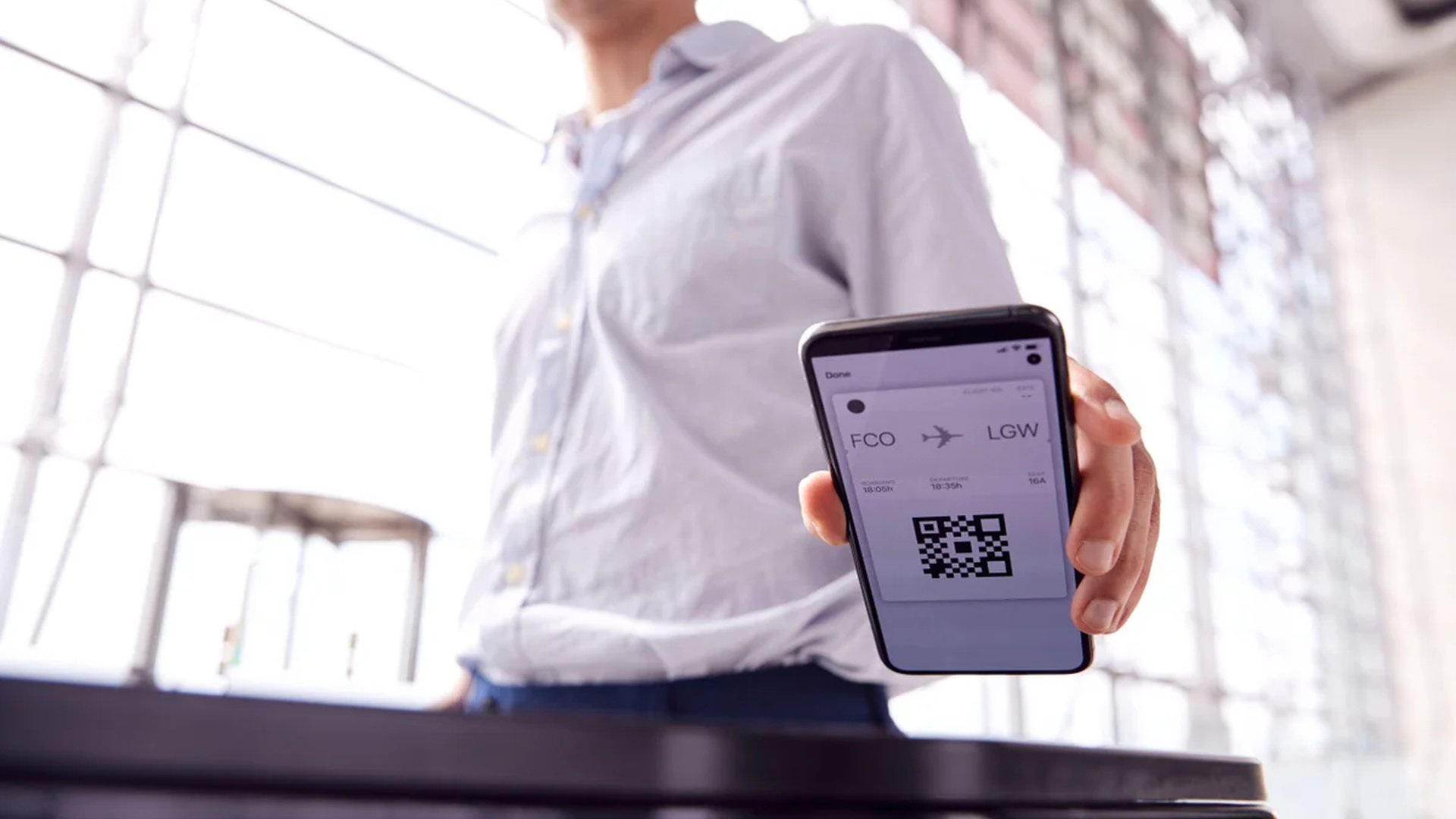
Your boarding pass isn’t just a ticket. It includes the gate number, seat, flight status, and boarding group. Without it, you’re blocked at the gate, even if you have a seat on the plane.
At Los Angeles International Airport, a passenger named James from Seattle showed up at Gate C12 with only his phone showing a digital ticket. The agent said, “Sir, we need your boarding pass.” He didn’t have it. His boarding group was 4, and the process had already started. He was told to wait at the back of the line or risk missing the flight.
How to prevent this? Always check in online at least 24 hours before departure. Download your boarding pass to your phone or print it at home. If you’re using a mobile app, keep the pass on your phone’s home screen. A quick glance should show your gate and departure time.
Also, know your boarding group. Groups A, B, C, and D board in order. If you’re in Group D and your flight is full, you may not get on at all.
Forgetting Your ID: The Most Common Oversight
Surprisingly, one of the top reasons first-time flyers are denied boarding is not having a valid government-issued ID. You’re not allowed to board a U.S. flight without a photo ID.
What counts? A driver’s license, passport, military ID, or state-issued ID card. A school ID, a library card, or a birth certificate doesn’t qualify.
A 32-year-old woman from Denver entered the airport with her backpack, a pair of jeans, and a printed ticket. At the security checkpoint, an agent asked for ID. She pulled out her wallet—no photo ID. She couldn’t board. Her flight departed on time. She spent hours on hold with her airline, finally getting a refund. But the trip was ruined.
The solution? Always carry your ID in your front pocket or a secure inner pocket. Use a wallet with a photo slot. If you’re flying internationally, always carry your passport. Some airlines now accept mobile IDs via digital wallets like Apple Wallet. Check your airline’s policy first.
Missing the Connection: The Silent Travel Killer
For many first-time travelers, a connecting flight is a mystery. They book a ticket from New York to Paris via London. They land, see the next flight to Paris, and think, “I’ve got time.” But they don’t realize that 45 minutes is not enough for a connection—especially if the first flight is delayed.
In London’s Heathrow Airport, a young traveler from Boston arrived 30 minutes late due to weather delays. He had a 75-minute connection to Paris. He sprinted through the terminal, but the gate had already closed. The flight was full. He was stranded—overnight—with a $300 fee to rebook.
To prevent this, know your connection time. Most airlines recommend at least 90 minutes for domestic-to-domestic, 2 hours for international connections. Use tools like Google Flights or airline apps to monitor delays. If your first flight is delayed, contact the airline immediately—don’t assume you’ll make it.
If you’re flying with a major airline, ask for a rebooking if your connection is at risk. Many offer free rerouting under certain conditions.
Avoiding airport mistakes doesn’t mean you need to be perfect. It means you need to be prepared. With the right mindset and a few simple rules, your first flight can be smooth, stress-free, and even enjoyable. Remember: the airport isn’t a maze—you just need a map, a little time, and a calm mind to get through it.
Next time you step into the terminal, think not of fear, but of adventure. You’re not just traveling—you’re exploring the world, one smart choice at a time.