Wanderlands Where Time Slows Down
There’s a certain kind of beauty that doesn’t shout. It doesn’t flash in neon or demand your attention with a thousand notifications. Instead, it waits—beneath a pine canopy, beside a mountain stream, in the hush between sunrise and morning light. These are the wanderlands where time slows down, not because the world has stopped, but because you finally learn how to walk in it.
For travelers seeking more than just a view, these are the places where slow travel isn’t a trend—it’s a way of being. In a world that rewards speed, these destinations remind us that the most meaningful journeys often happen at the pace of your breath, one step at a time.
The Stillness of the Dolomites
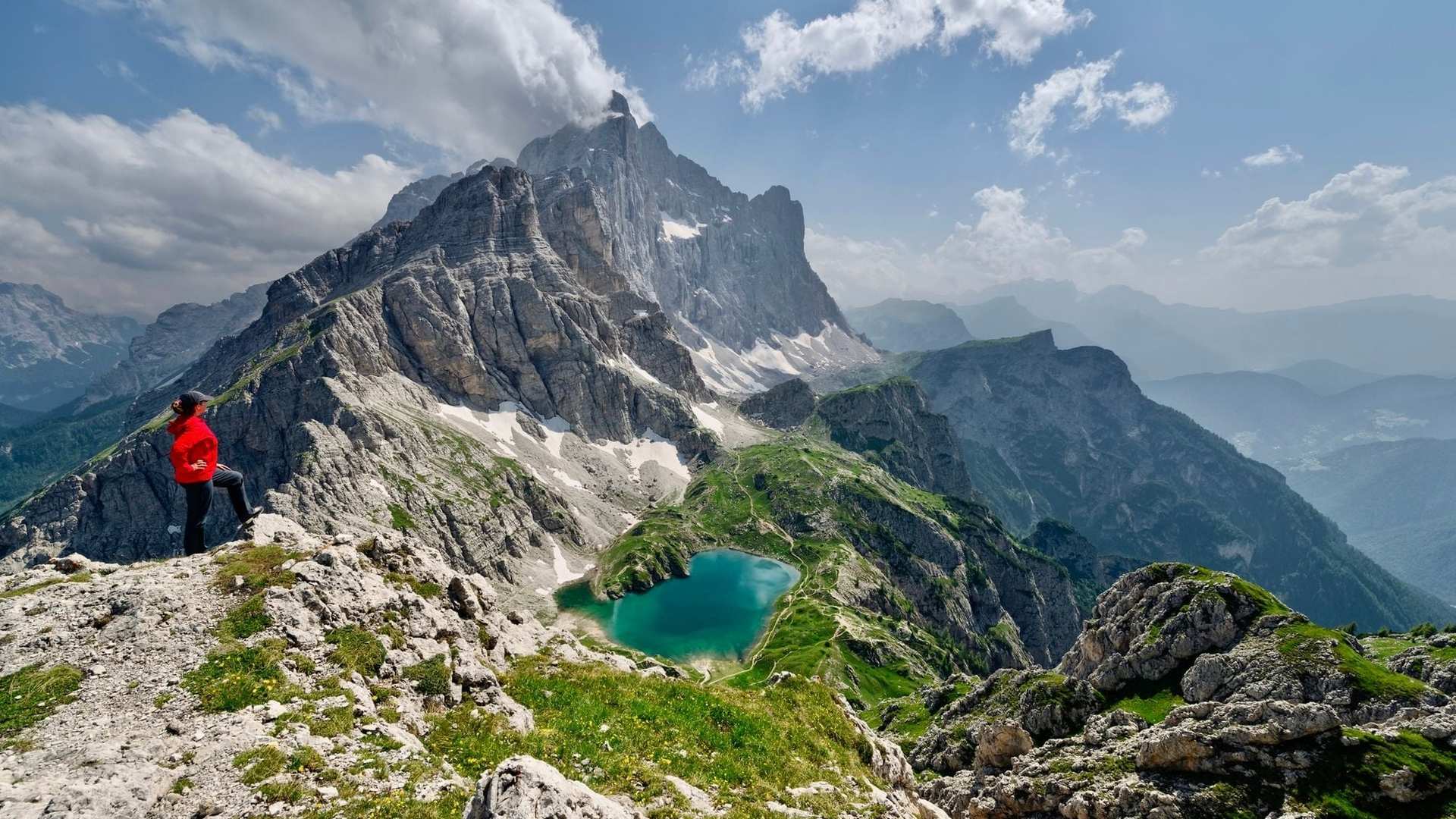
In northeastern Italy, the Dolomites rise like ancient sentinels carved from stone and shadow. At 7,000 feet, the sky wears a different color here—crisp, pale blue, shot through with alpine light that feels almost holy. Hike the Alta Via 1 trail, and you don’t just walk through mountains. You walk through time.
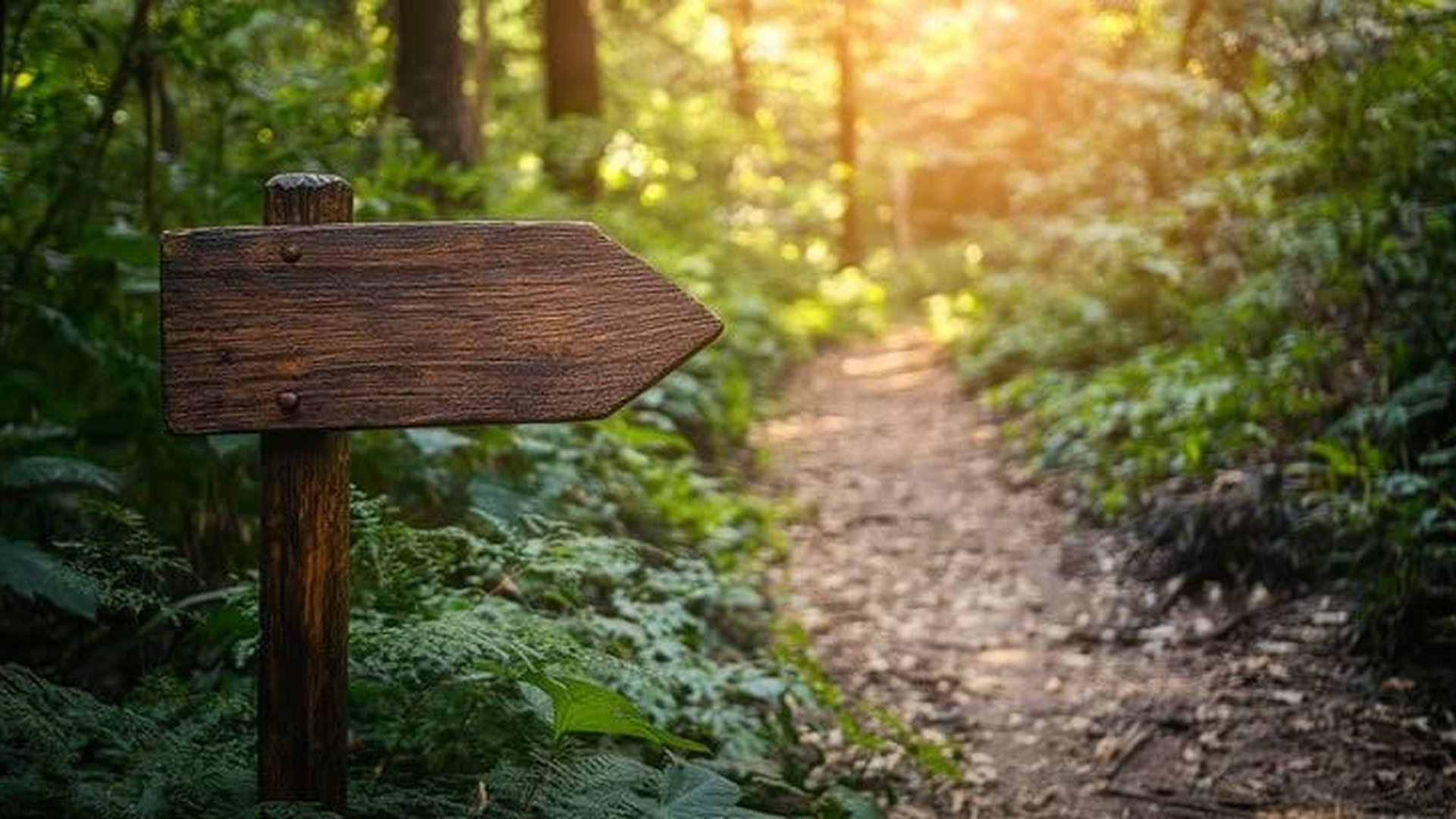
The village of Canazei, tucked below the Tre Cime di Lavaredo, is a place where life moves at the rhythm of pasture seasons, church bells, and the sound of a goat’s bell jingling through the fog. You’ll pass small family-run rifugi—wooden huts with stone walls and iron doors that smell of firewood and warm bread. One afternoon, you might pause at a wooden bench overlooking a valley so quiet, the only sound is snow settling on a pine branch.
This is not a place to rush. You don’t need a map to find peace here. It’s in the way the air tastes colder at dawn, in the way a local farmer nods at you from his field with no words. The trail leads to a cliffside viewpoint. You sit. You breathe. You realize: you’ve been here before—in dreams. No photograph can capture this. But you can carry it.
Where Mountains Breathe
Not all wanderlands are far away. Sometimes, they’re exactly where you are—once you learn to still your mind and open your eyes.
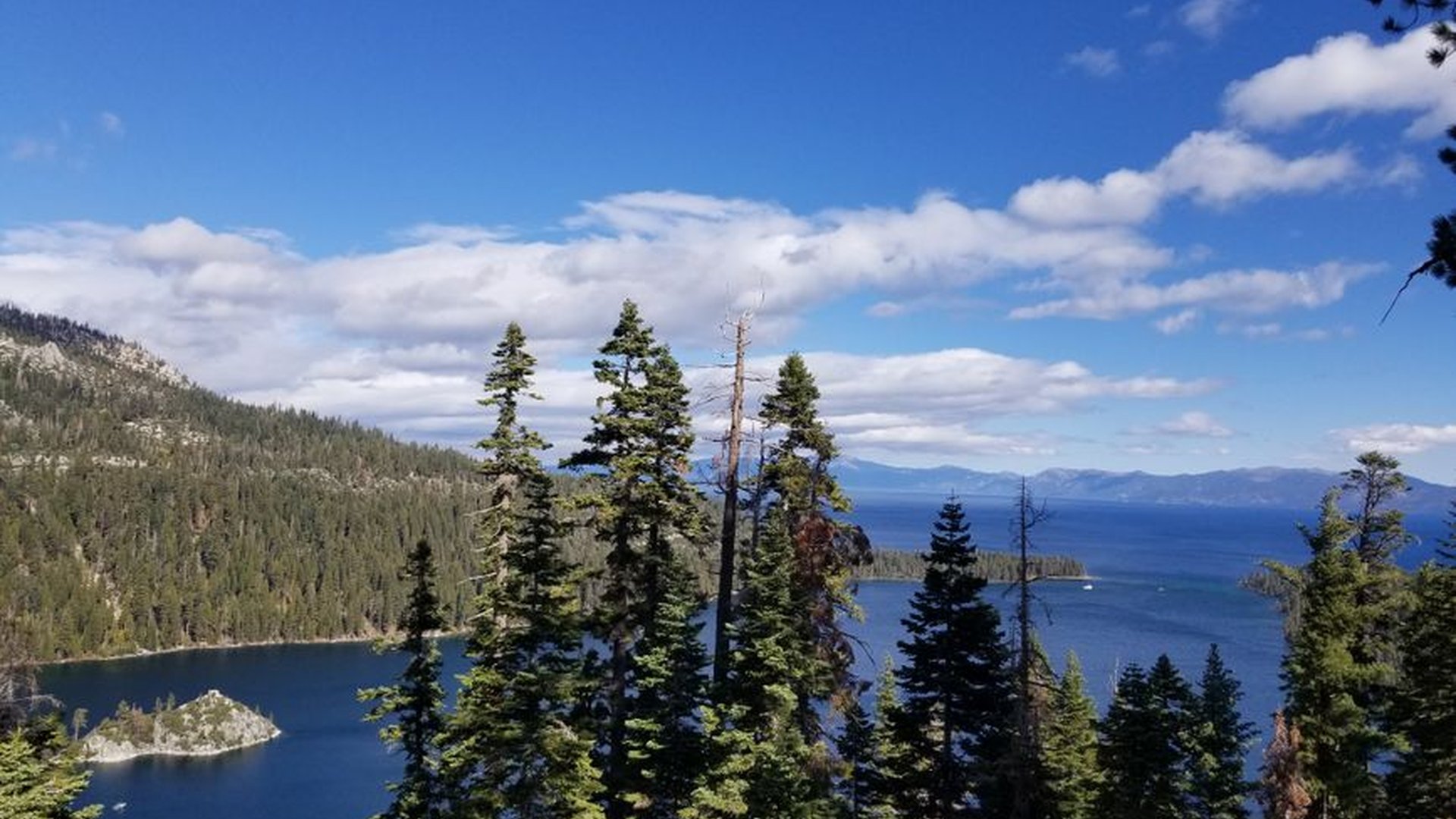
Consider the High Sierra in eastern California. You don’t need to reach the top of Mount Whitney to feel the shift. Simply walk the trail toward Lake Tahoe’s Emerald Bay, where granite cliffs brush the water’s edge and the trees lean into the wind like old friends sharing a secret. The air here is dry and clean, with a tinge of pine and cold stone.
At 10 a.m., a hiker, backpack worn thin, sits on a mossy rock. He doesn’t check his phone. Instead, he watches a marmot dart across a dirt path, then disappear into a burrow. He laughs softly. The moment lasts long enough to feel real.
This is the magic of slow travel: not the height of the peak, but the pause before you climb it. Not the shareable photo, but the quiet before you take it. In the High Sierra, you’re not escaping the world—you’re returning to it. To the rhythm of your heartbeat, the cool touch of a rock, the way sunlight filters through a cleft in the trees.
When the Mountains Become a Mindset
True slow travel isn’t just about location. It’s a choice. A commitment to not just see the world, but to feel it—through your hands, your ears, your curiosity.
A few years ago, a solo traveler named Elena set out from a small town in northern Spain to walk the Camino de Santiago. She wasn’t religious. She wasn’t even sure why she started. But she began walking—15 miles a day, no GPS, just old maps and locals who pointed her toward the next village.
She slept on straw mats in crumbling monasteries. A farmer gave her a potato and a smile. A woman in a village square sang a folk song from the 1800s, her voice cracked with age but full of memory. These weren’t highlights on a travel app. They were not meant to be recorded. They were meant to be felt, to settle into your bones.
By the time she reached Santiago, she wasn’t changed by the distance. She was changed by the hours. By the silence between steps. By the way her body learned to carry not just gear, but stillness.
The Camino didn’t give her a destination. It gave her a rhythm. And that rhythm, once learned, becomes your compass. It’s not something you can schedule. It’s something you let in.
How to Begin Your Slow Journey
You don’t need to leave the country. You don’t need expensive gear. But you do need to choose—not the fastest trail, not the most famous viewpoint—but the one that asks you to slow down.
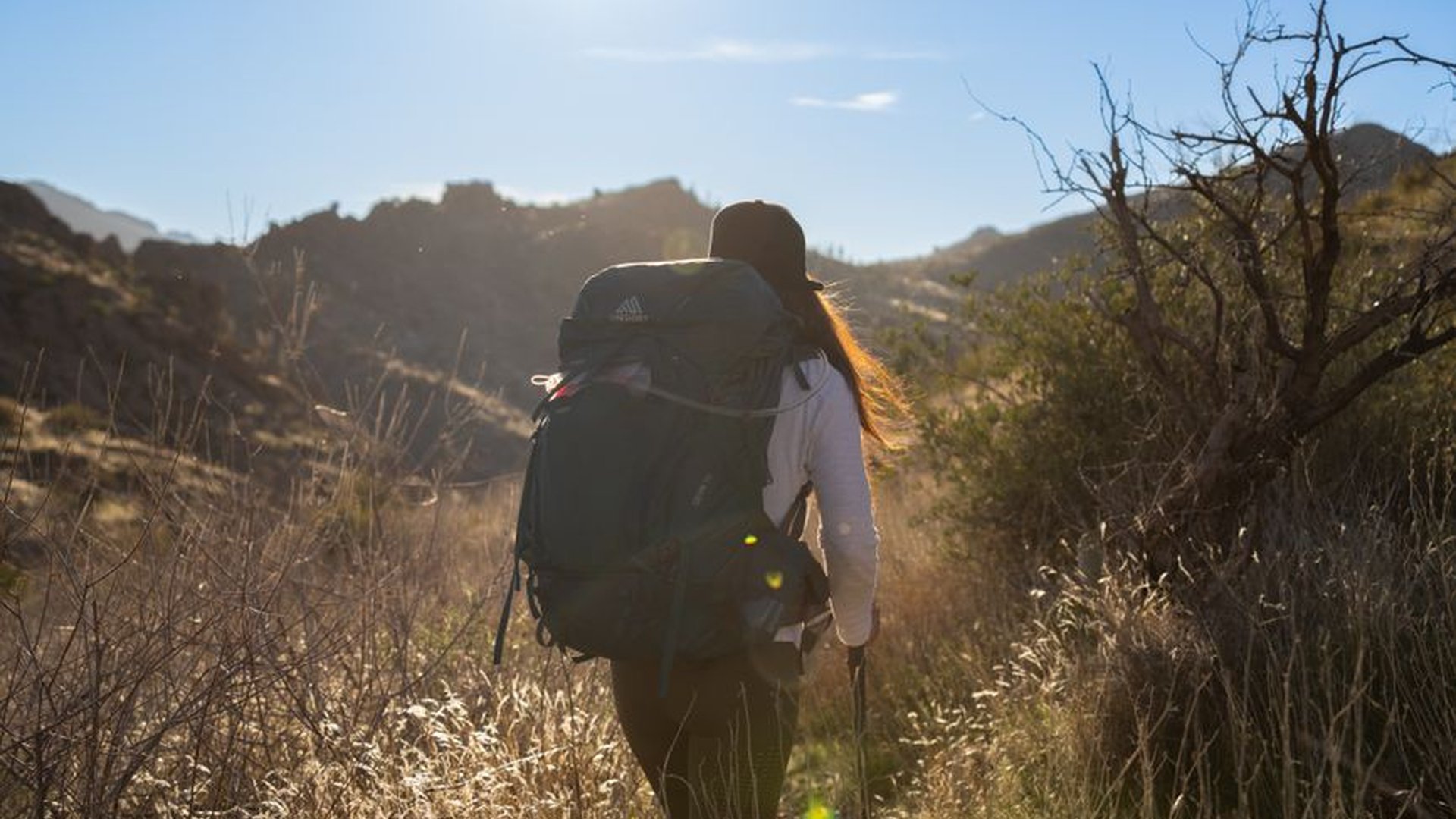
Start small. Pick a path no more than three miles long. Leave your phone in your pack, not your pocket. Let your ears be the first to guide you. Listen for wind in the trees, birds switching songs, the soft crunch of your boots on gravel.
Carry only what you need. A water bottle, a snack, a notebook. Write one sentence each hour: What do I hear? What do I feel? What am I grateful for right now?
When you pause—really pause—on a trail, look not for the grand view. Look for the small thing: a spiderweb glistening with dew, a deer’s hoof print in the mud, the way sunlight paints the inside of a hollow tree.
These aren’t distractions. They’re the real journey. The proof that you’re not just moving through the world. You’re becoming part of it.
Wanderlands Where Time Slows Down aren’t just places. They’re possibilities. They’re invitations to live more deeply, to walk not just to get somewhere—but to be somewhere.
Next time you lace up your boots, don’t think of the end of the trail. Think of the first step. Of the air, cool and still. Of the thought: I’m here. I’m not late. I’m not in a hurry. I’m exactly where I need to be.