The Sweet Heart of Belgium
Belgium isn’t just a country of cobbled streets, historic cathedrals, and beer halls—though those are part of its charm. It’s also a nation that takes dessert seriously, far beyond the simple notion of sugar and butter. In every region, from the bustling streets of Brussels to the quiet villages of Wallonia, you’ll find a dessert culture deeply rooted in tradition, craftsmanship, and a love for flavor. For travelers who’ve hiked through the Ardennes countryside or wandered through the cobbled alleys of Bruges, a stop at a local patisserie isn’t just a treat—it’s a reward. The moment you step into a traditional Belgian bakery, the air fills with the warm scent of vanilla, caramelized sugar, and freshly baked dough. It’s not just food. It’s a memory in motion.
Waffles: More Than Just Breakfast
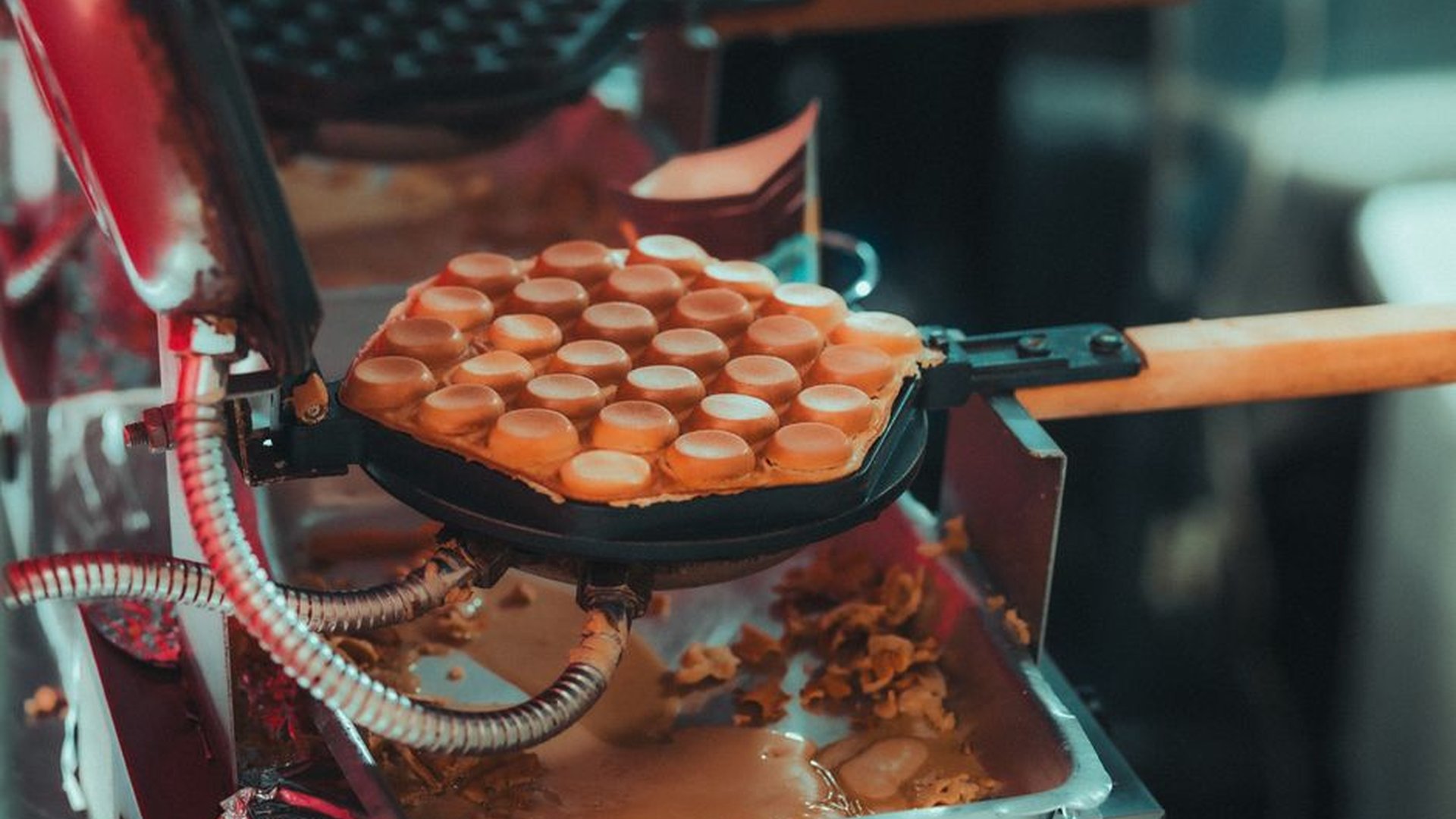
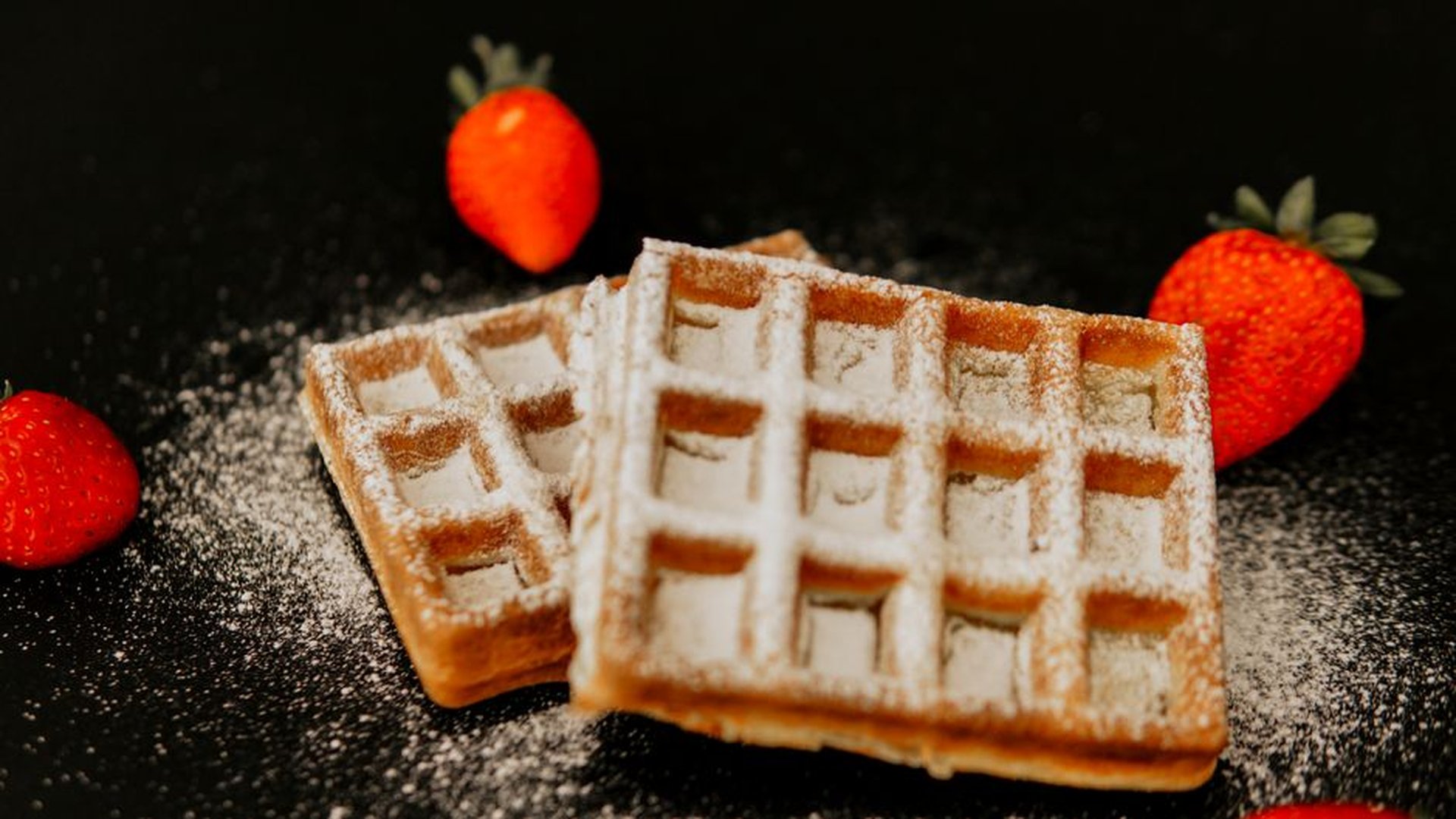
When most people think of waffles, they imagine something light and fluffy from a diner in the Midwest. But in Belgium, waffles are an art form. And the real story begins in the heart of Brussels, where the waffle is not just served—it’s celebrated. The Liege waffle, with its dense texture and pearl sugar embedded into the crisp edges, is a favorite among locals and tourists alike. Take a bite and feel the crunch, then the soft, chewy center giving way to caramelized sugar crystals. It’s not a dessert to rush through. It’s meant to be savored, often with a dusting of powdered sugar or a drizzle of warm chocolate.
But it’s not just Liege. The Brussels waffle, typically lighter and flakier, is often served with fresh strawberries or whipped cream. Old-world bakeries in the city’s Grand Place still use wood-fired ovens to make them—each batch is a small ritual. One such shop, known simply as “Waffle House on Place du Grand Sablon,” has been serving the same recipe since 1923. Locals say the secret isn’t the dough, but the way the baker presses the waffle iron with his right hand—his grandmother taught him, and he does it the same way every day.
Chocolate: An Unspoken Language
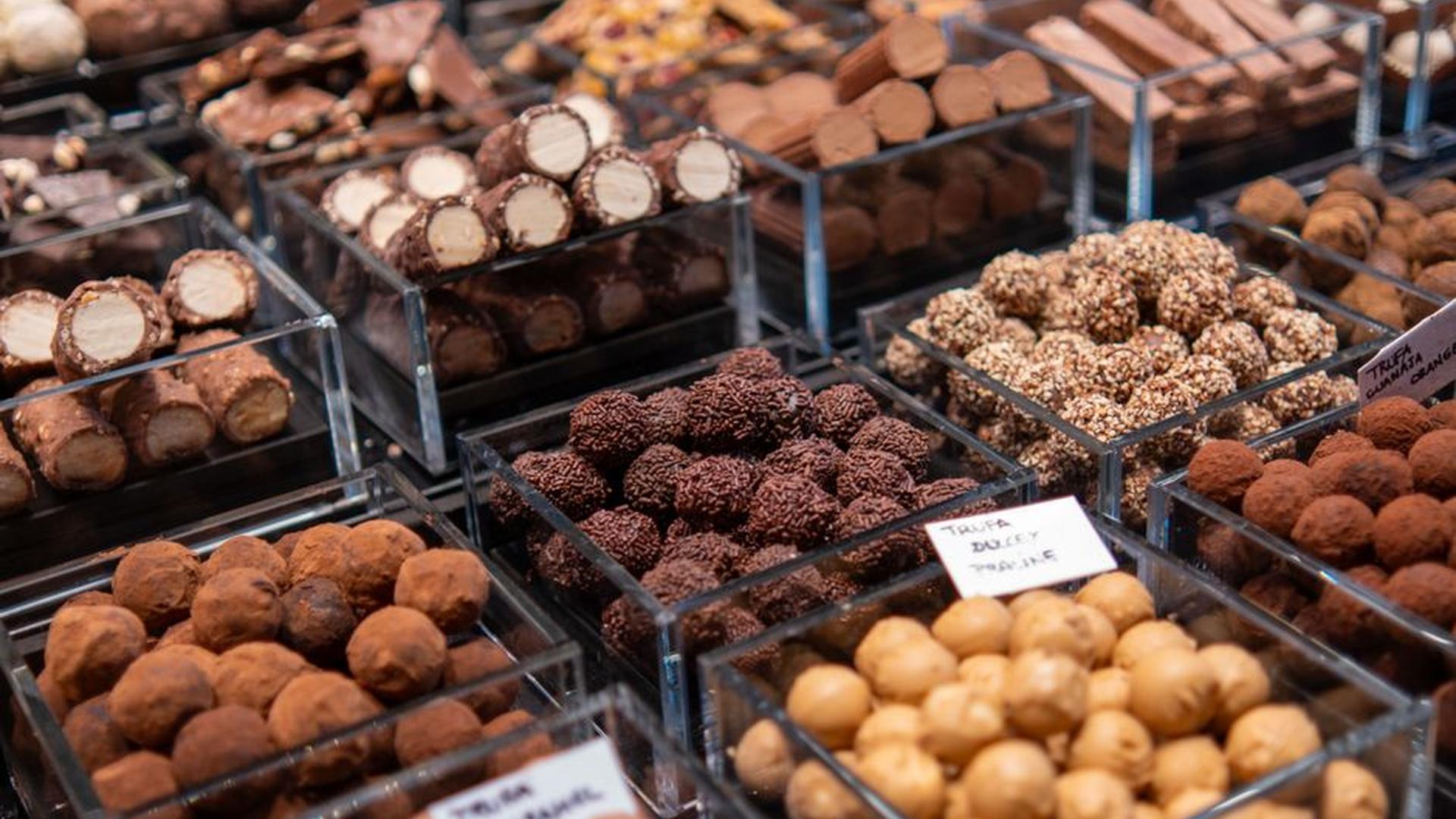
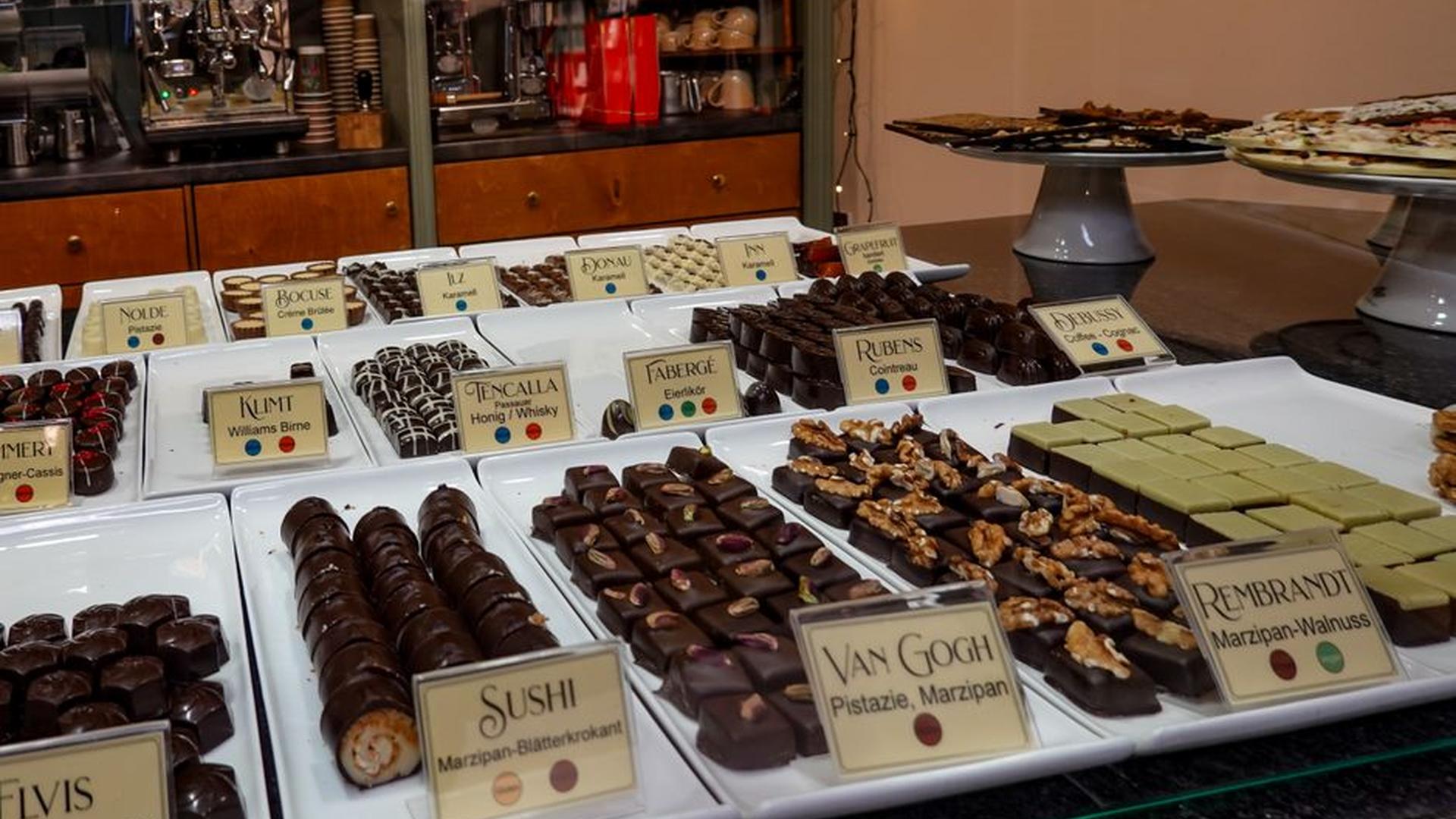
If waffles are the soul of Belgian desserts, chocolate is its heartbeat. And nowhere in the world does chocolate feel more personal, more intimate, than in Belgium. The country produces over 160,000 tons of chocolate annually, but more than volume, it’s about quality. You don’t just eat Belgian chocolate—you experience it. It melts on your tongue with a smoothness that feels almost emotional.
The true artistry lies in the hands of the chocolatiers. Famous names like Pierre Marcolini, Godiva, and Dominique Persoone aren’t just brands—they’re master artisans. At Pierre Marcolini’s flagship shop in Brussels, you can watch as a 70-year-old craftsman hand-pours each piece, using a 100-year-old recipe passed down from his grandfather. The chocolate isn’t just made; it’s composed. The thin shell, the delicate filling—sometimes white chocolate with a hint of wild mint, or dark chocolate layered with crushed hazelnut and a touch of orange zest—each bite tells a story.
And it’s not just the taste. The packaging is part of the culture. A box of 12 truffles isn’t just a container—it’s a gift, a token, a symbol of care. Many tourists don’t believe it at first, but the clink of a chocolate box being closed in a Parisian hotel room feels different in Brussels. It’s not the size. It’s the weight. The precision. The intention.
The Hidden Delights: Beyond the Famous
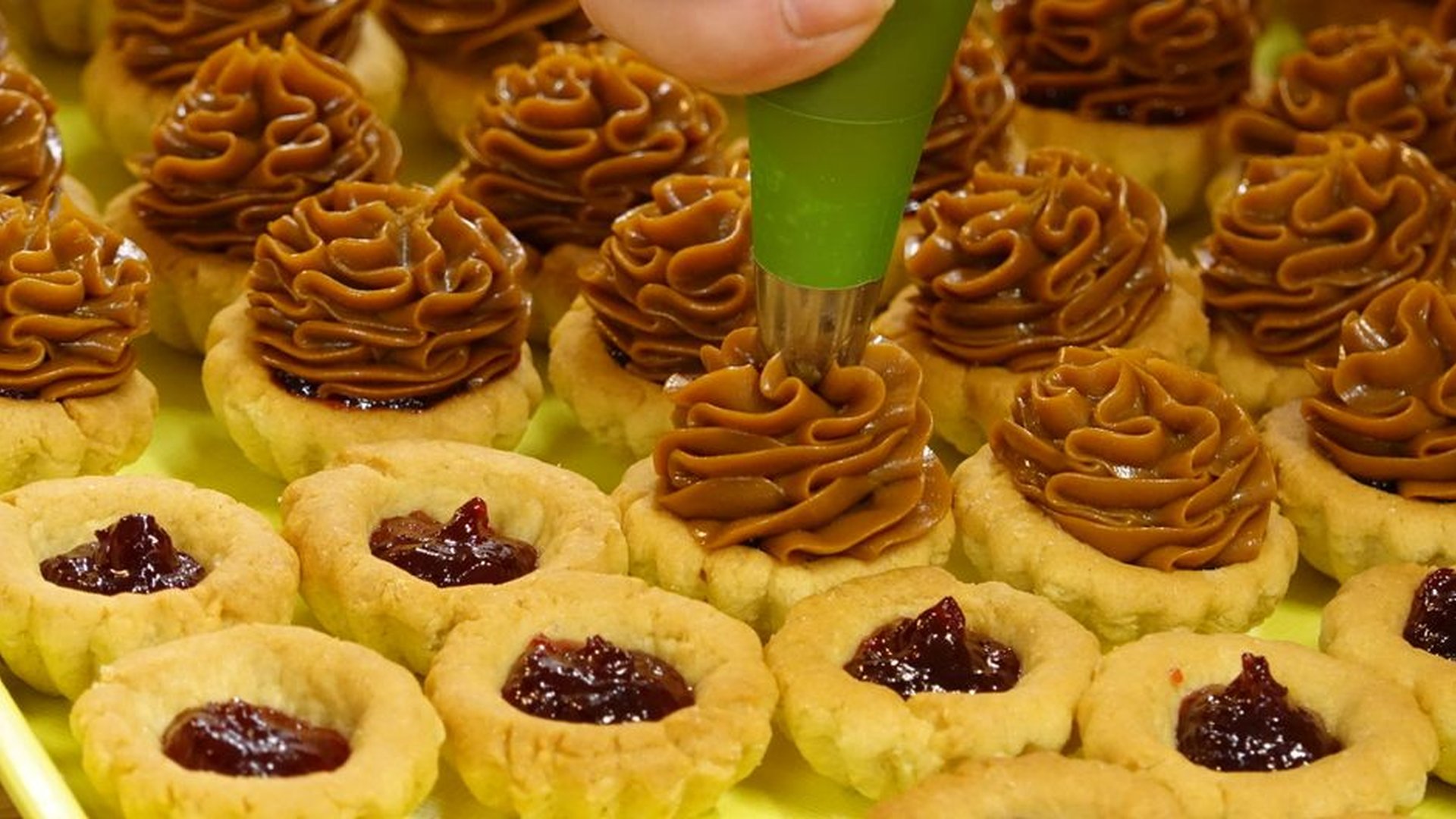
While waffles and chocolate dominate the spotlight, Belgium’s dessert culture runs deeper. Take the “tarte au sucre,” a simple but profound dessert from the town of Huy. This caramel tart, made with only butter, sugar, eggs, and a touch of vanilla, has been on local tables for over 200 years. There’s no frill, no dramatic presentation. Just a golden-brown tart, cracked open like a secret. When it’s served warm with a splash of cream, you understand why locals say, “It’s not dessert. It’s home.”
Or consider the “amandine,” a delicate almond pastry from the Ardennes. It’s shaped like a small crescent, dusted with powdered sugar and filled with a creamy almond paste. You might find it in a roadside kiosk near the forest trails of the Sart-Tilman valley. Hikers often stop there after a long climb up Mont de la Croix, not just for the snack, but for the moment—sitting on a wooden bench, looking over the rolling hills, sipping a hot chocolate from a paper cup, and eating a treat made by someone who’s lived in that valley for 50 years.
Why This Matters for Travelers
Exploring Belgium’s dessert culture isn’t just about indulgence. It’s about connection. When you taste a Liege waffle made with the same recipe for a century, you’re not just eating—it’s a silent conversation with history. The chocolate from Marcolini’s shop doesn’t just taste rich; it feels like a promise—of care, of tradition, of craft.
This depth is what makes visiting these places so meaningful. It’s not about ticking off a checklist. It’s about slowing down. About finding a small shop tucked behind a church in the old town of Namur, where the owner remembers your name from last year. About the quiet pride in a baker’s eyes when he tells you, “This is how we’ve made it since the war.”
And for hikers, it’s the perfect reward. After a long day on the trail, nothing satisfies like a warm waffle with melted chocolate, eaten in the fading light of a Brussels afternoon. It’s more than a meal. It’s a quiet pause in the rhythm of travel. It’s a moment where sweetness isn’t just flavor—it’s meaning.