Why Hiking Green Matters
Every time you lace up your boots and step onto a trail, you’re not just hiking—you’re leaving a footprint, both literal and environmental. With over 60 million Americans hitting the trails each year, the collective impact of our outdoor habits is undeniable. The beauty of nature isn’t guaranteed; it depends on how we treat it. That’s where hiking green comes in—not as a trend, but as a responsibility. Every bag of trash you pack out, every piece of gear chosen for durability, and every trail rule you follow contributes to a healthier planet. This isn’t about being perfect; it’s about being present and intentional. When you hike green, you’re not just enjoying a sunrise over a mountain ridge—you’re helping ensure that future generations can do the same.
Pack Out What You Pack In
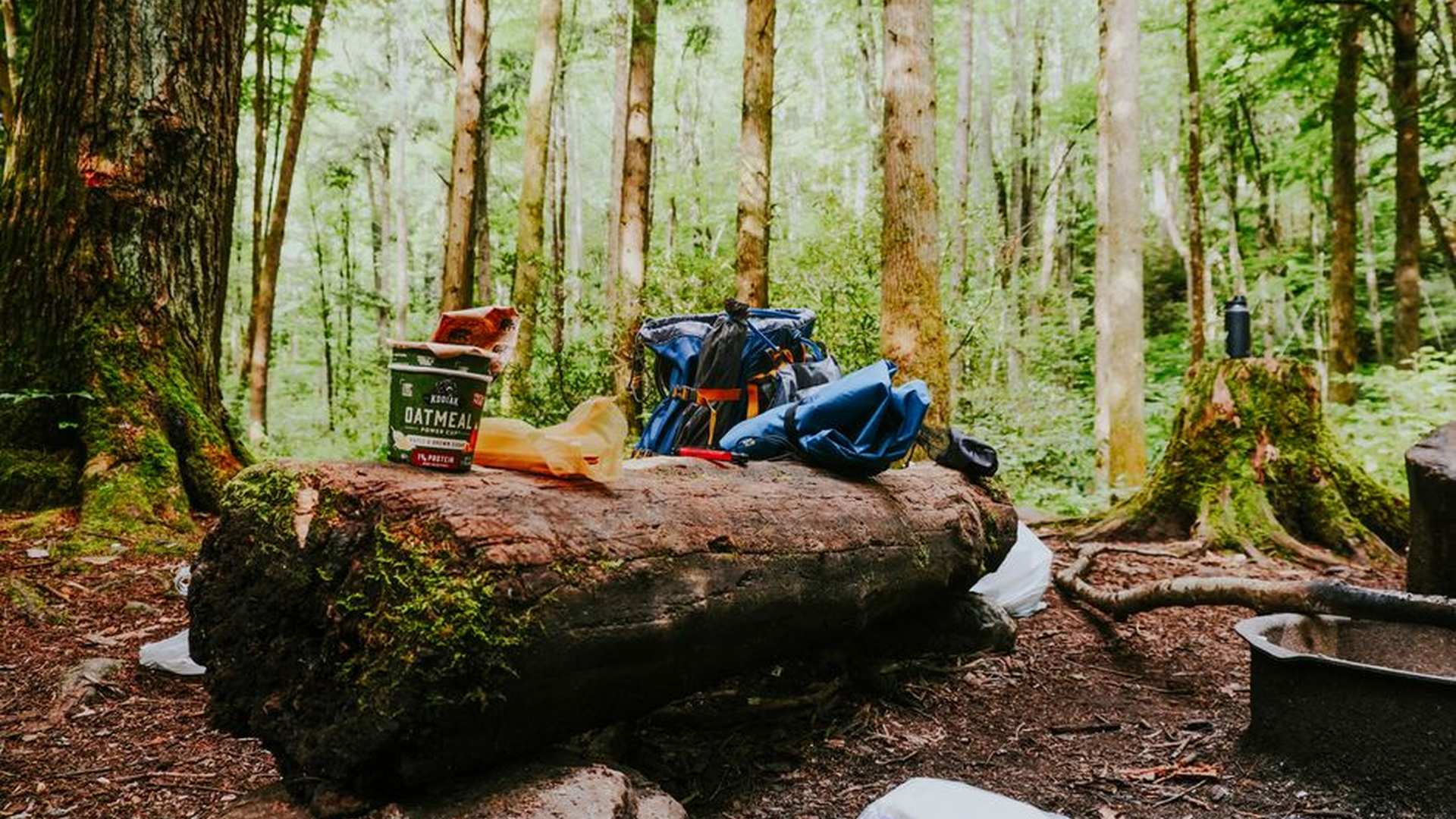
The most basic rule of eco-friendly hiking—yet one most often ignored—is to remove everything you bring. This means not just your trash, but also your food waste, used toilet paper, and even biodegradable items like banana peels. A banana core might seem harmless, but it can take up to two years to break down, and it disrupts native soil microbes. Instead, pack everything out in sealed, odor-proof bags. Use a lightweight trash bag strapped to your backpack, and never leave anything behind, even if it’s small. Take it a step further: choose reusable containers over single-use plastics. A silicone food pouch, a metal water bottle, and a bamboo cutlery set don’t just reduce waste—they’re more reliable and easier to maintain in the backcountry. Think of your pack as a mobile zero-waste lab. The more you plan ahead, the less you’ll contribute to pollution.
Stay on the Trail—No Matter the Scenery
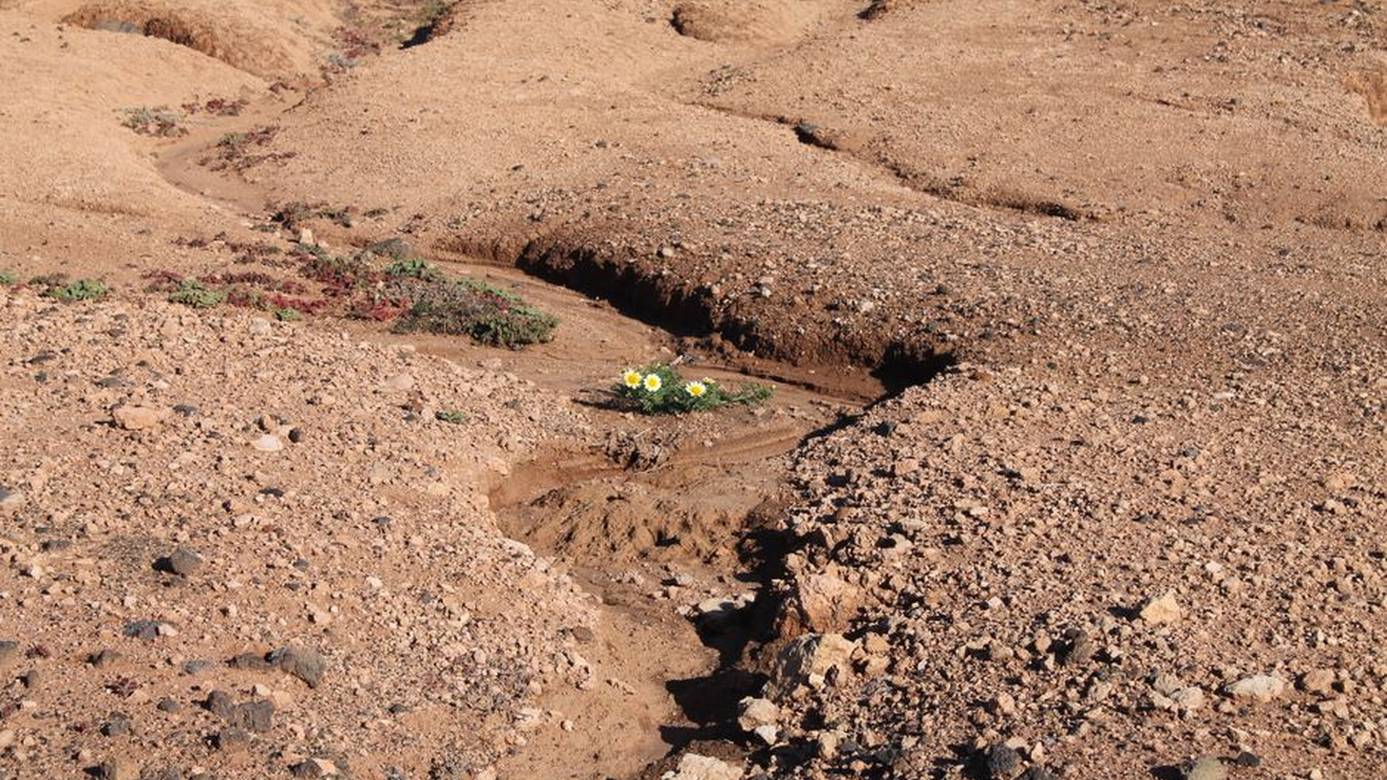
There’s a temptation when you spot a perfect view to veer off the main path, to shortcut through wildflowers or climb a rock formation that feels untouched. But that small deviation has long-term consequences. Even one step off the trail can damage fragile root systems, erode soil, and disrupt animal habitats. The National Park Service measures that every 100 feet of trail erosion can result in 40 pounds of topsoil loss. This isn’t just about preserving beauty—it’s about protecting ecosystems. In the backcountry of the Pacific Northwest, hikers who bypassed established trails in Olympic National Park once caused irreversible damage to moss-covered slopes, which take centuries to recover. Always follow marked trails, even if they’re longer. That longer path isn’t just safer—it’s smarter for conservation. And if you’re near a trailhead with no marked route, use a GPS app to stay on course and avoid creating new paths.
Choose Gear That Lasts, Not Just Looks Good
Your hiking gear isn’t just about performance—it’s a statement about the kind of world you want to preserve. Many popular hiking brands prioritize fast fashion style over sustainability, producing cheap, short-lived gear that ends up in landfills. Instead, seek out brands that use recycled materials, have transparent supply chains, and back lifetime repairs. For example, Patagonia’s Worn Wear program repairs and resells gear, reducing demand for new production. Look for jackets made from recycled polyester, hiking boots with plant-based insoles, and backpacks crafted from repurposed ocean plastic. These aren’t luxury items—they’re practical, thoughtful choices. And they don’t cost more in the long run. A $200 durable backpack that lasts 10 years costs less per hike than a $50 version that fails after one season. Trade 30 seconds of guilt over new gear for 30 seconds of research—and you’ll save the planet while saving money.
Respect Wildlife, Not Just the View
Nature isn’t a backdrop—it’s a living community. When you see a deer, a fox, or a bird perched on a branch, remember they’re not a photo opportunity. Use a telephoto lens instead of creeping closer. Never feed animals, even if they’re curious. Food scraps attract raccoons, alter feeding patterns, and increase human-wildlife conflict. In Yellowstone National Park, hikers who left scraps in their packs unknowingly caused a bear to become habituated to human food, leading to its euthanization. That’s not the kind of story we want to carry. Always keep food sealed and stored in bear-proof containers when camping. If you’re near a national park, follow all local regulations on food storage. Respect natural rhythms. Quiet your phone, slow your pace, and let the forest speak.

Share the Impact—Not Just the Photos
Your hike doesn’t end when your feet reach the trailhead. The moment you post a photo on social media, you have a responsibility to amplify awareness, not just aesthetic appeal. Tell the story behind the image: what did you do to protect the trail? Did you pick up litter? Use a reusable cup? Share a fact—like how 10,000 hikers on one trail create 30,000 pieces of litter if no one packs out trash. Tag local conservation groups. Encourage others to follow the Leave No Trace principles. In the Rockies, a hiker named Maya started a monthly challenge on Instagram: #HikeGreenChallenge. She posted videos showing how she cleaned litter on her way out and documented the changes. Within six months, over 12,000 people joined, and 14 trails reported cleaner conditions. Your story, no matter how small, can spark a movement. Use your platform to educate, not just inspire.