How Istanbul’s Streets Became a Feast
There’s something magical about waking up in Istanbul before sunrise, the city still wrapped in a soft haze, the call to prayer echoing across the Bosphorus like a melody from another time. By 7 a.m., the scent of fresh bread and sizzling meat starts drifting from alleyways near the Grand Bazaar. That’s when you realize: Istanbul doesn’t just feed you—it invites you into its story, one bite at a time. Every meal here isn’t just sustenance. It’s heritage. It’s memory. It’s love served steaming on a tin plate.
Walking through the bustling lanes of Sultanahmet, you’ll pass vendors flipping golden discs of simit—cinnamon-dusted, sesame-crusted rings that snap with satisfying crunch. One bite and you’re not just tasting bread. You’re tasting generations of bakers who shaped the taste of this city. The first time I held one, my fingers were sticky with melted butter and sweetness. The vendor smiled and said, “This is how a day starts in Istanbul.” And it was true—people eat it with strong black tea, not for hunger, but for ritual.
From Ottoman Palaces to Street Corners
The flavors of Istanbul didn’t begin in modern food trucks or social media trends. They were born in the kitchens of the Ottoman Empire, where thousands of palace chefs perfected the art of balance—sweet, sour, spicy, savory—all in one bite. Dishes like kefta, layered in yogurt and grilled over charcoal, were once reserved for sultans. Today, they’re sold in paper cones by men who’ve been doing it since their teens.
I once stood at a quiet corner near the Spice Bazaar, watching an old man in a white apron shape ground lamb with his hands, adding spices without measuring. When he handed me a skewer of grilled kofte, I hesitated—was it safe? But the moment I bit in, the warmth of cumin, the tang of pomegranate molasses, the soft creaminess of ayran that followed—it all made sense. I realized I wasn’t just eating food. I was tasting history in motion.
This is the heart of Turkish delicacy: authenticity isn’t found in perfect plating. It’s in the cracked wooden spoon, the frayed apron, the way the chef adjusts the fire with a flick of his wrist. It’s in the fact that a man named Ertuğrul has sold the same layer of baklava at the same stall on Istiklal Avenue for 38 years—no menu, no English, just a plate of golden, flaky pastry layered with crushed pistachios and rosewater syrup.
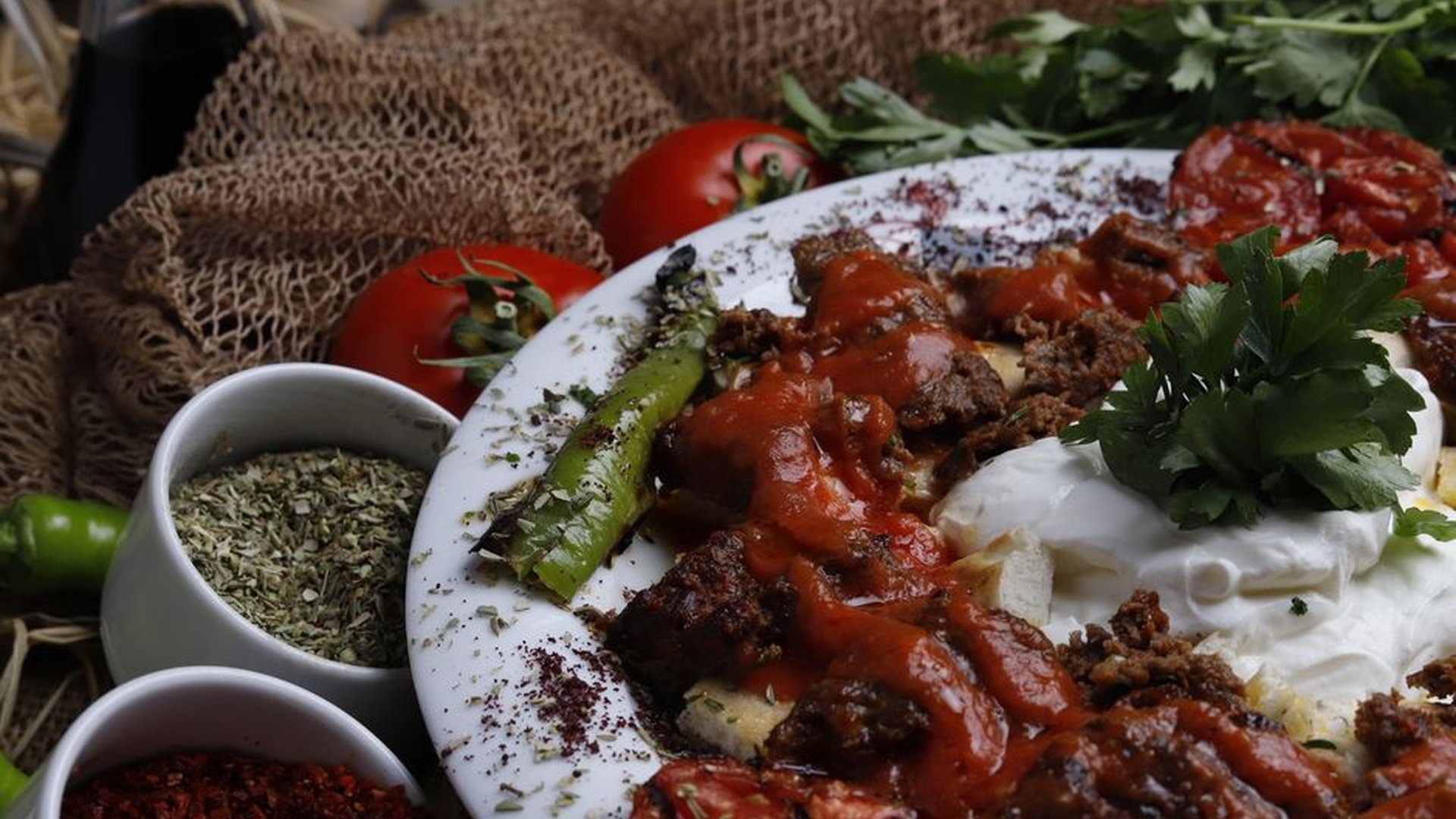
What to Try: 5 Must-Eat Dishes in Istanbul
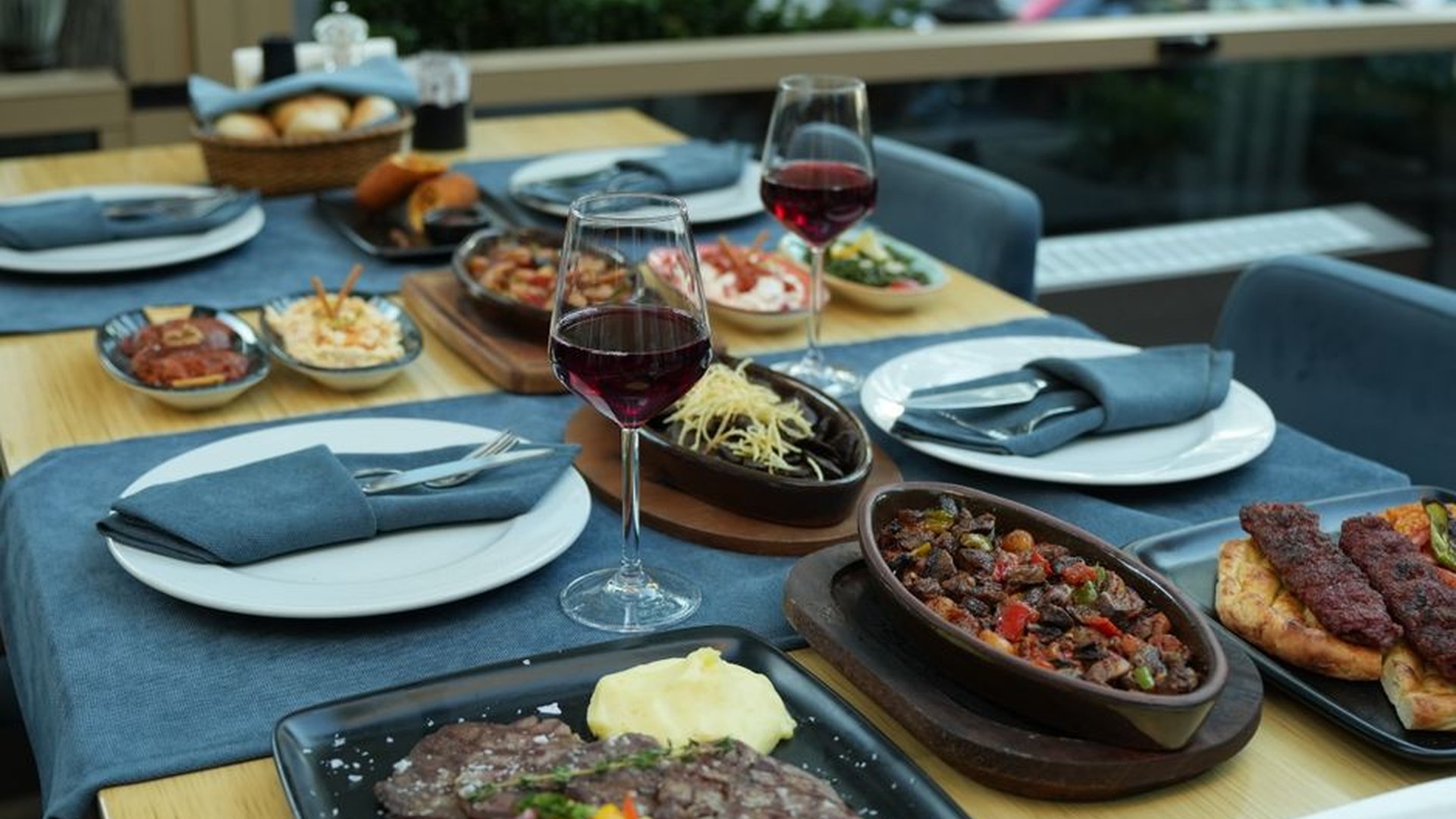
If you’re planning your first visit, don’t just wander aimlessly. There’s a rhythm to Istanbul’s food culture, and knowing what to try makes the journey deeper. Start with ıspansız, a simple dish of grilled eggplant, tomatoes, and garlic, served cold in a clay bowl. It might not look fancy, but its earthy depth is pure Anatolian soul.
Then, move to simit with kaymak—creamy, dense, and rich like a dairy dream. Pair it with a glass of fresh ayran, and you’re getting a breakfast that’s thousands of years old, even if your nearest ancestor never set foot here.
For those who love spice, try balı kesme—honeyed flatbread dipped in hot chili paste, served with a side of goat cheese. It’s not for the faint of heart. But that first blast of heat, followed by sweetness and cream—this is why people travel across oceans.
And if you’re brave, ask for etli çorba—a thick lamb and vegetable soup, often served with a boiled egg on top. It’s not just soup. It’s comfort, served in a ceramic bowl you’re not supposed to wash.
Finally, end your journey with a proper dessert: künefe. This isn’t just a pastry. It’s a moment. Warm, stringy cheese wrapped in syrup-soaked pastry, served hot with a dash of pistachios. I waited an hour at a small shop in Karaköy once. When I finally got it, I just sat. I didn’t take a photo. I didn’t post on social media. I just closed my eyes and ate. And in that silence, I felt the city breathe.
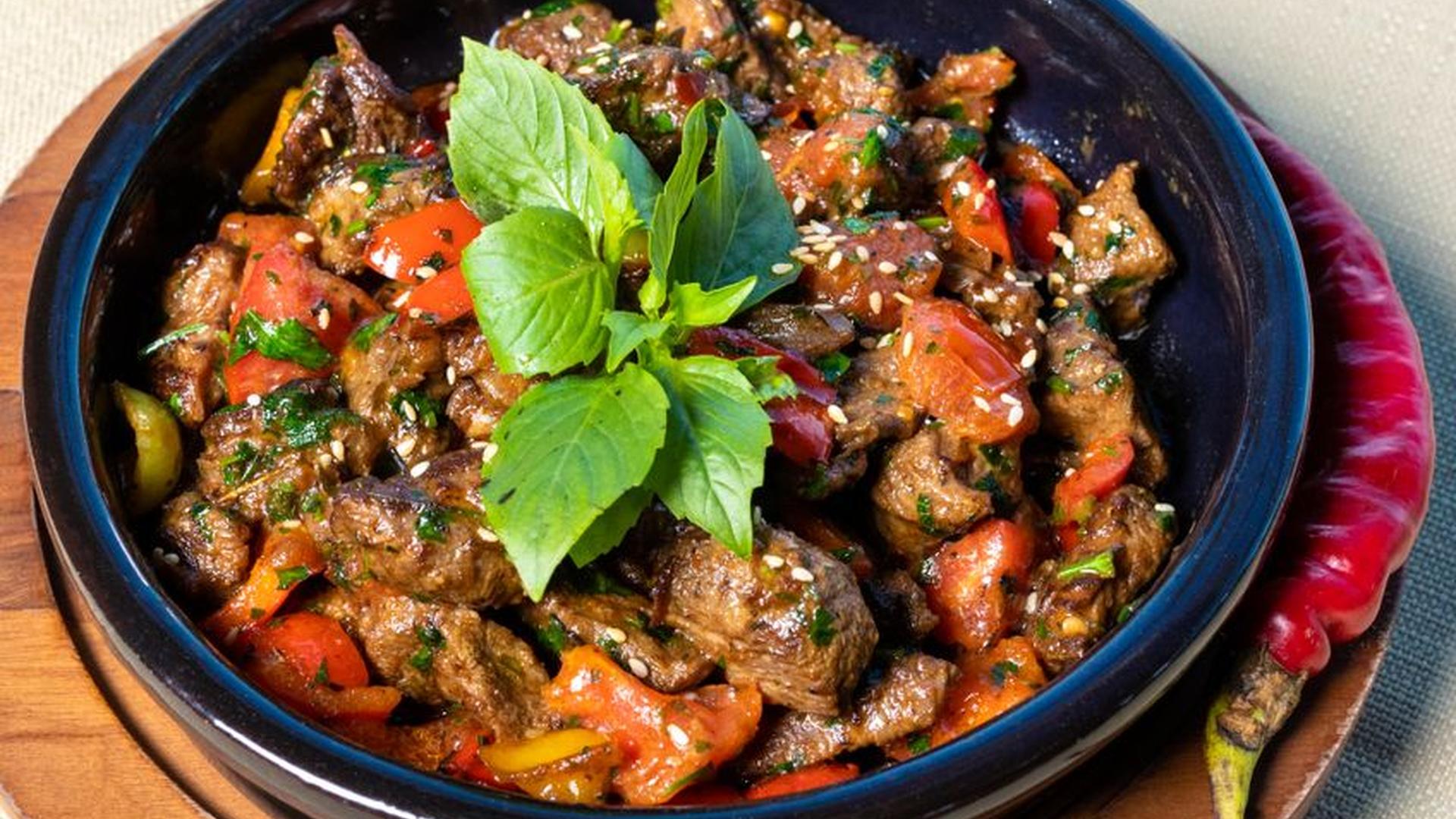
Why Food Connects Us All
There’s a moment in every traveler’s journey when the map fades, and the real story begins. For me, it was sitting in a tiny courtyard restaurant near the Chora Church, eating a late-night plate of döner with a man who spoke no English. We shared a bottle of wine, passed the bread back and forth, and laughed when I accidentally dropped a piece into my tea. No words were exchanged, but I felt understood. That’s the power of food in Istanbul.
It doesn’t matter if you’re 22 or 52. Whether you’re backpacking through Europe or taking a weekend trip from London. When you eat Turkish delicacies, you’re not just filling your stomach. You’re participating in a tradition that has survived empires, wars, and changing tastes. You’re tasting the resilience of a culture that says: “We survive not because we’re strong, but because we feed each other.”
And that’s what makes Istanbul special. Not the mosques, not the ferries, not even the view from the Galata Tower. It’s the feeling you get when you bite into a piece of baklava and realize you’re not in a city anymore. You’re in a moment. A memory. A life.
So next time you’re in Istanbul, skip the checklist. Put down the camera. Walk into the kitchen, even if it’s just a sidewalk stall. Ask the cook to show you how they fold the dough. Tell them you’re not from here. Then eat. And when you do, promise yourself you’ll never forget how it felt—the heat, the sweetness, the moment you understood: this is how people live. This is how cities remember.