Getting to Yellowstone: Understanding Your Airport Options
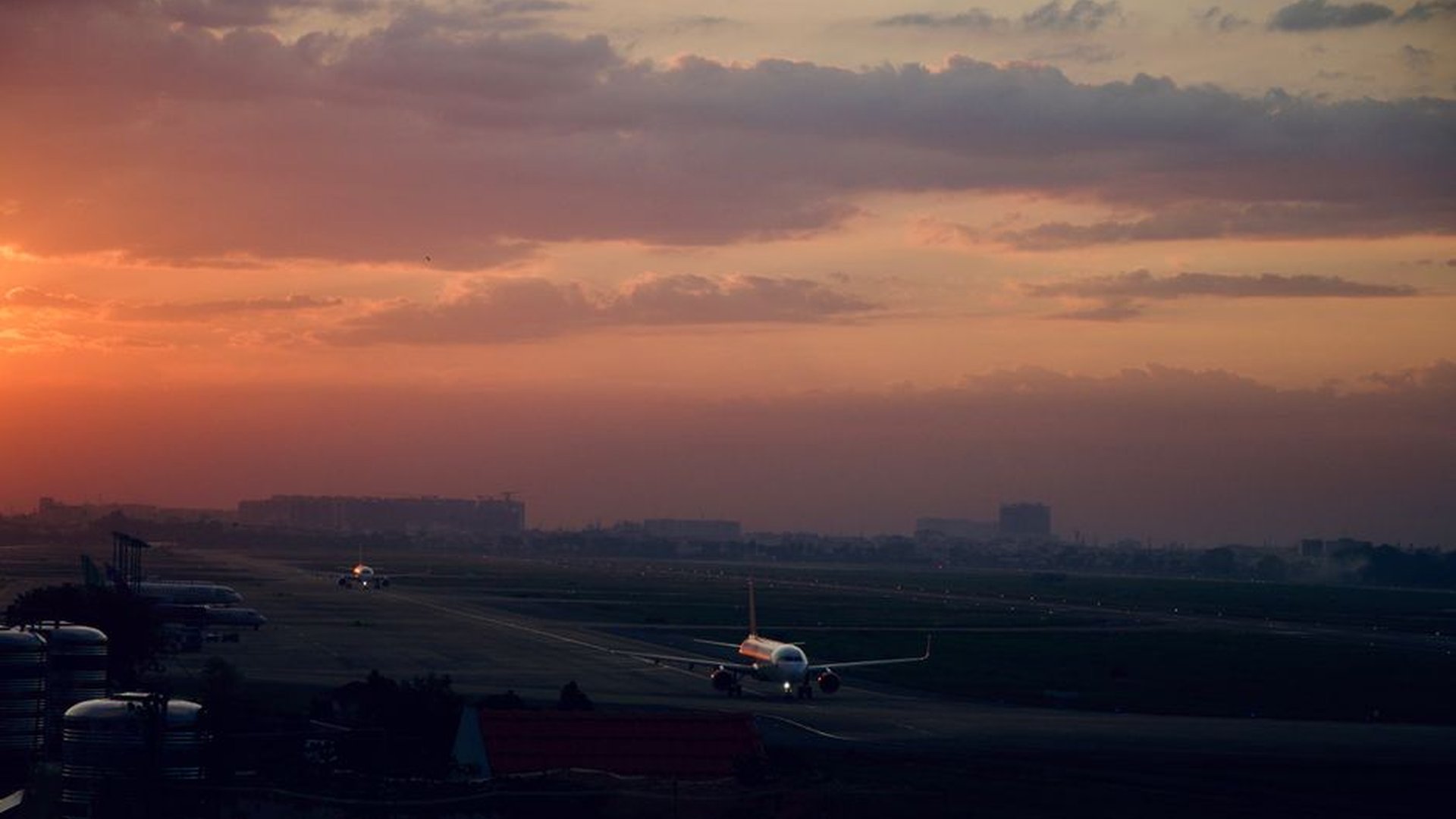
When planning a trip to Yellowstone National Park, the first decision many travelers face is which airport to fly into. While the park itself doesn’t have a major international airport, several nearby airports serve as convenient entry points. The most common option is the Yellowstone Regional Airport (WYS), located just outside West Yellowstone, Montana. Though it’s a smaller airport with limited daily flights, it’s only a 15-minute drive from the park’s main entrance. This proximity makes it a top choice for hikers and nature lovers looking to minimize travel time and maximize adventure time.
Alternatively, many travelers choose to fly into larger regional hubs like Missoula International Airport (MSO) or Idaho Falls Regional Airport (IDA). These offer more flight options, including direct service from major U.S. cities such as Denver, Salt Lake City, and Chicago. While these airports are farther from the park—about a 2.5 to 3-hour drive—they often come with lower fares, more frequent flights, and better connections during peak travel seasons. For groups or families, these options can be more practical, especially if timing and budget are factors.
Regardless of which airport you pick, it’s important to check flight schedules well in advance. Weather in the region can disrupt travel plans, particularly in spring and fall, so flexibility in your booking is key. Having a backup plan—like a refundable ticket or travel insurance—can provide peace of mind when weather patterns hit the mountains.
Flight Tips for a Smooth Journey to the Park
Flying into Yellowstone isn’t just about choosing the right airport—it’s about making smart travel choices that set the tone for your entire adventure. One of the most overlooked tips is booking flights during off-peak times. Early morning departures often experience less turbulence and shorter delays, while evening flights can be quieter and more peaceful, especially if you’re aiming to arrive at the park in the evening to begin your hike under a golden sunset.
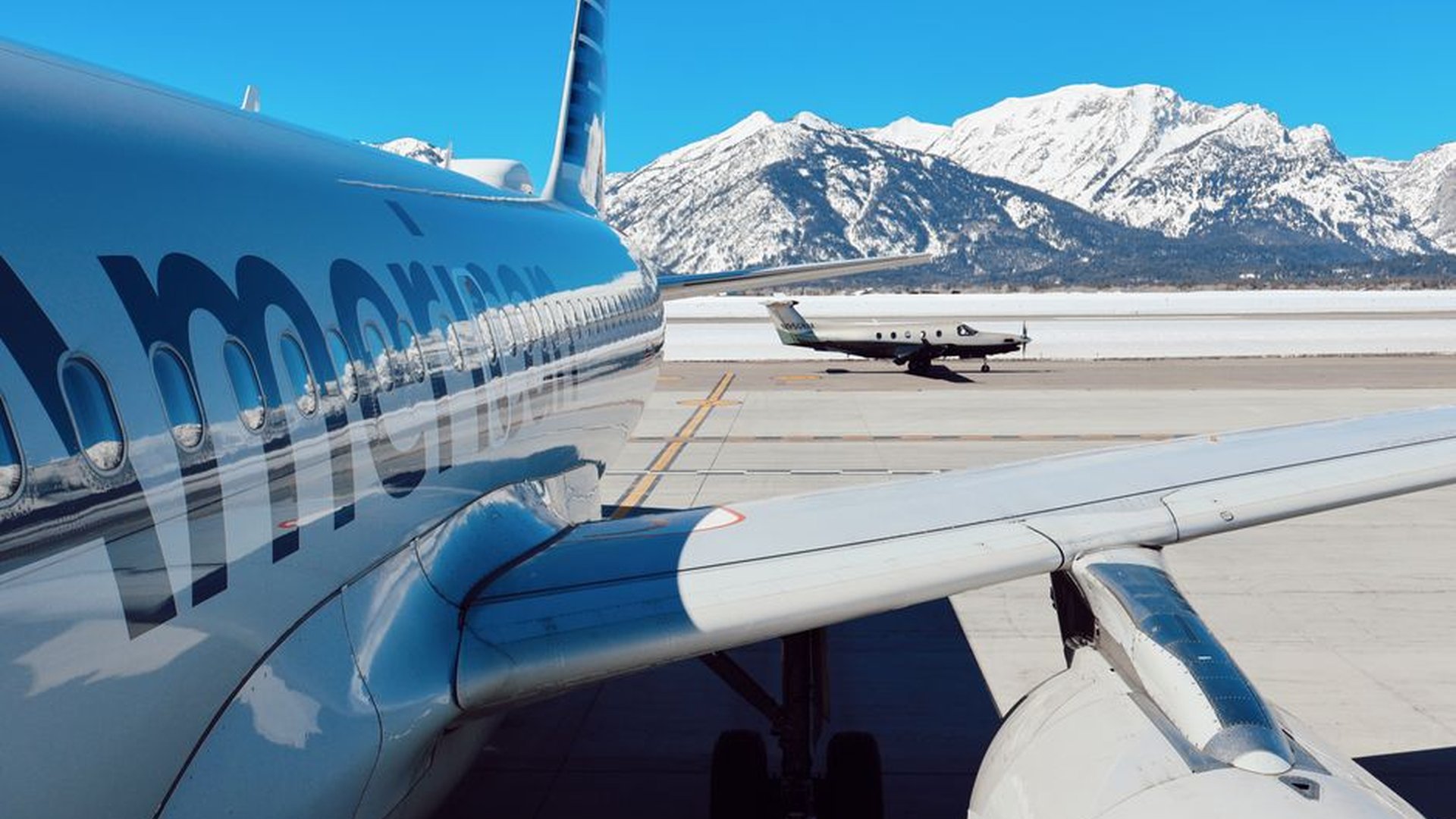
Another major consideration is luggage. Many hikers pack heavily—boots, rain gear, sleeping bags, and backpacks. When flying into smaller airports like WYS, be aware that some carriers impose strict baggage limits. Alaska Airlines and American Eagle, for example, offer standard checks, but additional fees can add up quickly. To avoid surprise charges, pack light, use a travel-sized gear bag, and confirm your airline’s policy before you go.
Travelers also benefit from using app-based check-in and digital boarding passes. A few minutes of pre-flight setup on your phone can save you from long lines and reduce stress at the airport. Many regional terminals, including WYS, have limited space and staff, so every minute counts.
Finally, if you’re flying from a major city, consider connecting through hubs like Denver or Salt Lake. These cities not only have frequent service to Yellowstone’s airport but also feature smaller, more efficient terminals. This reduces the chance of missing a connection and gives you a smoother transfer experience.
Ground Transportation: Your Next Step After Landing
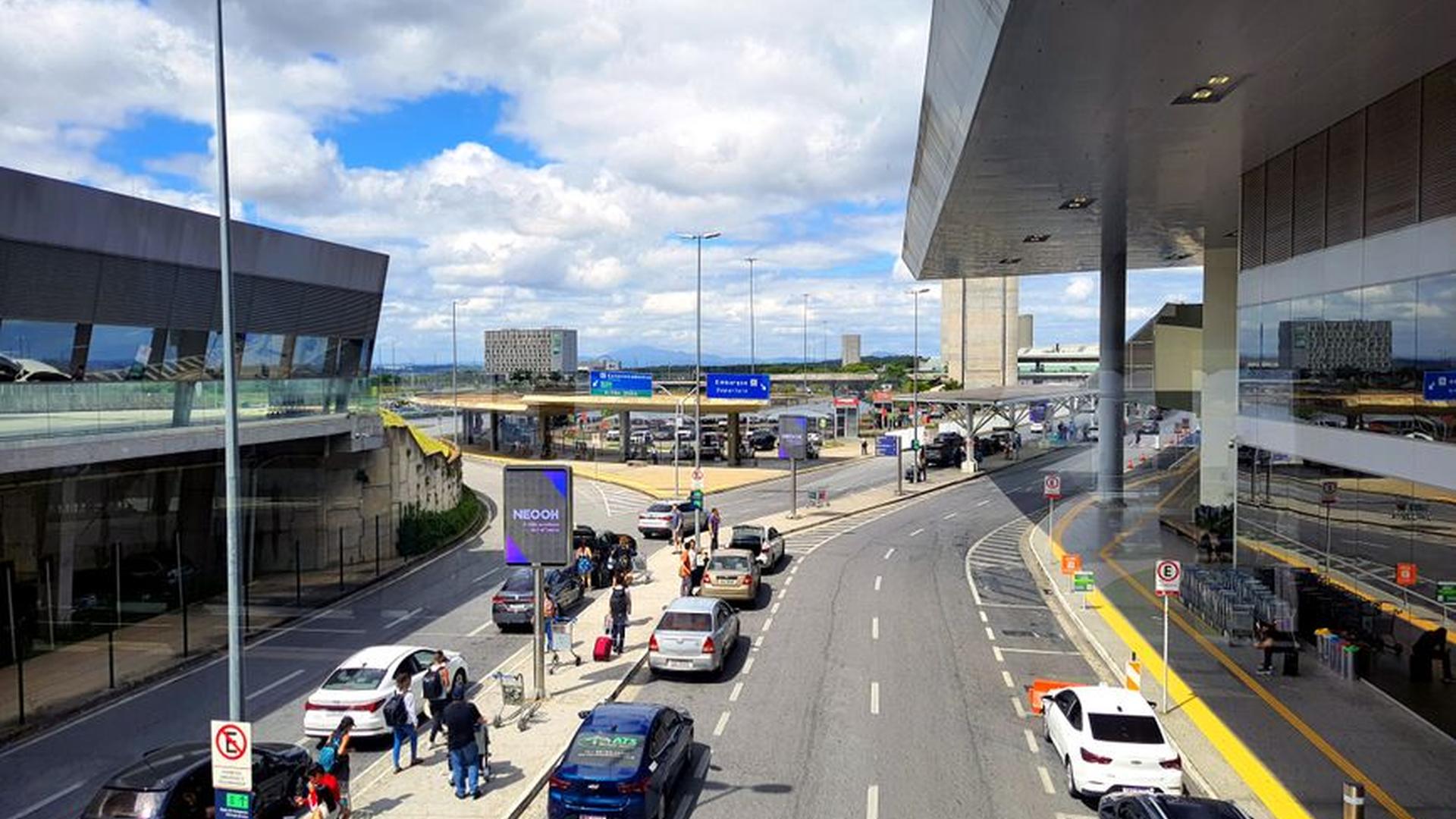
Arriving at your chosen airport is just the beginning. The next critical phase is getting from the terminal to the park’s gateway. For travelers at Yellowstone Regional Airport (WYS), car rental is the most popular option. In fact, 80% of hikers who fly into WYS choose to rent a vehicle upon arrival. This makes sense: it provides flexibility, lets you stop at scenic overlooks, and gives you full control over your schedule. But don’t assume all rental companies offer the same options—some may not carry 4×4 vehicles suitable for the park’s rougher trails.
If you’re flying into Missoula (MSO), expect a longer drive but also more transport variety. Several shuttle services run weekly between MSO and the park entrance, and some even include guided hiking information. These are great for solo travelers or those who prefer not to drive. Alternatively, rideshare services like Uber and Lyft are available in Missoula and can be arranged ahead of time through the app.
For those on a budget, public transit isn’t a viable option—especially in winter months when many routes stop. But even in summer, the bus from West Yellowstone to the park’s main gates runs only twice a day and doesn’t go beyond the entrance. So if you’re relying on public transport, plan to arrive early and keep a flexible schedule.
One smart move many hikers make is booking transportation in advance. Whether it’s a rental car, shuttle, or ride share, pre-booking ensures availability and often includes discounts. It also helps you avoid the stress of searching in a foreign airport terminal on a tired, post-flight day.
Navigating the Climate: How Weather Affects Your Trip
The weather in Yellowstone’s high-altitude zones is one of the most unpredictable elements of any visit. This isn’t just a side note—it directly impacts flight decisions and travel planning. For example, in March and April, snowstorms commonly delay flights to WYS, and winter weather at MSO can lead to cancellations. In contrast, summer months (June through August) see more direct flights and better weather, but also more crowds and higher prices.
If you’re planning a fall visit, you’ll find fewer flights and more variable weather—mist and fog are common in September, which can delay flights and reduce visibility on trails. That’s why many seasoned hikers avoid flying in late September if they’re aiming for peak scenery.
To stay ahead, check forecasts and airport alerts at least 72 hours before departure. The National Weather Service and the Federal Aviation Administration (FAA) provide real-time updates on conditions at regional airports. Use these tools to adjust your departure time, switch to a later flight, or consider a different airport if needed.
Pro Tips for the Ultimate Yellowstone Experience
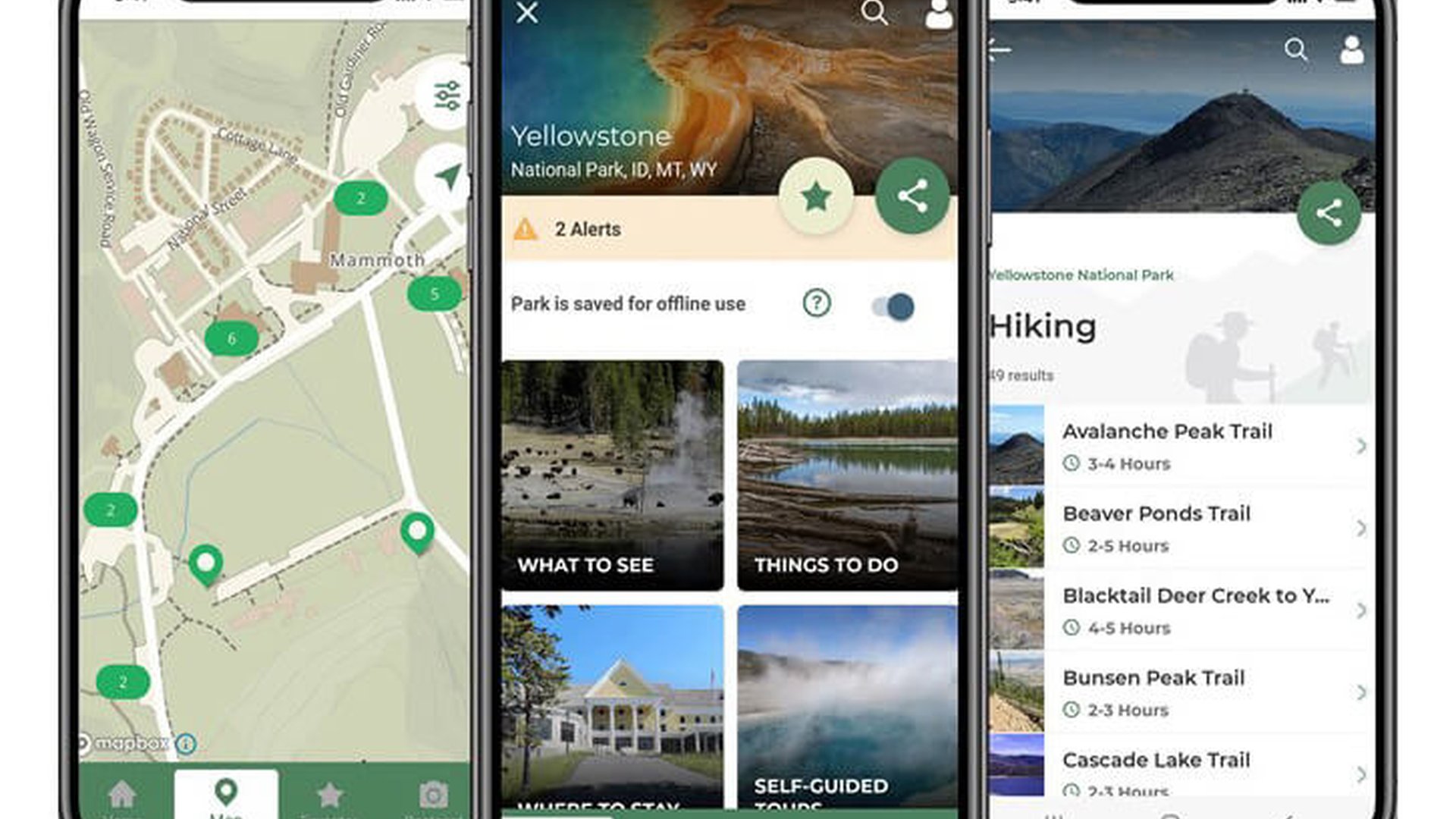
Even with perfect flight plans, the real magic happens on the ground. Once you’ve landed and reached the park, a few simple habits can elevate your journey. First, download offline hiking maps and weather apps before you board. Cell service is spotty in the backcountry and often unavailability after 10 p.m.
Second, always pack a change of clothes and a lightweight rain jacket. Even if the forecast says it will be sunny, the mountain weather swings fast—especially in the upper elevations. Hikers who’ve been caught in a sudden downpour without insulation often share stories of shivering on the trail, even in July.
Lastly, keep your travel documents and emergency contacts in your phone and wallet. After a long flight from a major city, it’s easy to forget that emergency services in remote areas are limited. Having a backup plan for medical help, lost gear, or trail closures can save a trip from turning into a nightmare.
Flying to Yellowstone may seem complex, but with the right preparation, it becomes a seamless part of your adventure. Whether you land at WYS or connect through a major hub, your journey is built on anticipation, discovery, and the thrill of stepping into one of the most breathtaking landscapes on Earth.