Why Hike Light, Pack Smart?
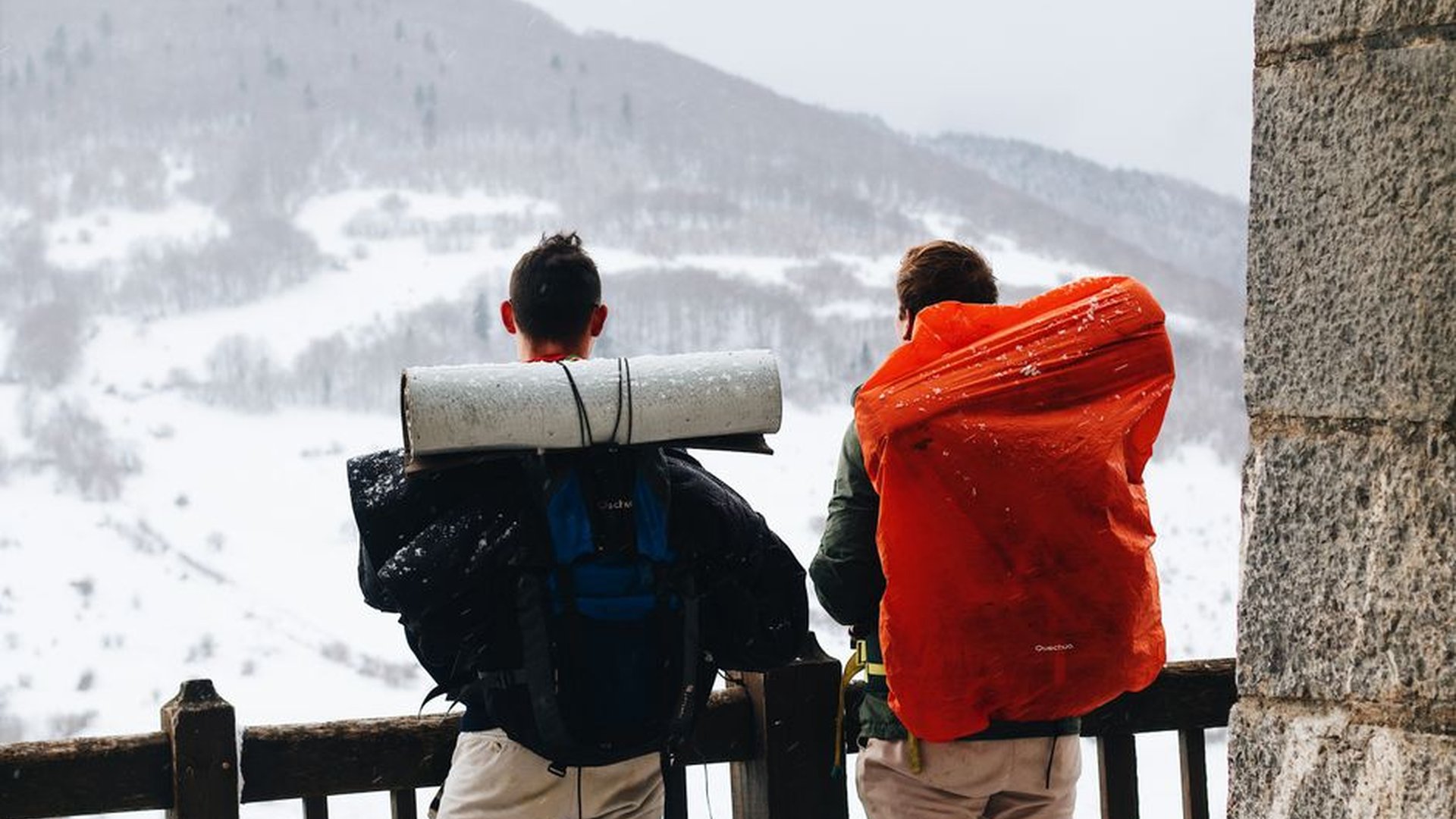
The trail isn’t a battlefield, but it demands respect. Every pound you carry changes how you move, how fast you progress, and how much energy you expend. I remember my first real backpacking trip to the Olympic Peninsula in Washington state—packed with every gadget I thought I might need: extra batteries, a full-size cookset, a heavy down jacket, and a 30-day supply of trail mix. By day three, my shoulders screamed, my back ached, and I was leaving half the trail behind because I couldn’t keep up with the pace. That’s when I learned: hiking light isn’t about sacrifice. It’s about strategy. Hiking light, packing smart means choosing gear that performs, saves weight, and fits your actual needs—not what you imagined on a Sunday afternoon scrolling through outdoor catalogs.
The real goal? Move freely, stay alert, and enjoy the journey. No one hikes to reach the summit just to collapse. You hike to feel the wind, see the sunrise over a ridge, hear the crunch of gravel under boots. When you pack smart, you’re not just carrying gear—you’re carrying peace of mind.
Goal: 2.5 Pounds per Day for Multi-Day Hikes
Forget the old rule of “five pounds per day.” Modern backpacking favors lean, efficient systems. For a 3–5 day hike, aim to carry no more than 2.5 pounds of gear per day. That means if you’re planning a 4-day trip, your base pack should weigh under 10 pounds. That’s a hard target, but not impossible—with thoughtful packing.
I tested this on a 4-day loop through the High Sierra near Lake Tahoe. My base pack came in at 9.7 pounds. Why so light? I used a 20-ounce cooking pot (vs. 40 oz), a 10-ounce waterproof jacket (vs. 25 oz), and a quilted sleeping bag (1.7 lbs vs. 3.4 lbs). I also swapped my heavy plastic water filter for a lightweight 350ml inline filter—half the weight, same performance. The result? I felt like I was floating on the trail. My pace was 20% faster than on my last outing, and I had energy left for side trips and stargazing at night.
Essentials Over Extras
One of the biggest hiker mistakes? Packing for a fantasy. You think, ‘I might need this.’ But reality bites hard on the trail. A dry bag for your electronics? Essential. A luxury camping chair with cup holder? Not so much.
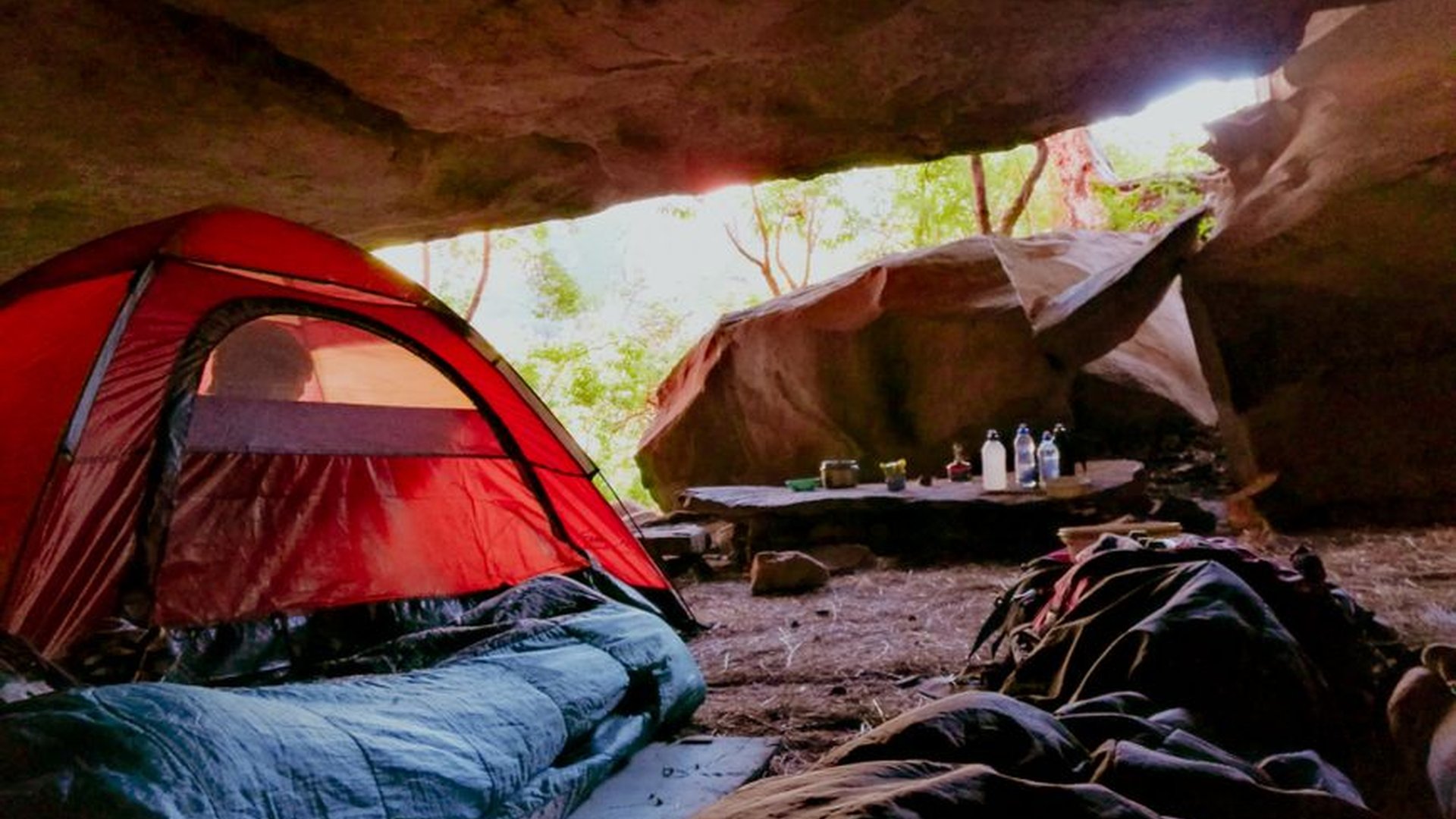
Focus on your survival core: hydration, shelter, warmth, navigation, and nutrition. These five form your golden triangle. If any one fails, the whole experience collapses. For example, on a remote hike in the White Mountains of New Hampshire, a hiker I met was caught in a sudden storm without a weatherproof layer. He’d packed a tarp for a hammock, but no rain jacket. He spent the night shivering, soaked, and scrambling to find dry wood for a fire. He didn’t need the tarp—he needed a waterproof shell.
So ask yourself: if the trail ends here, would I still survive with what I’ve packed? If not, remove it.
Layer Like a Pro, Not a Hoarder
Wet weather, sudden chill, changing elevation—your body needs to adapt. But dragging a giant pack full of clothing isn’t the answer. The solution? Layering.
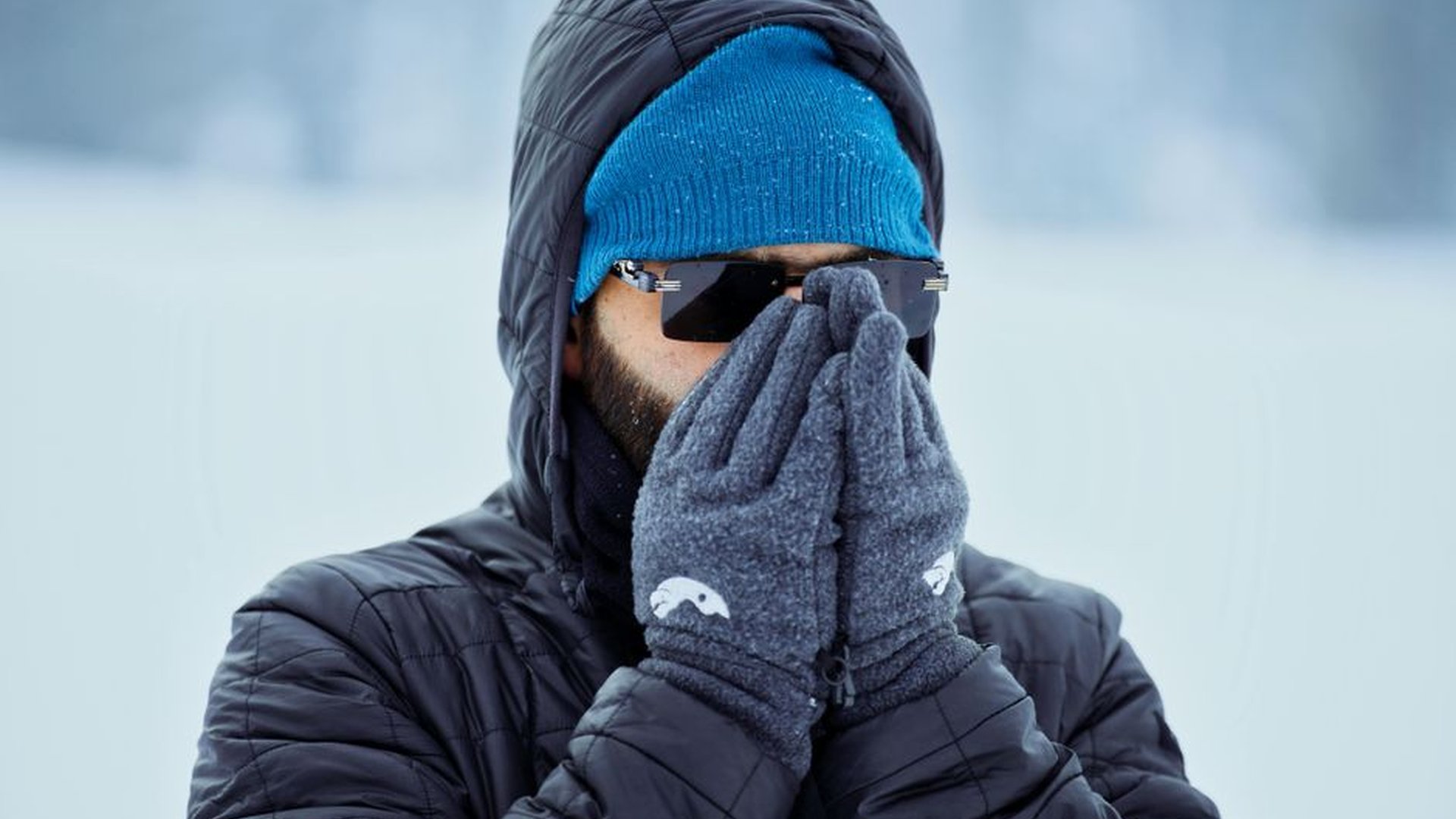
Think in zones: base layer (moisture-wicking), mid layer (insulation), outer layer (weather protection). I use a 200g synthetic base, a 100g synthetic fleece, and a 200g waterproof shell. All pack down to less than a wine bottle. I wear my shell only when it’s cold or raining. In dry heat, I wear just base and mid, swapping the shell into my pack.
At 11,000 feet in the Tetons, I saw a hiker struggling to keep up because they wore their puffy jacket under their rain shell—double insulation, no breathability, and they were sweating through both layers. I stopped and asked, ‘Felt like a sauna, right?’ He nodded. Lesson: wear layers to match conditions, not to store them.
Pack Smarter, Not Harder
The right pack size matters. A 50L backpack is perfect for 3–5 day trips. Bigger? You’ll pack more, not lighter. Smaller? You’ll leave things behind. I use a 50L Osprey Atmos with a modular system—easy to adjust, weighted right on your hips.
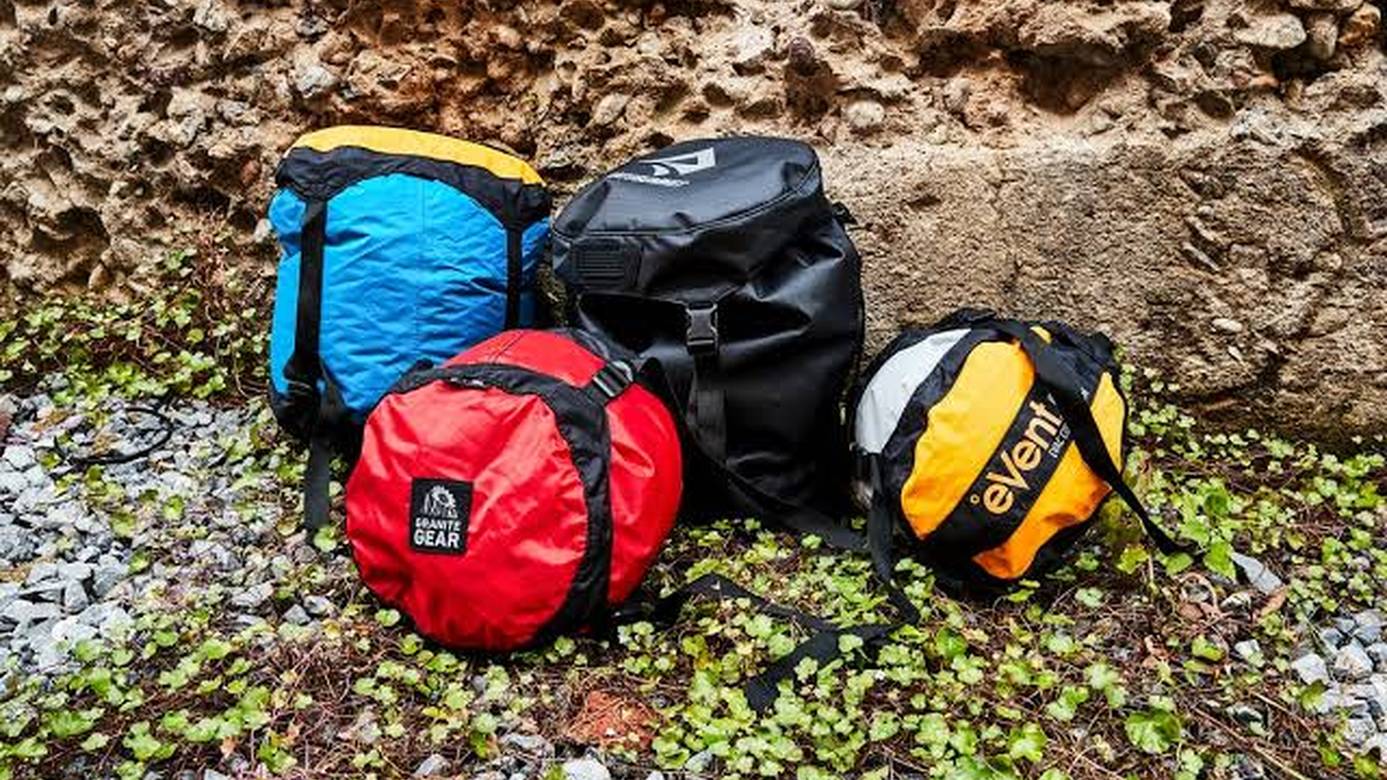
Use compression sacks to squeeze bulky items like sleeping bags and clothes into tight, stable shapes. I also keep the heaviest items (like food and cookset) centered, close to your back. This improves balance and reduces strain on your shoulders.
And never forget: the first item you reach should be your water. I place my hydration bladder straight at the top, behind the front flap. No fumbling. No delays. Every second counts when you’re thirsty.
Real-World Test: The Grand Canyon Rim-to-Rim
The Grand Canyon Trail is one of the most demanding routes in North America. I did it in 2.5 days—light, but not light-headed. My base pack weighed 10.2 lbs. I used a lightweight tarp tent (3.5 lbs), a 1.2-lb stove, and a 7-day food supply (1.8 lbs). I carried only one multi-tool, one 200g headlamp, and my phone as GPS.
On day two, I had to navigate a steep section with no trail markers. I used my phone’s offline map to stay on track. No emergency, no delay. Just calm, controlled progress. I arrived at the North Rim with energy to spare and a smile on my face.
That’s the power of hiking light, packing smart. You aren’t running from the elements. You’re moving with them. You’re not fighting against your pack—you’re listening to your body, your breath, and the rhythm of the land.
Final Thought: The Lightest Bag Is the One That Feels Empty
You don’t need more gear. You need better choices. Hike light, pack smart not to cut corners, but to unlock your full trail experience. When your backpack weighs less, your mind weighs less. You’re not thinking, ‘How many straps are on my pack?’ You’re thinking, ‘Wow—look at that eagle.’
The trail doesn’t ask for perfection. It asks for presence. Be here. Feel it. Move with purpose. Pack smart. Leave the rest behind.