Why Seek Secret Beaches Beyond the Tourists
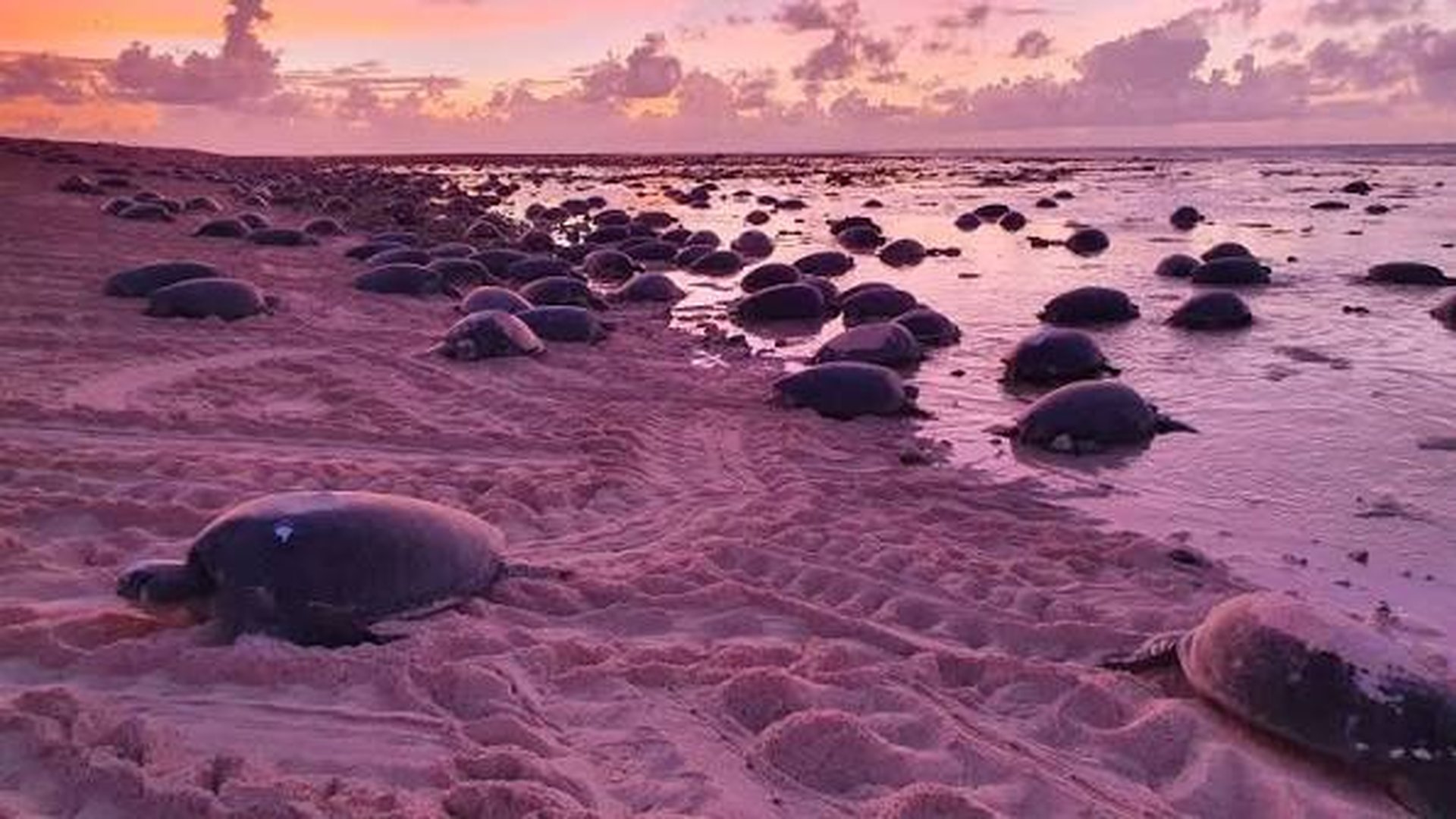
Most travelers know the name of the famous beach—the one that’s been photographed a million times, packed with umbrellas, and crowded with people snapping selfies. But what if you’re tired of that version of paradise? What if you dream of a place where the only sound is the wind and the waves, where the sand is so white it glows under the sun, and where you might even spot a turtle nesting at dusk? That’s the real magic of remote beaches. These secret shores offer peace, connection with nature, and a sense of discovery that modern travel often overlooks. They’re not just destinations; they’re experiences that stay with you long after the sandals are packed away.
How to Find Real Places Without the Crowds
The first rule of finding a true secret beach: don’t rely on Google Maps or Instagram. These spots aren’t listed for a reason—they’re protected by secrecy, geography, and sometimes local culture. Instead, look to travel forums, local guidebooks, and even conversations with residents in nearby villages. In Fiji, for example, a beach on the island of Taveuni was only known to a few fisherfolk until a local blogger shared a simple photo with a note: “This is where the sea sings at low tide.” That post led to a flood of hikers, but the original beauty remains intact if you avoid the high-season weekend crowds. The key is timing. Visit in the shoulder season—late autumn in tropical zones, early spring in temperate regions. You’ll find fewer tourists, lower prices, and the kind of solitude that makes memories.
Best Remote Beaches You Can Actually Reach
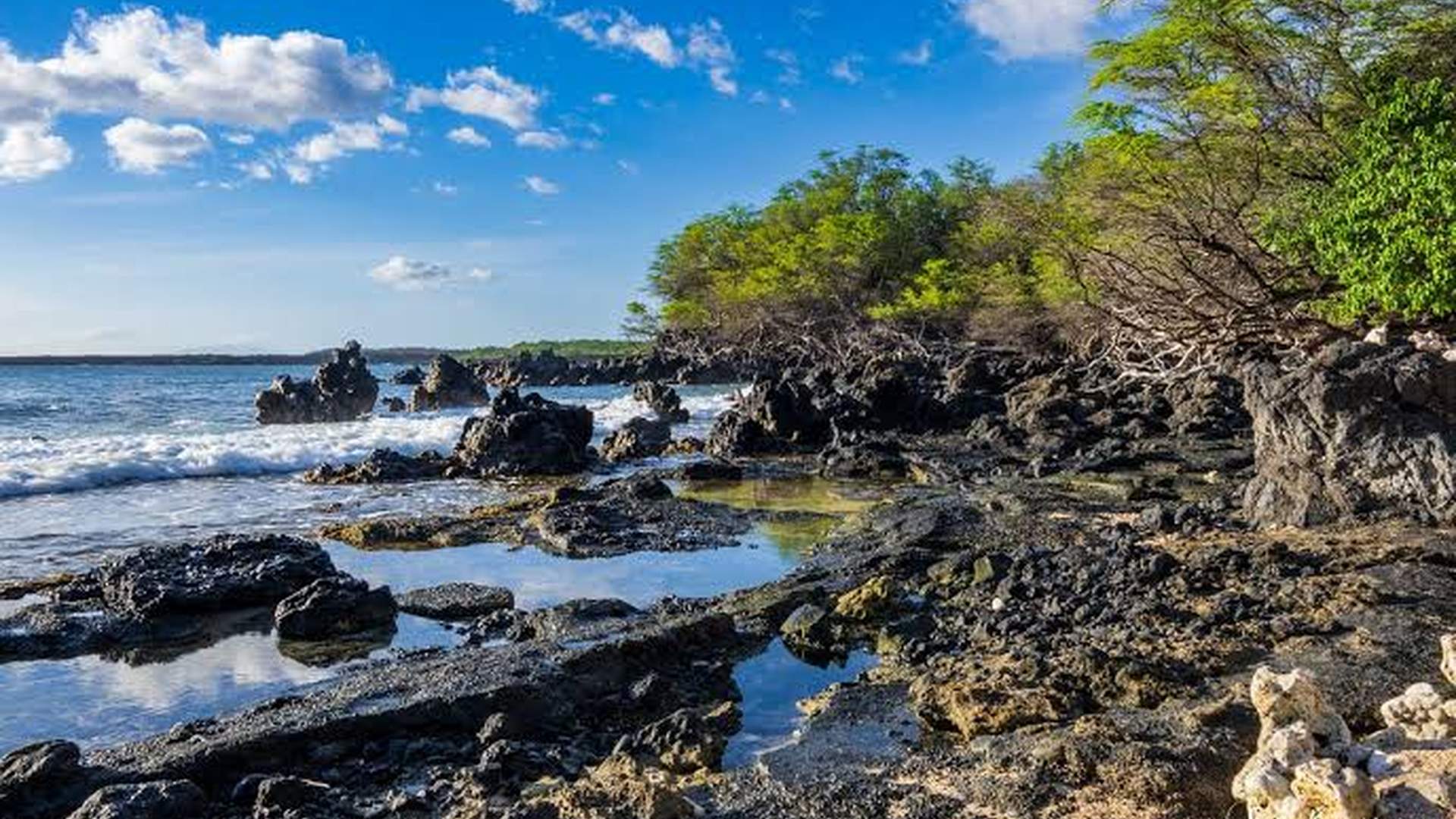
One standout example is the beach at Naihāna Bay on the Big Island of Hawaii. To reach it, you must walk 4.5 kilometers through a dry coastal forest, past lava fields and centuries-old native trees. The path isn’t maintained—locally, it’s called “The Walk of the Forgotten.” But when you finally emerge onto the sand, you’re greeted by a crescent of gold-colored beach, backed by basalt cliffs and lined with coral rock pools. No vendors. No signs. Just the sound of waves and the call of a rare Hawaiian petrel. The journey itself becomes part of the reward. Many tourists never make it this far because they expect instant access. But those who walk the path return with stories—not just of a beach, but of transformation.
Another hidden gem lies in the far south of Greece, on the island of Folegandros. Here, the beach at Kambos is only reachable via a narrow, winding trail that descends steeply through wild thyme and wild sage. Locals call it “the beach that hides from the world.” It’s about 30 minutes of walking, but the payoff is undeniable: a natural amphitheater of stone and sea, framed by the deep blue Aegean. There’s no lifeguard, no chairs, no music—just sunlight shimmering on the water and the occasional goat wandering through the cliffs. It’s not glamorous. It’s not easy. And that’s exactly why it’s unforgettable.
What to Pack for a True Remote Escape
Preparing for a secret beach isn’t the same as packing for a resort. You need practicality, not luxury. Start with essentials: water purification tablets, a lightweight solar charger, a multi-tool, and a durable dry bag. Sun protection is critical—bring reef-safe sunscreen, a wide-brim hat, and long sleeves to avoid sunburn on exposed trails. A small first-aid kit with antiseptic wipes and blister pads is a must. Don’t forget a notebook and pen. These remote places often inspire reflection, and capturing thoughts by hand can be more meaningful than any photo.
Bring only what you can carry. No oversized luggage. No plastic bottles. Be a guest, not a burden. Respect the land. If you see a piece of trash, pick it up—even if it’s not yours. This isn’t just etiquette; it’s responsibility. These places survive because they’re untouched. Protect them so others can experience them too.

Leave No Trace: Honor What You Find
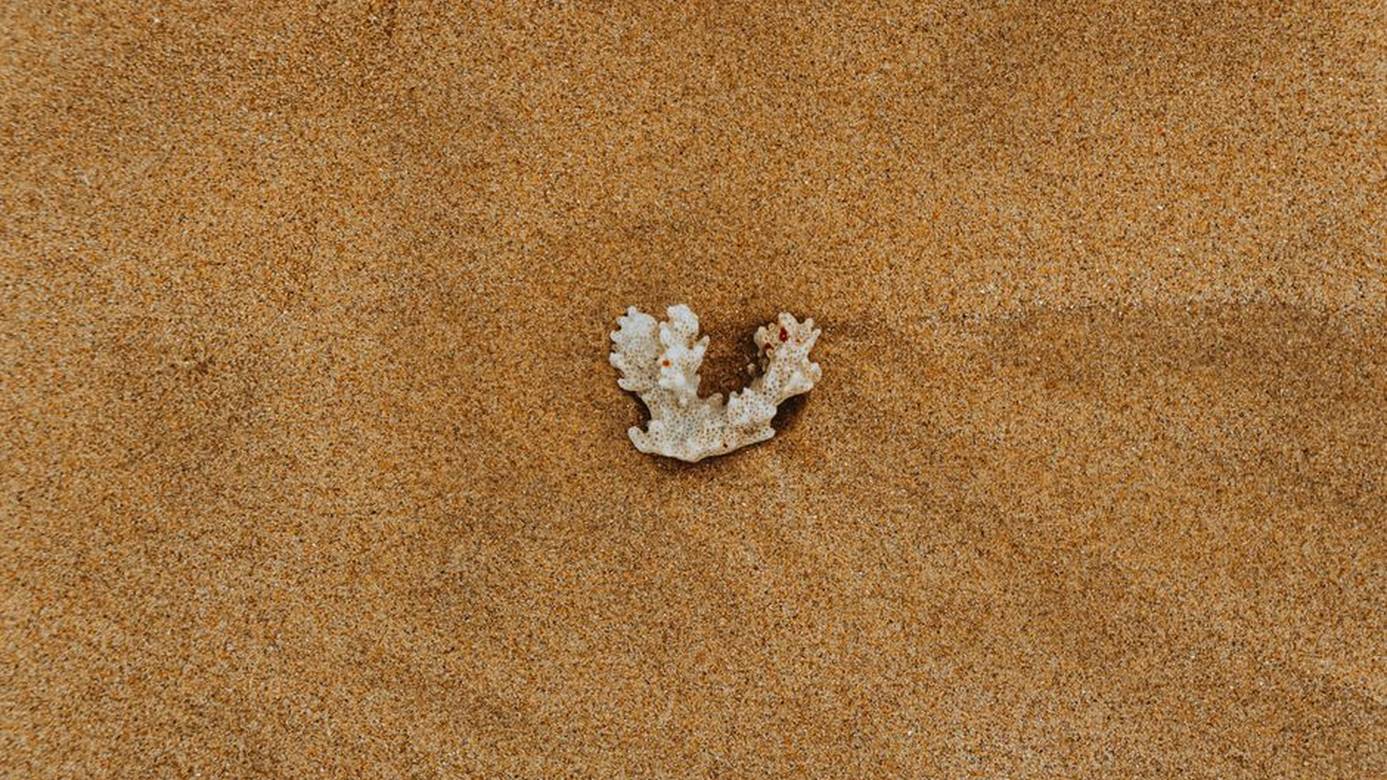
The best secret beaches aren’t just remote—they’re fragile. A single footprint on a dune, a stray plastic wrapper, or even a snapped coral branch can disrupt delicate ecosystems. Always use designated paths, even if they’re barely visible. Avoid stepping on sea turtle nests, even if you’re just curious. The moment you step off the trail, you become part of the story—but not always in a good way. In Borneo, a secluded cove was once praised as a sanctuary for rare green turtles. But after a single viral video showed tourists tossing bread into their path, the turtles stopped returning. The site is still beautiful, but it’s no longer the same.
Leave behind only footprints, and take only memories. If you document your journey, choose photos that show the landscape, not your face. Avoid tagging exact locations on social media. Share the feeling, not the coordinates. Let others find it on their own. That’s the true spirit of remote paradise: not just a place, but a promise of quiet, wonder, and respect.