Why Prague Shines on the Rails
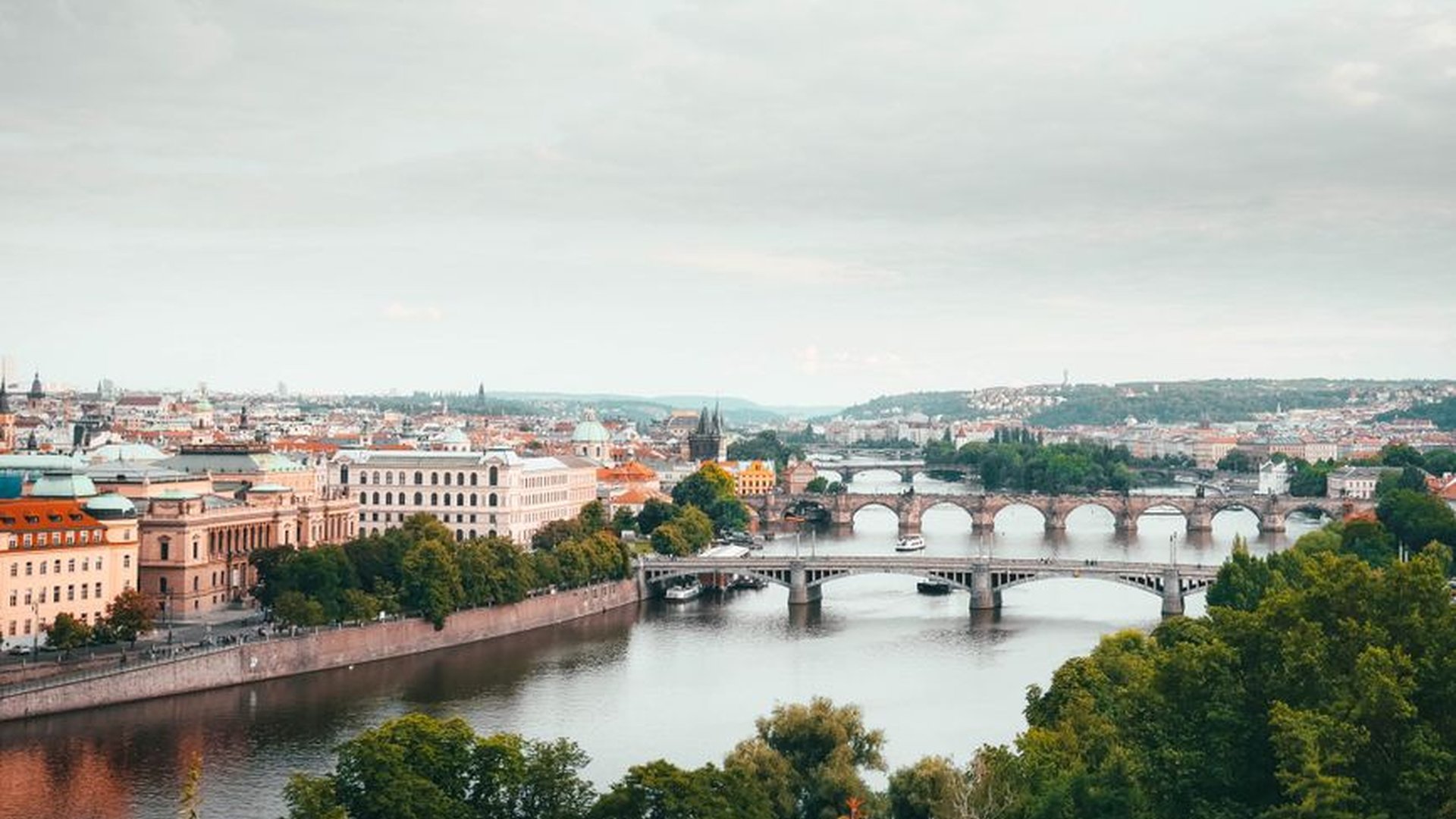
There’s something deeply satisfying about arriving in a city not by plane, but by train—especially when that city is Prague. As the rails roll through rolling hills and scattered villages, the skyline begins to rise like a dream: the Charles Bridge emerging over the Vltava River, Prague Castle perched above the city, and the distant glow of the Old Town Tower. This isn’t just transportation; it’s a ritual. The rhythm of the train, the soft hum beneath your feet, the changing landscape—it all builds anticipation. For travelers who value authenticity over speed, a train journey to Prague isn’t just practical; it’s poetic. It gives you time to reflect, to imagine, to feel the city before you’ve even stepped off the platform.
Choosing Your Route: Where to Begin and Why
Most international travelers reach Prague from Berlin, Vienna, or Munich—each a compelling starting point. The Berlin-to-Prague route makes for a short but rich ride, covering roughly 380 kilometers in under six hours. The train glides through Germany’s flat farmland and then into the rolling hills of Bohemia, where wheat fields give way to pine forests. You’ll see the first hints of Old Town’s red rooftops just after passing the town of Ústí nad Labem.
But the most dramatic journey starts in Vienna. Departing from Wien Hauptbahnhof, the train chugs eastward, crossing the Danube Valley and entering the heart of Central Europe. After about five hours, you’ll pass the last towns of the Czech Republic before approaching Prague’s western edge. What sets this route apart is the shift in architecture: from Austria’s Baroque symmetry to Czech Gothic flourishes. Midway through, you might glimpse the ruins of the Příbram Castle, a silent reminder of dynastic ambitions. These details aren’t just scenery—they’re chapters in a story you’re already part of.
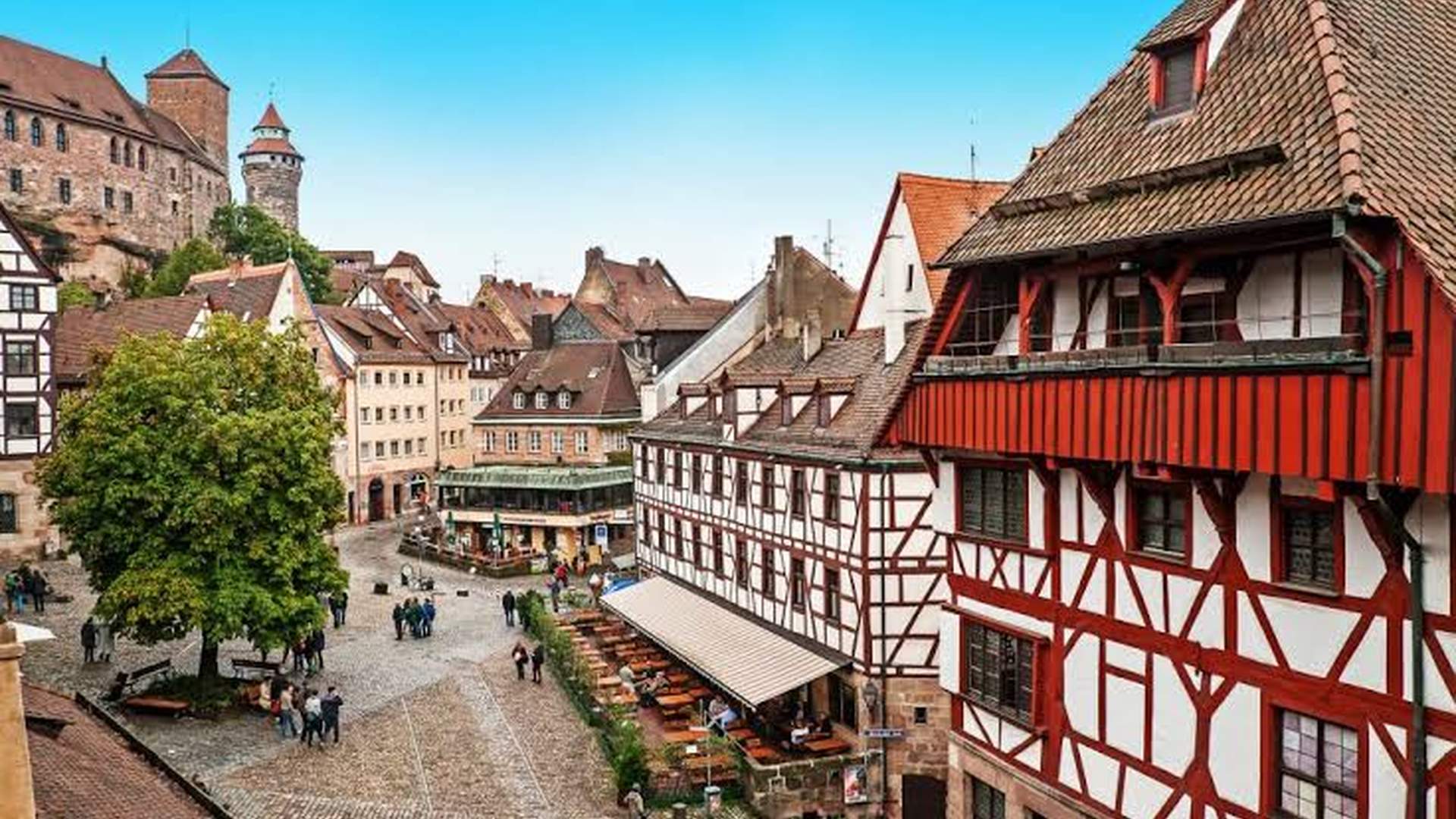
Arrival in the City of a Hundred Spires
Stepping off at Prague Hlavní Nádraží (Main Station), you’re greeted by a symphony of sounds: church bells, spitting espresso machines, and the chatter of tourists with maps in hand. But the real magic happens just ten minutes later. As you follow the footpath from the station to the city’s heart, you pass a cluster of 19th-century tenements painted in faded florals. Suddenly, you’re on the Charles Bridge. That first view—of the Vltava River snaking beneath the stone arches, of the statue of St. John of Nepomuk silhouetted against the morning light—is unforgettable.
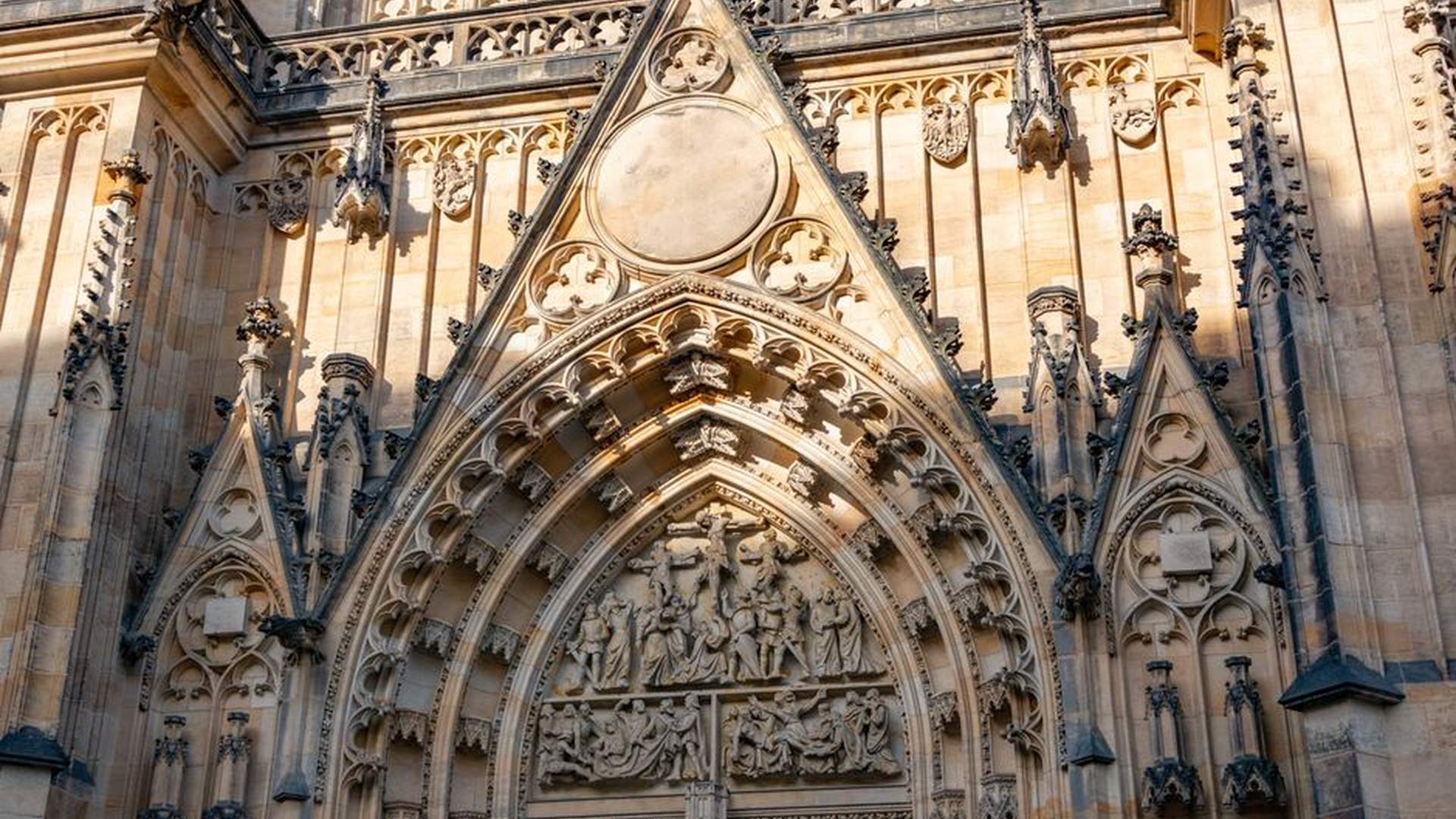
Don’t rush. Sit on the bridge’s edge, feel the cool stone under your palms, listen to the river’s murmur. This is where Prague doesn’t just welcome you—it invites you to pause. In that moment, the past isn’t distant. It’s here, in the texture of the stones, in the way the sunlight hits the spire of St. Vitus Cathedral across the way. The city does not announce its history loudly. It lets you find it.
Train Days and Hidden Stops
One of the most overlooked perks of rail travel isn’t the destination—it’s the way you see it. Many travelers focus on Prague as a stopover, but it’s worth planning a few extra hours to explore lesser-known towns along the route. Take the stop at Český Krumlov, for instance. Just an hour from Prague, this UNESCO World Heritage site is a dream in stone and stone-weathered wood. The town’s cobbled lanes, the 13th-century castle perched on a cliff, and the serene Malše River—it feels like stepping into a medieval painting. And the best part? You can reach it via a regional train with a ticket under $10. There’s no need for a rental car or airport transfer. You get the full experience, and you leave with a deeper sense of the region’s soul.
Another underused gem is Čáslav, a small town southwest of Prague. While most trains pass through without stopping, a few local lines do. Here, you’ll find the 14th-century Třeboň Castle and a cobblestone square that hosts a weekly market. It’s not on every map, but those who detour find a rare stillness—an antidote to the city’s bustling energy.
Practical Tips for a Smooth Rail Experience
You don’t need a passport to ride the train to Prague from neighboring countries, but it helps to have your travel documents handy. Most European rail operators now accept e-tickets through apps like Deutsche Bahn, ÖBB, or České Drahy. Save the QR codes to your phone’s wallet—you’ll thank yourself during check-in.
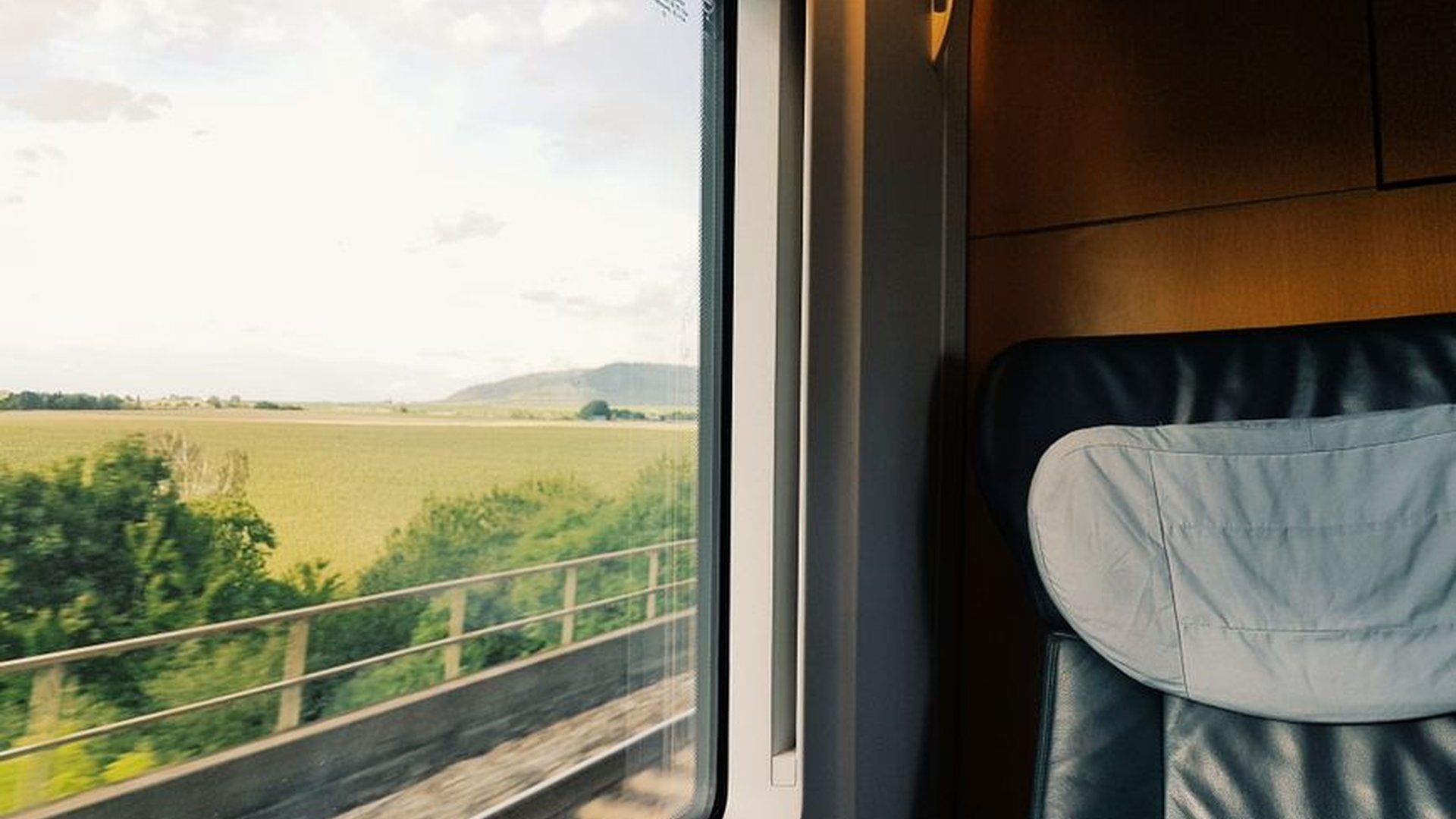
Seat selection matters. If you’re planning to nap or write in a journal, choose a window seat on the right side of the train (for westward journeys). The light hits at just the right angle, and you’ll get the best view of the countryside as the sun sets behind the hills. Also, pack a small travel pillow and noise-canceling earbuds—especially if you’re riding overnight from Berlin or Amsterdam.
And never skip the café car. While not all regional lines offer one, it’s worth checking the schedule. You’ll find local coffee, Czech pastries, and often a few travelers who’ll share the real story behind a Ukrainian village you passed five minutes ago. These moments—simple, unscripted—are what make train travel unforgettable.

Conclusion: Let the Rails Take You Back
Discovering Prague by train isn’t just about getting from point A to B. It’s a journey through time, geography, and memory. The creak of the rails, the scent of rye bread from a snack cart, the way the city unfolds like an old manuscript—these are the details that turn a trip into a story. Whether you’re a solo traveler seeking quiet, a couple exploring Europe’s romantic side, or a parent teaching kids about history through real places, the train to Prague offers something rare: a slow, respectful way to arrive. Because sometimes, the journey isn’t a means to an end. It’s the destination.