Embrace the Flow: How Vienna’s Public Transit Moves Gracefully
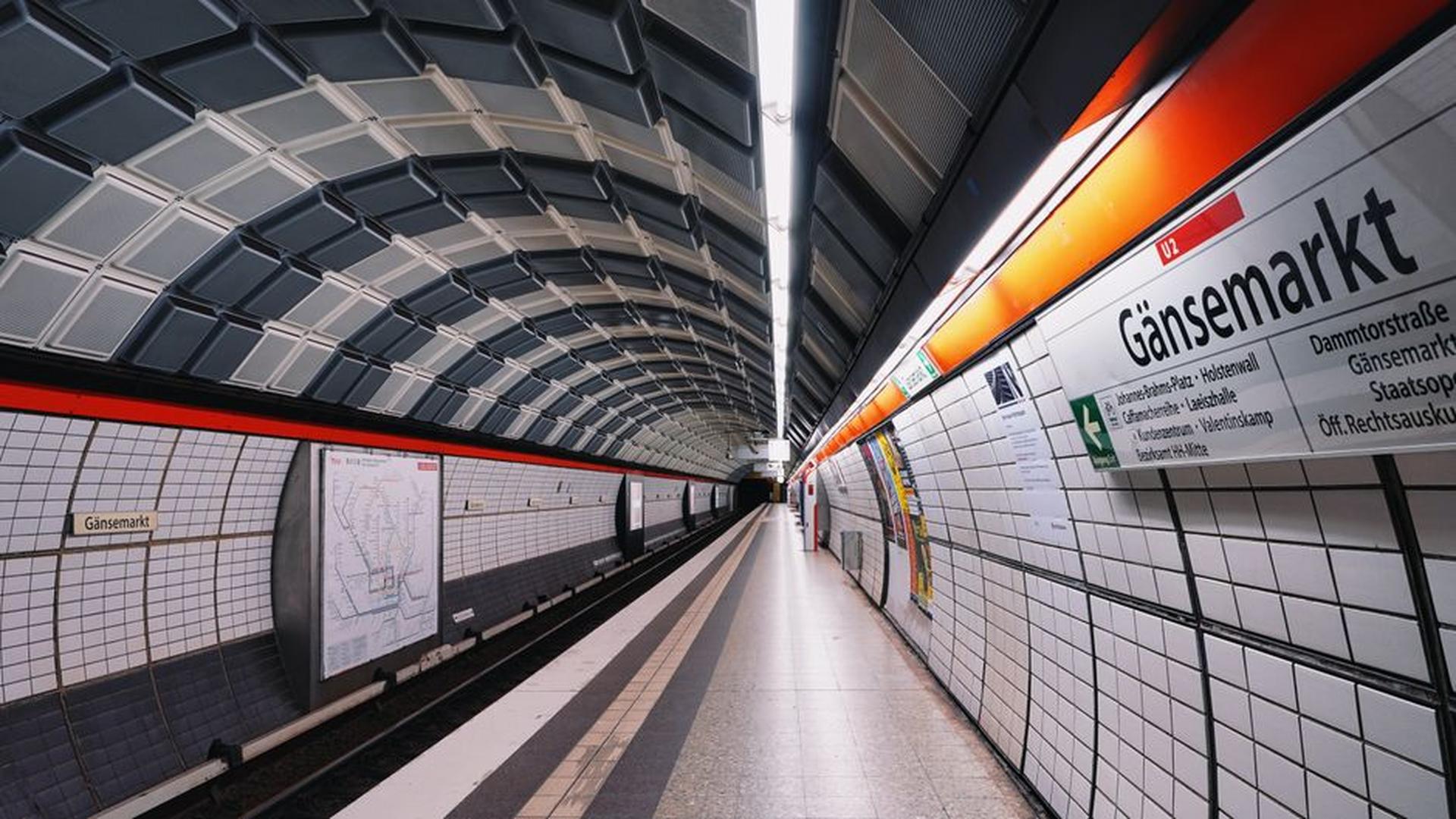
Vienna doesn’t just welcome visitors—it invites them into a rhythm of elegance, and nowhere is that more evident than in its transit system. As you step off the train at Wien Hbf, the city unfolds not with chaos, but with quiet precision. The U-Bahn (subway), S-Bahn (commuter rail), and trams glide through cobbled streets and tree-lined boulevards, carrying passengers like whispers through a grand symphony. For travelers seeking both efficiency and charm, Vienna’s public transportation is a masterclass in seamless urban design. A single ticket—valid across all modes—covers more than 700 bus and tram routes, plus the core subway lines. Whether you’re heading to the Belvedere Palace or the Naschmarkt, the system operates with a reliability that feels almost poetic. Don’t be fooled by the low hum of the tracks; every departure is on time, every stop clearly marked, and every transfer intuitively laid out. The result? A journey that feels effortless, not just functional.
Step Lightly: The Art of Exploring Vienna on Foot
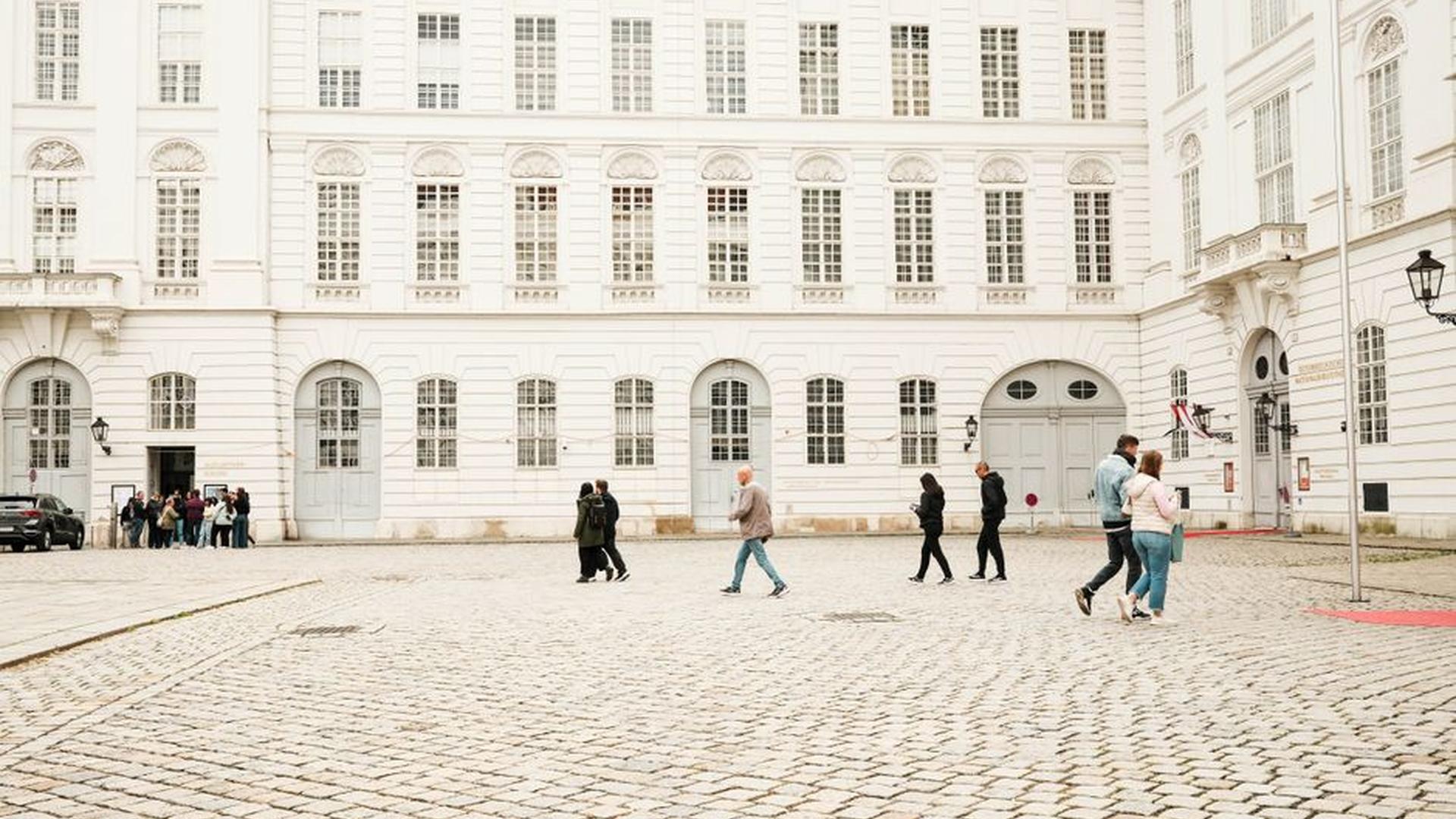
One of the most elegant ways to experience Vienna is on foot—where the city’s soul is most accessible. The heart of Vienna, from the Historic Center to the Ring Road, is built for walking. The city’s grid isn’t just practical; it’s a living map of history. Picture this: You begin your walk near St. Stephen’s Cathedral, threading through quiet lanes lined with 19th-century facades, then cross the Danube Canal to the district of Margareten. The moment you turn a corner, a Baroque balcony frames a distant spire. These aren’t just routes—they’re stories in motion. The city is designed to reward the patient walker: narrow alleys open suddenly into sunlit courtyards, hidden cafés beckon with the smell of fresh croissants, and at every turn, a new detail tells of Vienna’s layered past. The best part? You don’t need a map to get lost in a good way. Most major attractions are within a 20-to-30-minute walk from the city center, and the paved sidewalks are wide, clean, and hazard-free. So put on comfortable shoes, carry a light backpack, and let the city guide you—your feet will thank you.
Trams: The City’s Elegant Pulse
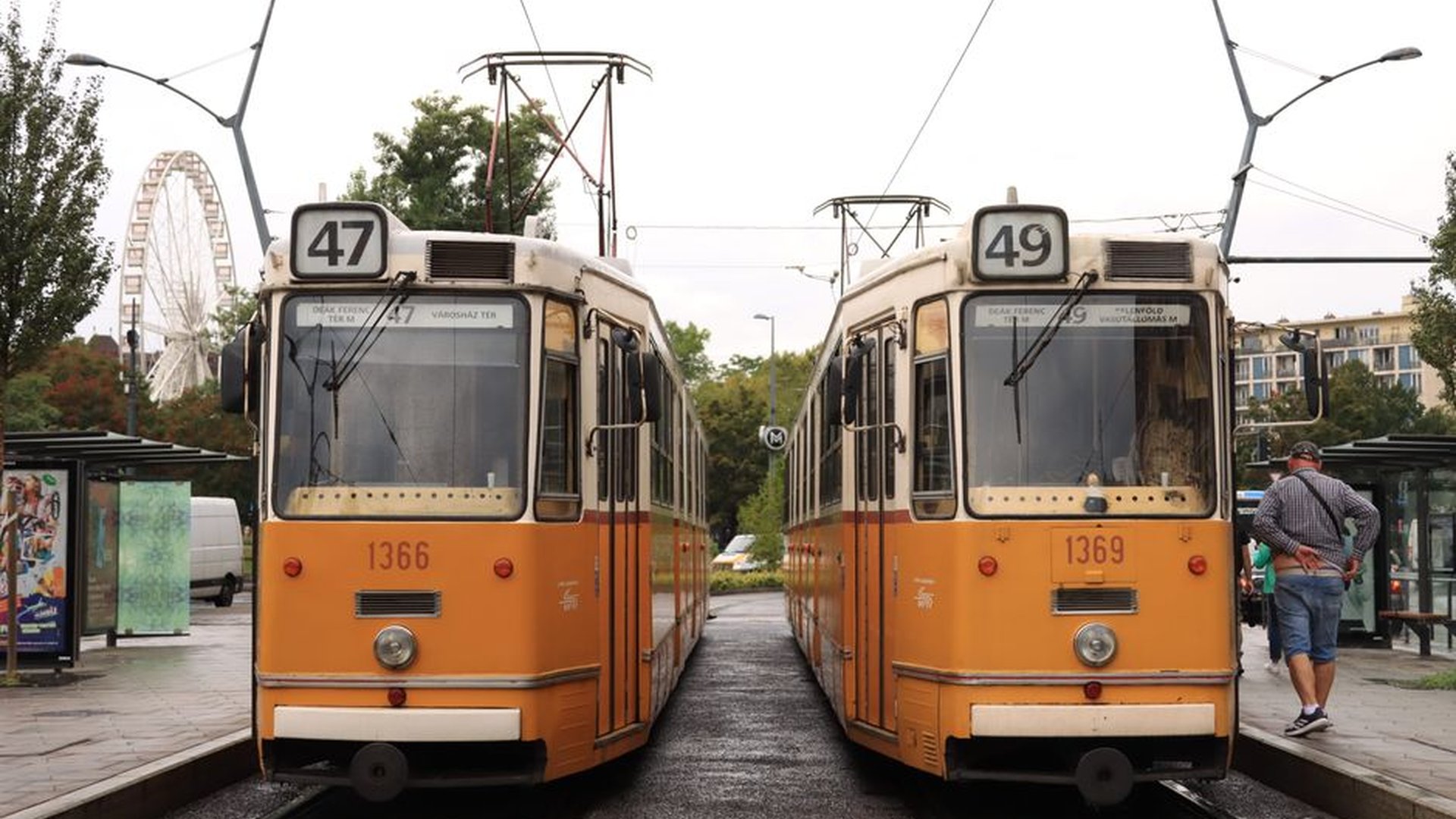
In Vienna, trams aren’t just a mode of transport—they’re a cultural artifact. With over 90 lines weaving across the city, they glide like silk through streets that have changed little since the Habsburg era. The most iconic is Tram Number 42, which runs from the Museum Quarter to the city’s edge, passing beneath the famous baroque arches of the Hofburg and past the sun-drenched gardens of the Prater. But it’s not just the routes that matter—there’s a quiet elegance in how they move. The low floor allows easy access for elders and strollers, and the sound of bells signals the tram’s arrival like a gentle chime. Many trams still retain original woodwork, brass handrails, and vintage signage, creating a travel experience that feels both modern and nostalgic. These aren’t just vehicles; they’re moving museums equipped with real-time digital displays, free Wi-Fi, and air conditioning. If you want to travel like a local—without the rush or the stress—take a tram. It’s not just a shortcut. It’s a statement.
Navigating Without Stress: Digital Tools and Local Hacks
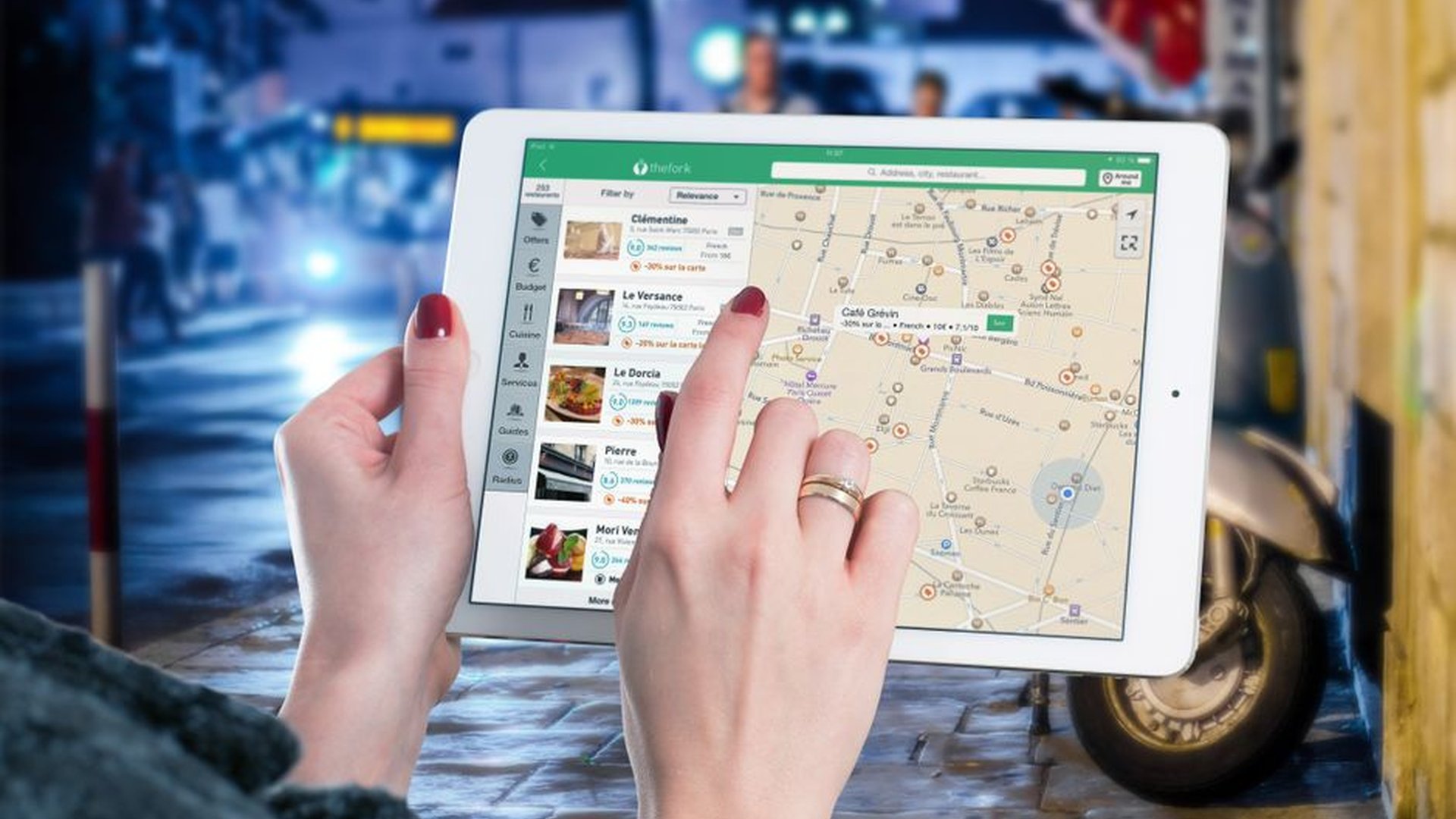
Modern travel demands smart tools, and Vienna delivers. The official city app, Wiener Linien, is a digital lifeline for tourists. It shows real-time departures, calculates optimal routes, and even suggests alternatives when a line is delayed. Best of all, it’s available in English—and works offline in case your data drops. But the real secret lies in the live updates: if a tram is running 2 minutes late, the app notifies you before you even reach the stop. For those who prefer old-school charm, pick up a printed itinerary at any subway station or tourist office. These laminated guides include not only timetables but also notes on seasonal closures and weekend service changes—details most visitors overlook. Another advanced tip: purchase a 7-day ticket at major stations, which includes unlimited rides and access to city museums on your first visit. It’s more than cost-effective; it’s a gift of time and freedom. With these tools, even first-time visitors can move through Vienna like navigators of old, but with the clarity of today’s smart technology.
The Hidden Rhythm of Vienna’s Streets
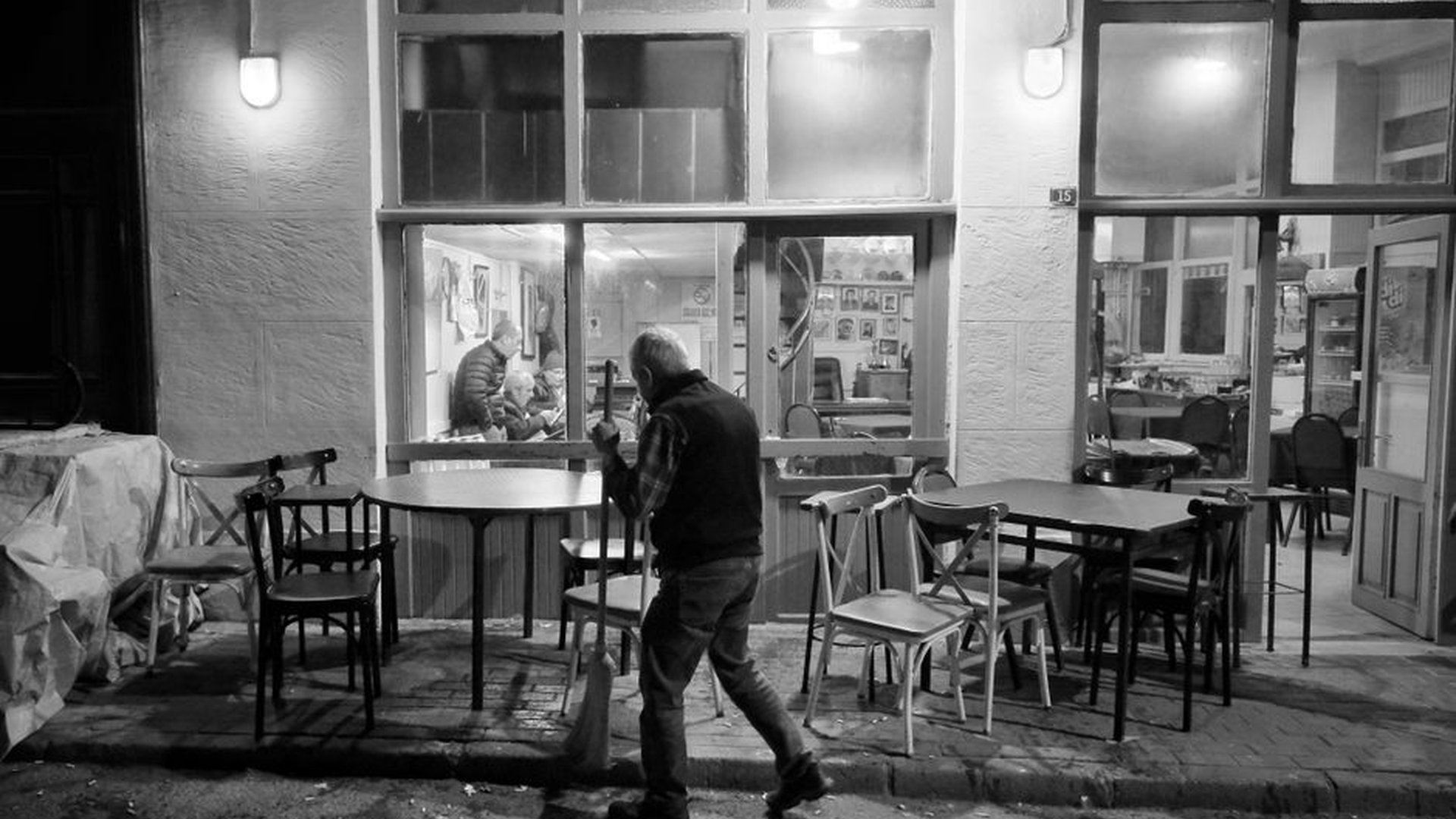
Vienna is not just a city of grand monuments and elegant architecture—it thrives in quieter moments. In the morning, the city stirs slowly: street sweepers glide along, café staff lay out tables, and the first trams begin their circuits. If you time your journey just right, you’ll catch that hushed beauty—the kind that no photo can capture. Walk past the Hofburg in late morning, when sunlight glints off the Austrian eagle on the gate. Or take a tram up to the edge of the Wienerwald, where the city’s edge gives way to forest trails. These aren’t just travel routes. They’re passages into another world—one where Vienna’s grace isn’t performative, but lived. Here, transit isn’t an end. It’s the beginning of a deeper experience. Whether you’re a traveler chasing culture or a wanderer seeking stillness, Vienna offers more than ways to move. It offers reasons to pause, to listen, and to feel the pulse of a capital that moves not with haste, but with intention.