Why Staying Connected is More Important Than Ever
Imagine this: you’ve spent two hours climbing a steep alpine trail, the air crisp, the view endless. You reach the summit, take a deep breath, and pull out your phone to capture the moment. But it’s dead. No signal. No battery. And you’re 12 miles from the nearest trailhead. That’s not just frustrating—it’s dangerous. In today’s world, being disconnected isn’t just an inconvenience; it’s a risk when you’re exploring remote nature. That’s why travel tech has evolved from luxury to necessity. Whether you’re hiking the Pacific Crest Trail or enjoying a weekend trek in the Rockies, smart digital tools aren’t just helpful—they’re essential for stress-free, safe, and truly memorable adventures.
Top 5 Must-Have Devices for the Trail
The right gear can turn a challenging hike into a smooth, well-managed experience. Here are five digital essentials every outdoor enthusiast should carry:
First, a rugged smartphone with a long-lasting battery. Look for models like the iPhone 15 Pro or Samsung Galaxy S24 Ultra with enhanced durability and extended battery life. These aren’t just for calls—they’re your GPS, camera, flashlight, and emergency contact hub all in one. Don’t forget a protective case and a portable power bank. A single 20,000mAh bank can charge your phone three times and keep you connected through a full day in the backcountry.
Second, a GPS-enabled handheld device like the Garmin Montana 650. While most people rely on their phones, these devices offer offline mapping, long battery life (up to 30 hours), and built-in satellite communication. If you’re heading into dense forests or mountain ranges where cell service vanishes, this isn’t a backup—it’s your primary navigation tool. I once used mine to retrace my steps after getting turned around near the Grand Canyon’s North Rim. No signal. No problem. My GPS knew exactly where I was.
Third, a compact solar charger. These aren’t just for backpackers on multi-day treks. Even a two-hour hike at 10,000 feet can drain a battery fast. Solar chargers like the Anker PowerWave Solar 20W fold into a lightweight, pocket-sized unit. Just place it on your pack, let it soak up sunlight for 45 minutes, and you’re good to go for another 300 photos or a full navigation session.
Fourth, a waterproof action camera. For those who love capturing the journey, the GoPro Hero 12 is unmatched. It records 5.6K video in tough conditions, syncs instantly with your phone, and survives drops, dust, and rain. I filmed my ascent up Yosemite’s Half Dome and later used the footage in a travel blog. The moment felt real because it was. The shot of me wiping sweat off my forehead at the summit? That’s the kind of memory no picture book can replace.
Fifth, a satellite messenger. Devices like the Garmin inReach Mini 2 allow two-way emergency messaging and location sharing, even in dead zones. They don’t need cell towers—just a satellite signal. This isn’t overkill; it’s peace of mind. I once sent a message from the top of Mount Whitney: “I made it. All good.” Within minutes, my family back home had a GPS update. That’s not just convenience—it’s safety.

Smart Prep: How to Use Tech Without Losing the Experience
The goal isn’t to replace nature with screens—it’s to use technology to protect you so you can truly experience the wild. That means planning ahead. Before you go, download offline maps (Google Maps, Gaia GPS), pre-load emergency contacts, and test your devices. Pack a spare battery and a basic first-aid kit. And always check your gear at home—don’t wait until you’re halfway up a mountain to realize your solar charger isn’t charged.
Set expectations too. Turn off non-essential notifications. Let friends know you’ll be offline for long stretches. Use your tech to record, not to distract. I’ve seen hikers zone out with their phone while standing at a waterfall. The view deserves more than a screenshot.
Many people mistake tech for indulgence. But here’s the truth: when used right, travel tech enhances authenticity. It doesn’t take you away from nature—it helps you stay safe enough to enjoy it fully.
Real Stories: Tech Saving the Day
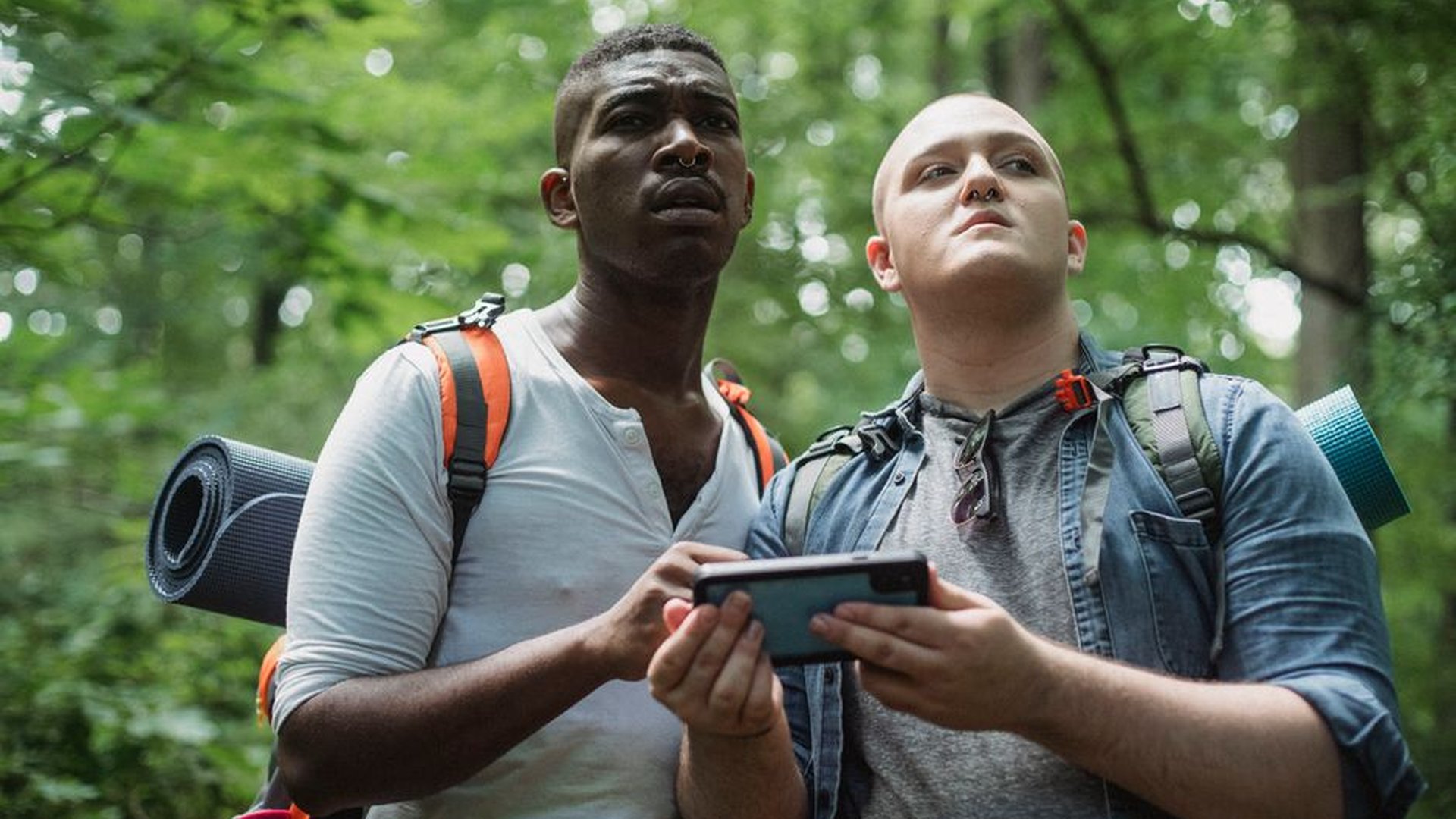
In 2022, a group of friends hiked the John Muir Trail in California. Halfway through Day 3, one hiker slipped on loose scree near the summit of Forester Pass. He broke his ankle. No cell signal. No way to call for help. But they had a Garmin inReach. They sent a distress signal with their GPS coordinates. Within two hours, a rescue team was en route. The hiker was airlifted to safety. Without that device, recovery would’ve taken days—and the outcome could’ve been much worse.
Another story: a solo hiker in the Wasatch Mountains lost her way during a sudden storm. Her phone died. But she had a pre-loaded map on her Garmin Montana. Using compass direction and GPS waypoints, she navigated back to her campsite, cold, wet, and exhausted—but alive. She later said, “That device didn’t just save my life. It gave me confidence I could handle the unknown.”
These aren’t just stories. They’re proof that the right tools can turn fear into control, panic into peace.
The Future of Outdoor Tech: What’s Next?
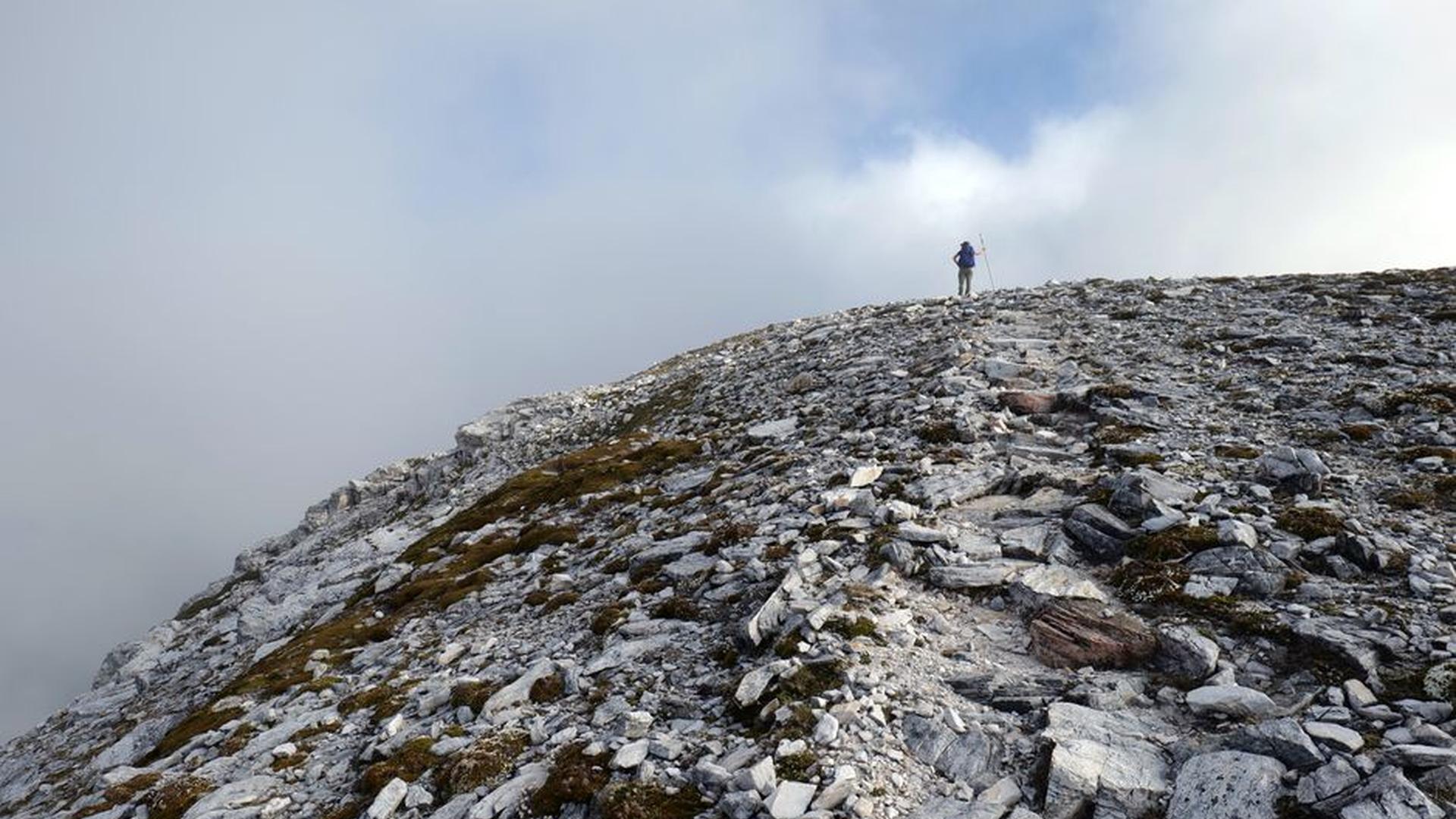
Technology is advancing fast. Look out for smart hiking poles with built-in GPS, wearable health monitors that track heart rate and altitude in real time, and AI-powered apps that predict weather shifts based on mountain conditions. Some devices now integrate with voice assistants, so you can say, “Find the next safe campsite,” and get an instant response.
But don’t rush to upgrade. Focus first on reliability. A device that works every time you need it is worth more than one with flashy features and weak performance. Always test your gear on short hikes before relying on it in remote areas.
Stay connected—not just to your phone, but to the world around you. Use tech not to escape, but to return—with clarity, safety, and a deeper respect for the places you explore. Because the best adventures aren’t just about getting to the top. They’re about coming back, whole and ready for the next one.