Prepare for the Unexpected
Africa’s wild landscapes are as unpredictable as they are breathtaking. Whether you’re tracking lions in the Serengeti or spotting elephants along the Okavango Delta, your safari experience depends not just on passion but on preparation. The right gear can turn a challenging journey into a seamless adventure. Many first-time travelers assume a safari is simply about staring through binoculars and snapping photos. But it’s more than that—your packing choices directly impact comfort, safety, and your ability to fully engage with nature. The dry savannas, shifting temperatures, and unpaved roads mean you need gear that performs under pressure, not just looks good in a travel post. Think smart, think practical, and think ahead.
Layer Your Clothing Strategically
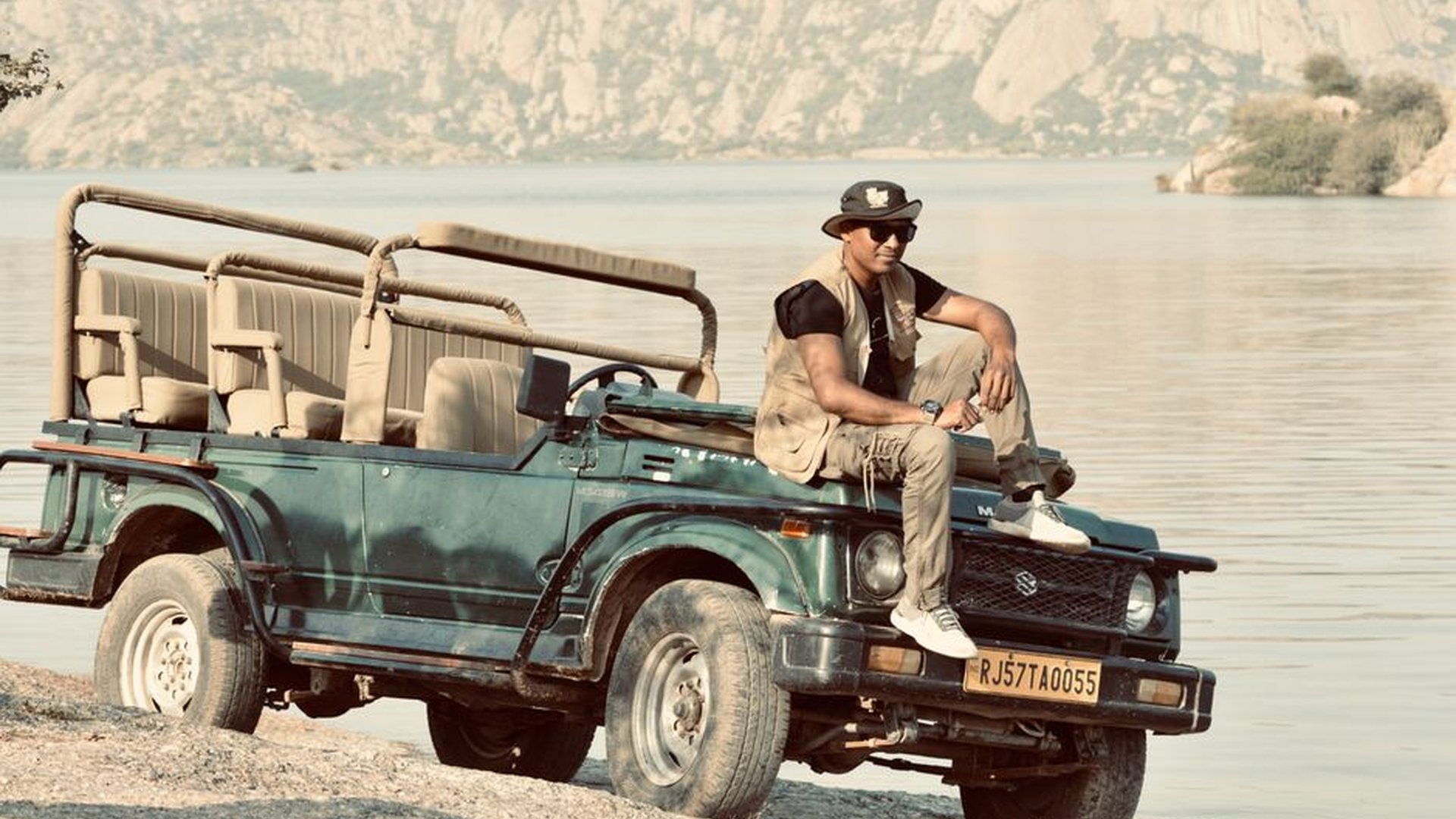
One of the most common mistakes new safari-goers make is overpacking or under-packing clothing. The truth? The real secret lies in smart layering. Africa’s climate swings drastically from early morning chill to 35°C (95°F) heat by midday. A single lightweight jacket isn’t enough. Instead, build a base of moisture-wicking merino wool or synthetic shirts. These materials keep sweat away from your skin and dry fast—critical when you’re on game drives that stretch from 6 a.m. to 7 p.m. Layer with a long-sleeve button-up shirt in neutral tones (think khaki, beige, or olive). These not only block UV rays but also help you blend in with the bush, making your presence less intrusive to wildlife.
Don’t forget your outer shell: a windproof, water-repellent jacket is essential. Even if it’s not raining, a sudden storm can roll through the savanna. A good rain jacket folds into a small pouch—easy to toss into your bag. Throw in a lightweight thermal hat for colder mornings, and pair everything with durable, breathable hiking pants. Avoid cotton—once wet, it stays wet and increases your risk of chills. Instead, go for quick-dry fabrics that move with you, not against you.
Camera Gear That Captures the Moment
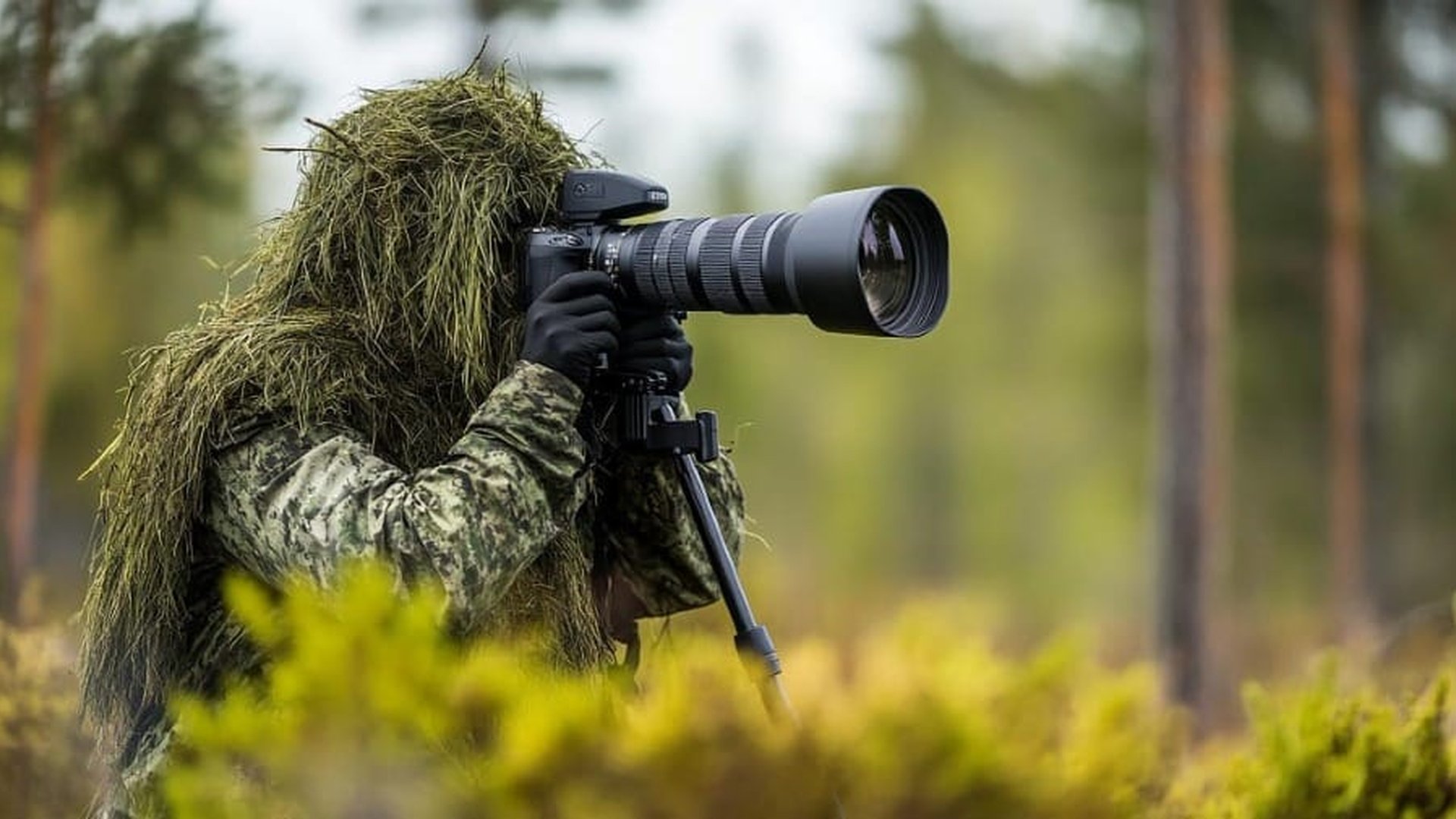
Safaris are dreamscapes made real—the roar of a lion at dusk, a giraffe stretching its long neck across the tree line, a family of cheetahs resting in the shade. To preserve these fleeting images, your camera setup must go beyond your smartphone. A DSLR or mirrorless camera with a telephoto lens (70–200mm) is ideal for capturing animals from a safe distance without disturbing them. But even if you’re not a pro, a compact, high-resolution point-and-shoot with image stabilization will serve you well.
Carry at least two memory cards and a spare battery. Power outlets are rare in campgrounds and lodges. You’ll be filming for hours, and losing a moment because of a dead battery is heartbreaking. Use a neck strap to keep your camera secure during bumpy 4×4 rides on sandy tracks. And don’t skip a lens cloth—dust is everywhere. A microfiber cloth and a small lens blower kit can keep your images sharp and your gear in pristine condition.
Stay Protected from Elements and Insects
Africa’s sun is no joke. Even during the shoulder season, UV exposure is intense. You’ll need a broad-spectrum sunscreen with SPF 50 or higher—apply it every morning and reapply after swimming or sweating. A wide-brimmed hat, preferably with a neck flap, offers extra protection for your face and neck. Wear sunglasses with UV protection: not just for style, but to reduce glare while scanning the horizon for movement.
Insect protection is equally critical. Mosquitoes carry malaria, so pack a high-quality repellent with DEET or picaridin. Use it every evening and at dawn when insects are most active. A light, long-sleeved shirt worn over your base layer not only adds warmth but also creates a physical barrier against biting bugs. At night, use a mosquito net if you’re staying in a tent, and tuck it under your mattress to keep pests out. Some lodges provide repellent, but never rely on it—always bring your own.

Essentials Beyond Clothes and Gear
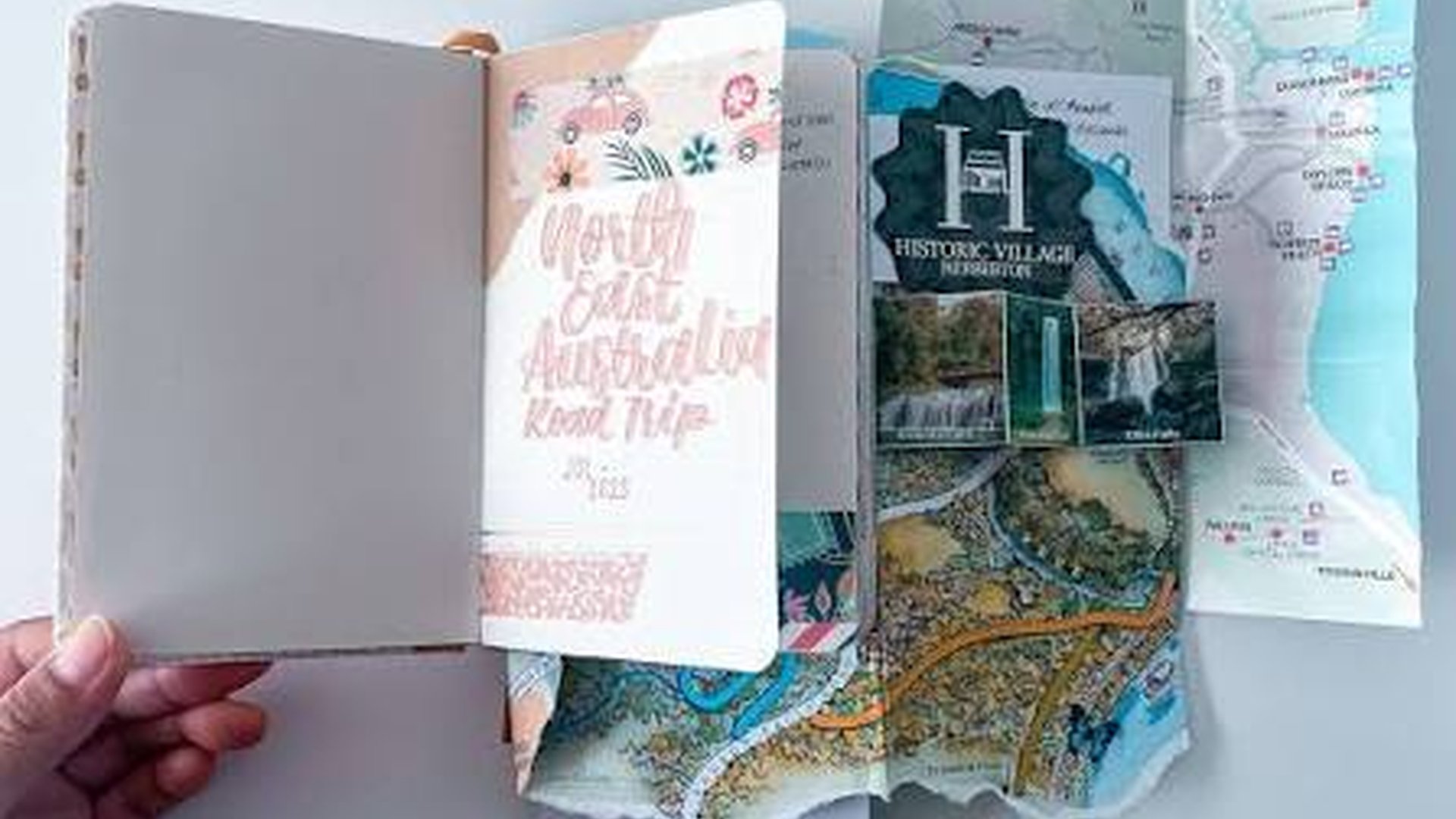
Now let’s talk about what people often forget: the small items that hold big importance. A good travel pillow is a game-changer when you’re bouncing along dirt roads for hours. Your back will thank you. Pack a small notebook and pen—you’ll want to jot down thoughts after a morning spent watching a pride of lions move silently through the grass. A reusable water bottle saves money and reduces plastic waste. Fill it at safe water stations along the way.
Don’t underestimate the power of a good book or an e-reader. Long waits between game drives, or quiet evenings under the stars, are perfect for reading. Choose something light—nature essays, travel memoirs, or short stories—nothing heavy. And if you’re connecting to Wi-Fi, a portable charger with a power bank is a must. You’ll need it for photo transfers, GPS updates, and emergency calls.
Finally, consider your health. Bring a basic travel medicine kit: antihistamines, painkillers, anti-diarrheal tablets, and a rehydration pack. Some areas have limited medical services. Knowing you’re prepared gives peace of mind. Check with your doctor before you go—some regions require vaccinations like yellow fever or typhoid.
Final Thoughts: Your Adventure Begins with a Plan
What to pack for a safari adventure in Africa isn’t about filling a suitcase with everything you own. It’s about intention. Every item you pack should serve a purpose—whether it’s protecting you from the sun, helping you capture a lasting image, or simply keeping you comfortable during long hours in a 4×4. The best safari memories aren’t made from expensive gear, but from moments you’re truly present for. When you’re not worrying about missing something, you can watch a cheetah sprint across the plain and feel the heartbeat of the wild. That’s the real reward.