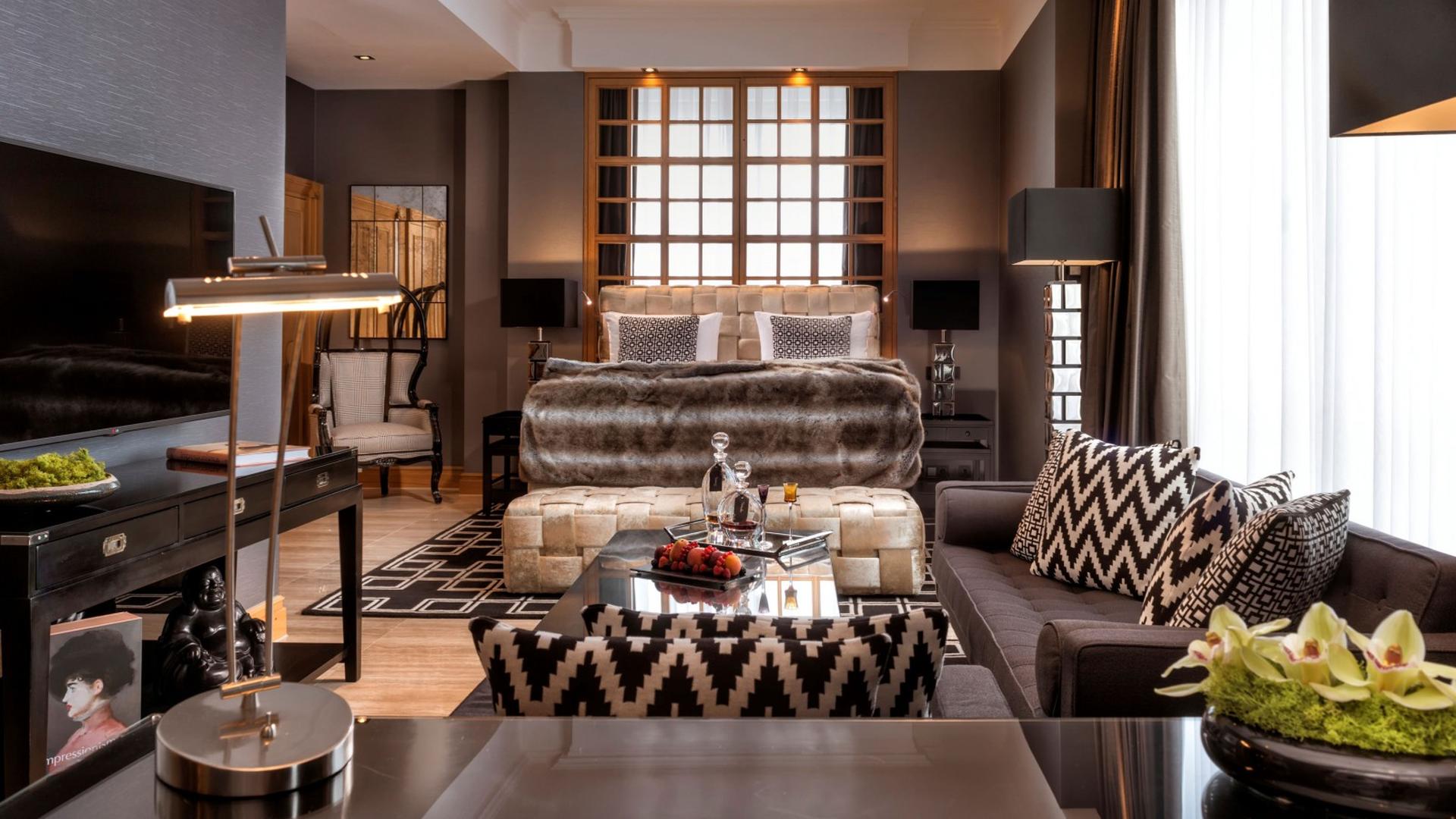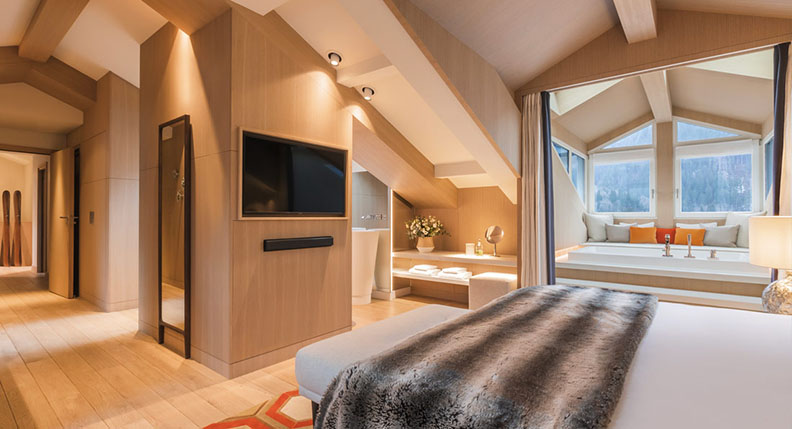
Live Like a King in Europe’s Grand Historic Hotels, where every corridor whispers centuries of elegance and every room feels like a scene from a cinematic epic. These aren’t just hotels—they’re time capsules of power, prestige, and design, offering more than a place to sleep. They offer a passport to royalty, even if just for a single night.
The Grandeur of the Past, Reborn in Comfort
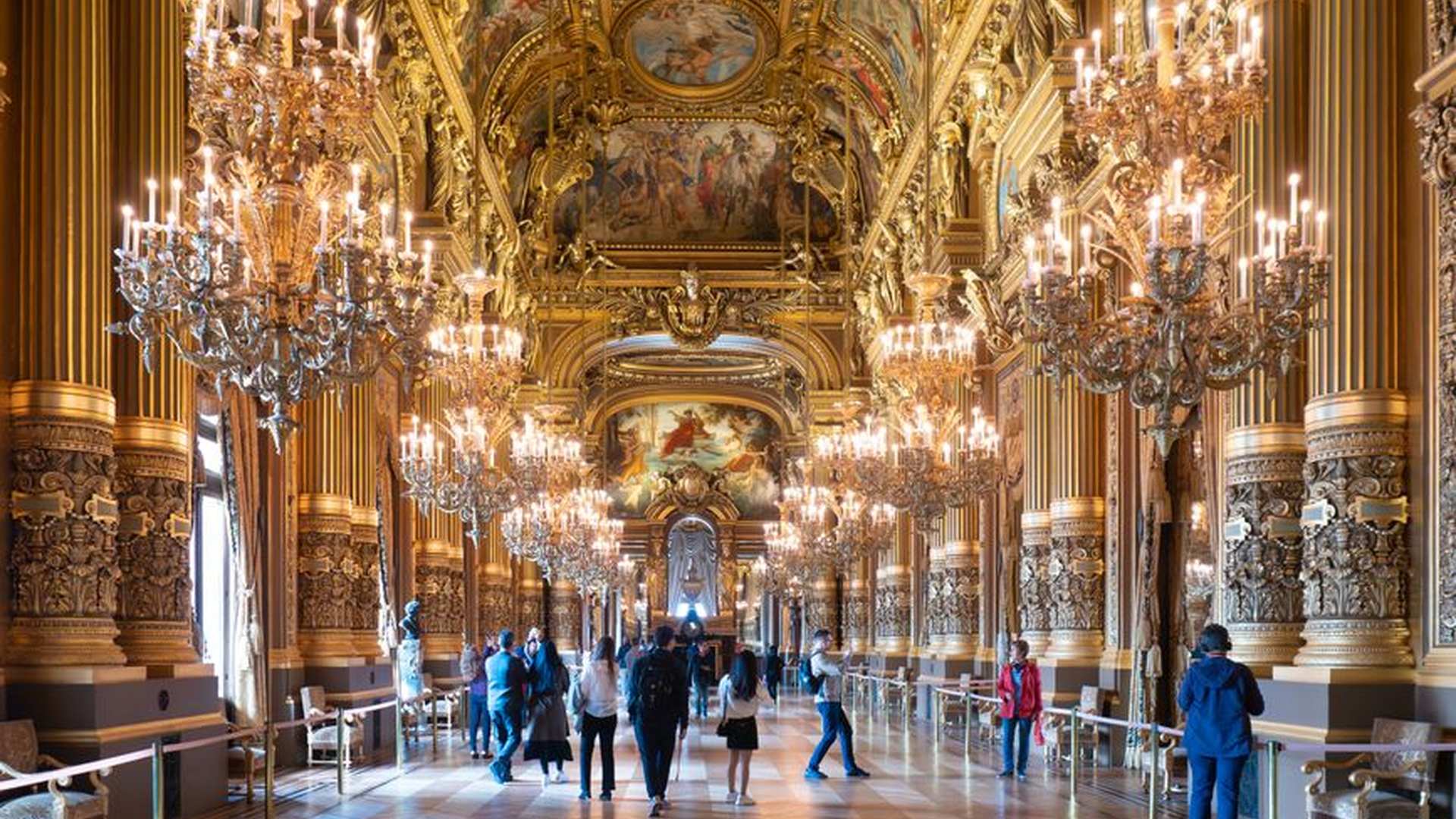
Walking into a historic luxury hotel in Europe is like touching history with your fingertips. Take the Hotel de Crillon in Paris—nestled near the Arc de Triomphe, this 18th-century palace once hosted royalty and revolutionaries. Today’s guests step into gilded salons, marble-floored lobbies, and chandeliers that seem to have been lit since Napoleon’s era. The air is thick with the scent of aged wood, fresh linens, and the faint echo of old ballrooms. It’s no exaggeration to say that your stay here isn’t a vacation—it’s a roleplay in the life of a European noble.
What makes these stays magical isn’t just the opulence, but the authenticity. The original 17th-century frescoes are still on display. The rooms were meticulously restored using archival photographs, not budget-friendly replicas. That means when you open the door to your suite, you’re not just checking in—you’re slipping into a historical moment.
Where Castles Become Resorts
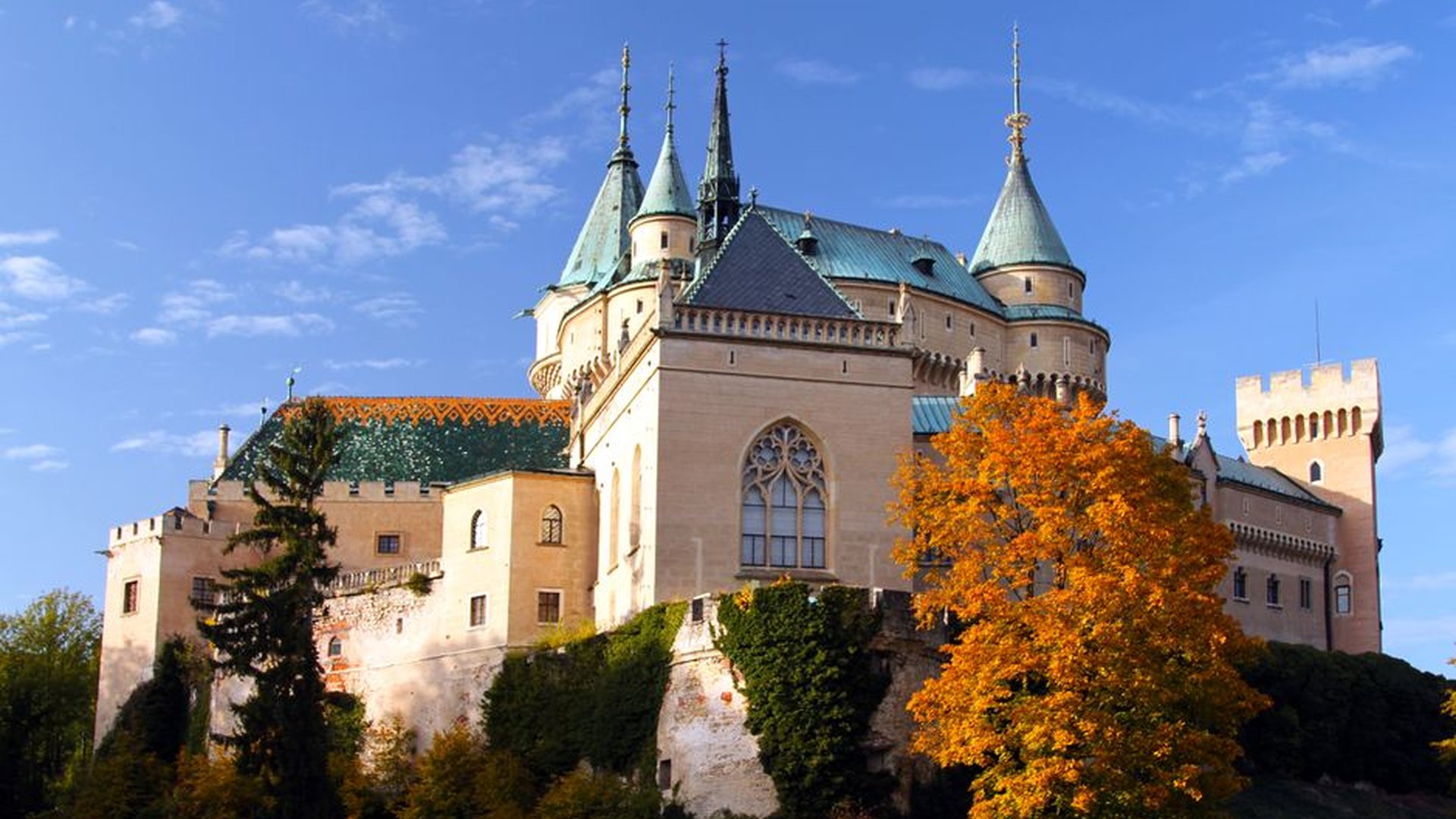
Not all palaces are museums. In Austria, the Schloss Hof, once a summer residence for the Habsburgs, now opens its golden gates to guests. The transformation is stunning: 700 rooms, 16th-century tapestries, and a 2-kilometer-long garden path that leads to a baroque-style fountain. What truly sets it apart, though, is the daily ritual of pouring tea into porcelain from the old royal collection. Guests are given a moment each morning to pause and reflect—not on the view, but on the legacy.
In Spain, the Hotel Palacio de la Florida in Granada offers a different kind of grandeur. This 15th-century Moorish palace, once a private residence for a Spanish noble, now features hand-painted tiles, domed ceilings, and a courtyard so serene it feels like a secret. As you sip a local sherry in the private lounges, you’re not just enjoying a drink—you’re experiencing a cultural shift, from the Moorish past to the Castilian present.
These places aren’t merely hotel chains. They’re living monuments, where every walk, every glance, every menu item carries a story. You’re not just paying for a room—you’re investing in an experience that lingers long after check-out.
Luxury That Doesn’t Forget the People
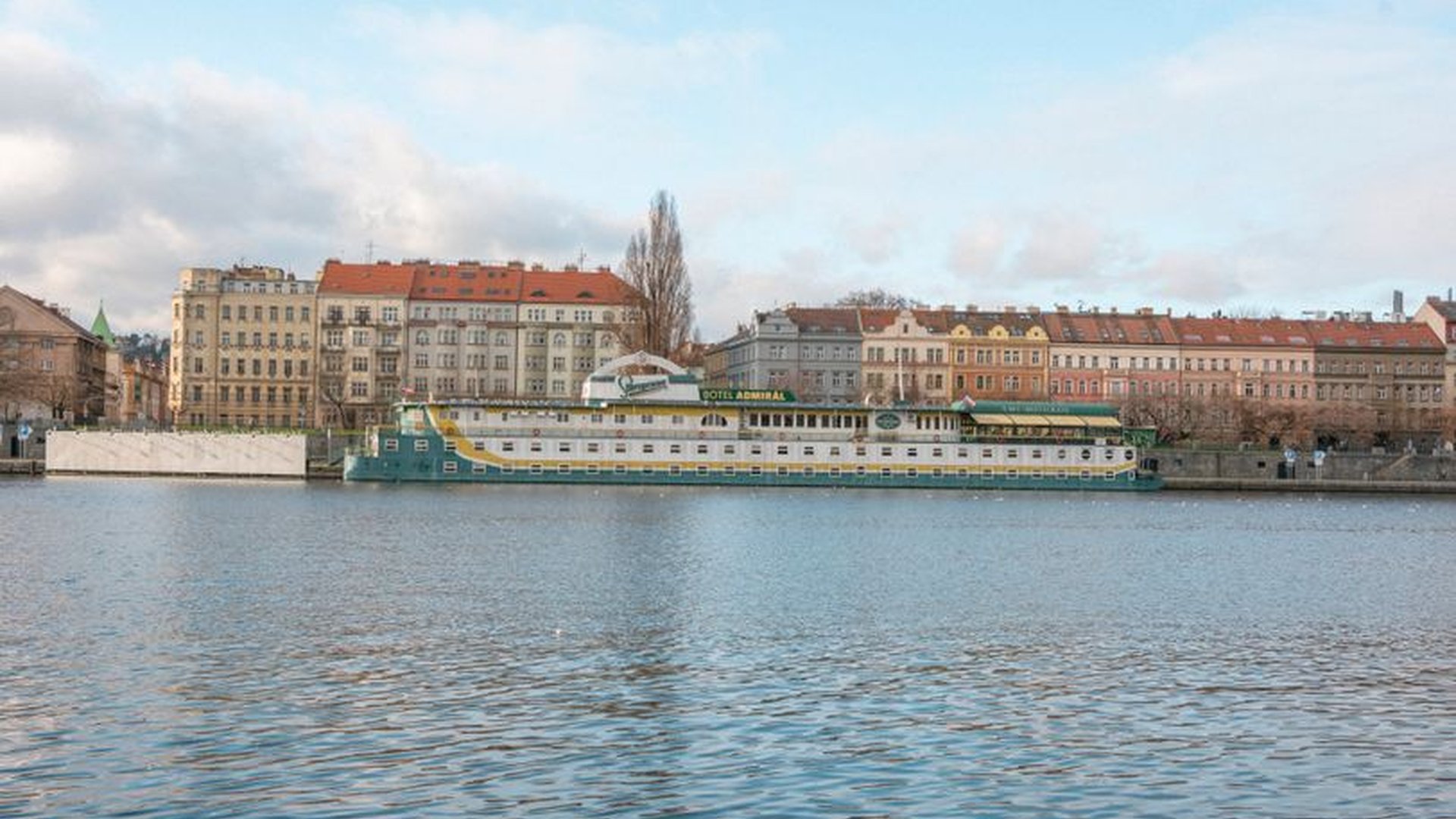
What truly elevates historic luxury hotels is their social awareness. Unlike generic five-star resorts that feel isolated from local culture, these institutions are deeply rooted in their communities. In Prague, the Grand Hotel Bohemia, built in 1891, isn’t a relic—it’s a hub. The hotel’s restaurant uses local farmers’ produce, its maintenance team is trained in historic building preservation, and the front desk staff often share personal anecdotes about the city’s past.
Even the staff wear traditional uniforms, not for costume, but as a sign of respect. When a concierge in Vienna delivers a letter to your suite written in old German script, it’s not a gimmick. It’s a gesture—an effort to preserve and pass on tradition. That level of cultural stewardship makes staying here more than indulgence. It becomes a responsibility, a quiet way to honor the people who built these monuments.
How to Choose Your Royal Stay
Not every historic hotel lives up to the dream. Some have been commercialized, losing their soul to overuse. To find the real gems, focus on three elements: authenticity, transparency, and context.
Authenticity means checking if the hotel has official heritage status—look for UNESCO, national monument, or national heritage listing. Transparency refers to how much detail the hotel shares about its past. A strong website with archival photos, written histories, and staff-trained docents is a good sign. Finally, context: Is the hotel embedded in local life, or does it feel like a museum in a bubble? The best ones invite guests to walk, dine, and even participate in local events.
For example, in Florence, the Hotel Savoy isn’t just a relic—it hosts monthly art exhibitions in its original ballroom, using a 13th-century fresco as backdrop. These aren’t performances. They’re part of the hotel’s cultural mission. Staying here is not passive. It’s engagement.
A Night to Remember
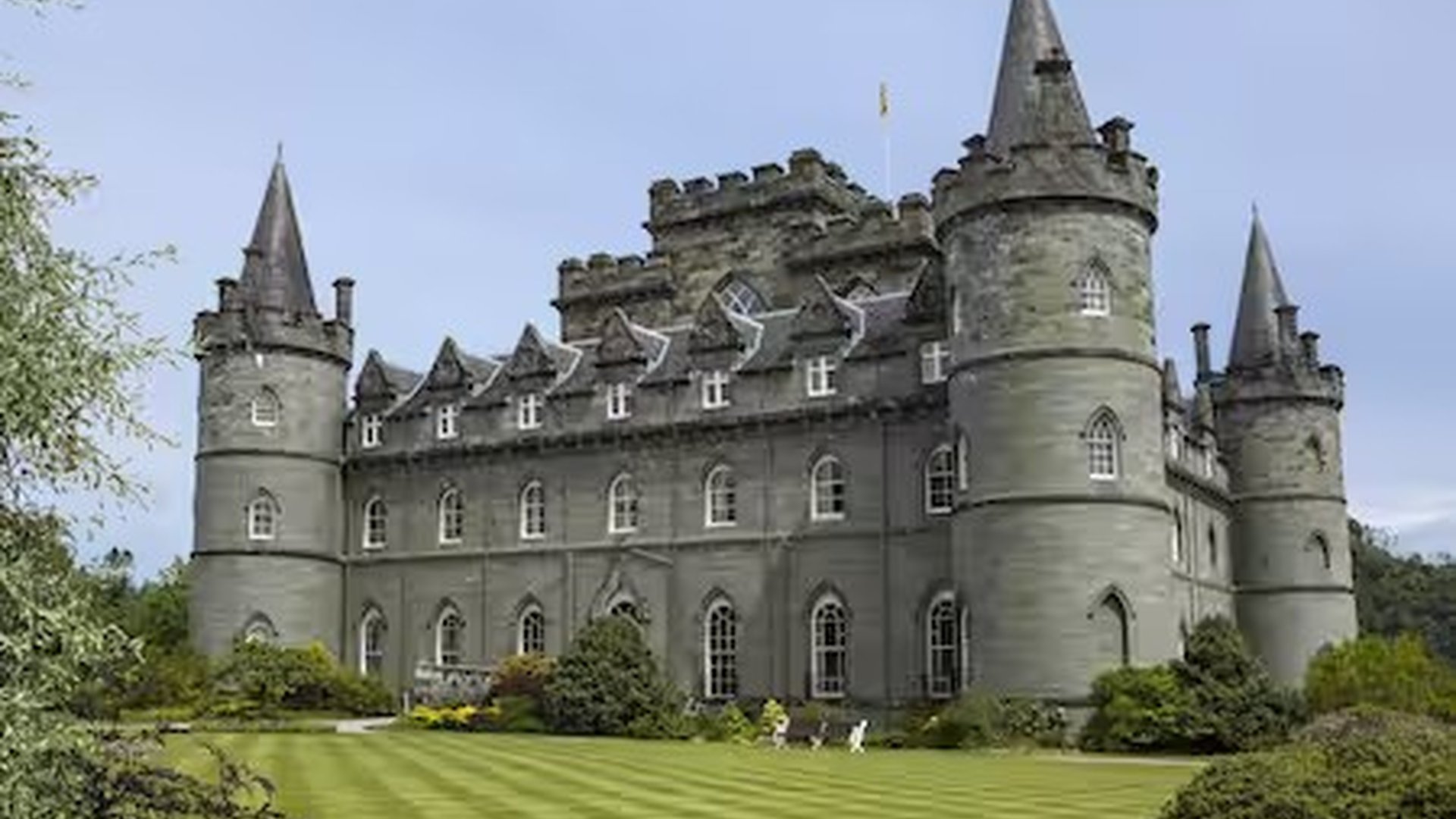
Imagine waking up in a suite at the Neresheim Palace in Germany. Sunlight filters through 18th-century stained glass. The mattress is made from hand-stitched English wool, the pillows stuffed with organic down from local farms. Breakfast is served on silver trays, not plastic trays. You order the eggs with truffle oil and wild mushrooms, and the waiter says, ‘The chef says they’re from our own garden.’
This isn’t fantasy. It’s a real moment, captured in real time. And it’s within reach. With thoughtful planning, you can book a stay in Europe’s most iconic historic hotels—without needing a royal title.
So if you’ve ever dreamed of walking through a palace, sleeping in a room that once hosted diplomats and kings, or sipping wine under a dome painted by a master from 1700, now is the time. Your journey into elegance, heritage, and unexpected luxury is not far off. All you need is a sense of wonder—and the courage to say, ‘Yes, I’ll live like a king, if only for a weekend.’