Traveling to the great outdoors is one of life’s most rewarding experiences. Whether you’re chasing alpine vistas in the Swiss Alps or hiking through the misty forests of Oregon’s Columbia River Gorge, the journey begins long before your boots touch the dirt. The ultimate travel planning checklist before your trip isn’t just a to-do list—it’s your roadmap to confidence, comfort, and unforgettable moments.
Confirm Your Documentation and Permits
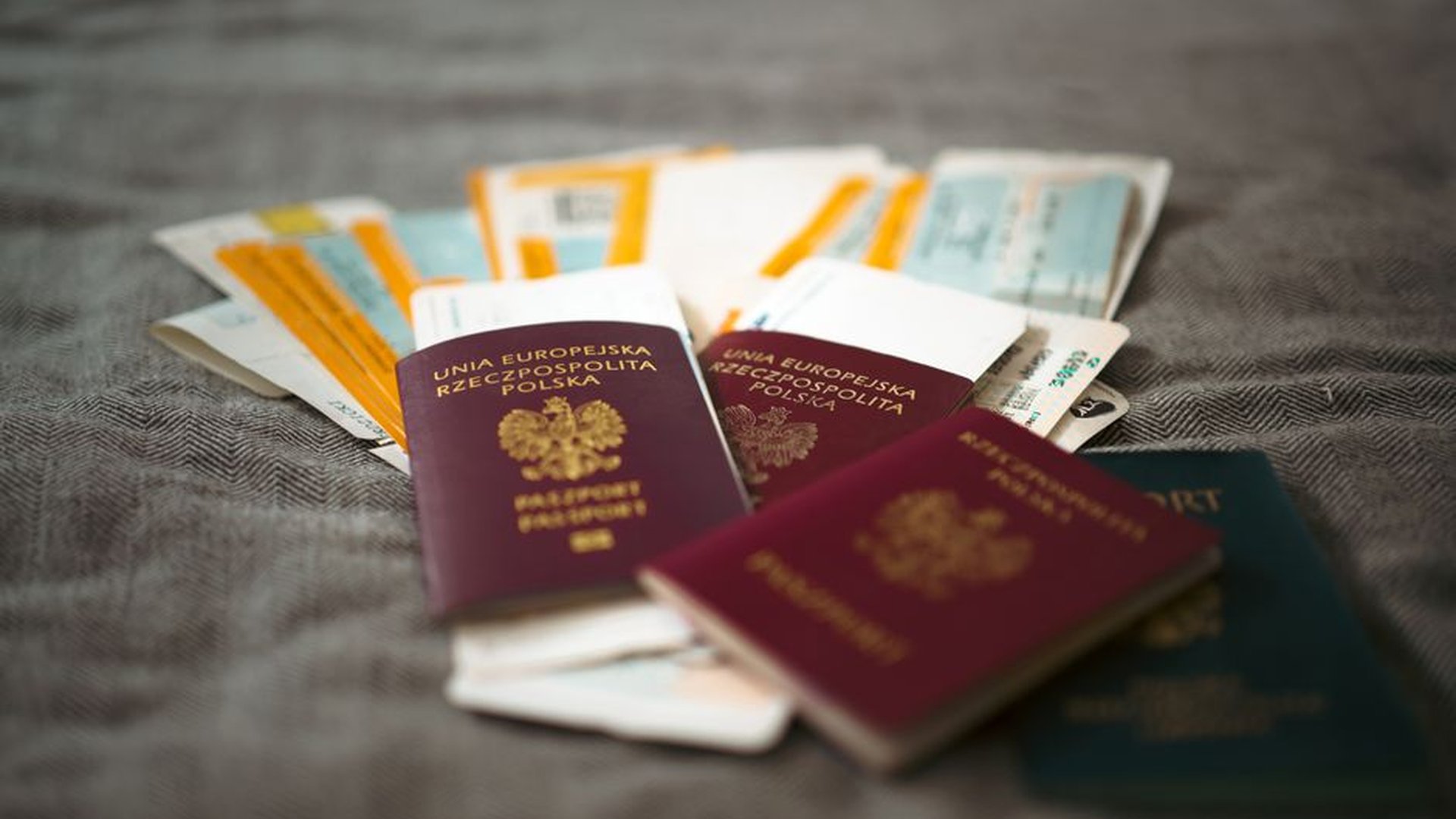
Before you pack your backpack, make sure your travel documents are in order. This is the foundation of any successful journey. Start with your passport—double-check the expiration date. Many countries require your passport to be valid for at least six months beyond your departure date. For international trips, don’t overlook the visa process. A few hours spent researching visa requirements in advance can save you from being turned away at the border.
If you’re hiking in national parks or protected wilderness areas—like Yosemite, Banff, or Fiordland—permits are often required. These range from wilderness permits for backcountry camping to regulated access for sensitive trails. In 2023, a group of hikers in Colorado was turned away from the Maroon Bells trail simply because they hadn’t reserved a permit. Their trip was beautiful, but their journey was cut short by a missing form. Avoid that stress by checking official park websites at least four weeks before departure.
Prepare Your Gear Based on Terrain and Weather
The nature of your hike determines the gear you need. A 3-mile loop in the Blue Ridge Mountains demands different equipment than a multi-day trek across the Andes. Start by researching the region’s climate patterns. Check historical weather data for the time of year you’re visiting. In late summer, the Pacific Northwest sees sudden rainstorms that turn trails into slippery mudslides. A lightweight rain jacket and waterproof boots could mean the difference between a scenic walk and a dangerous slip.
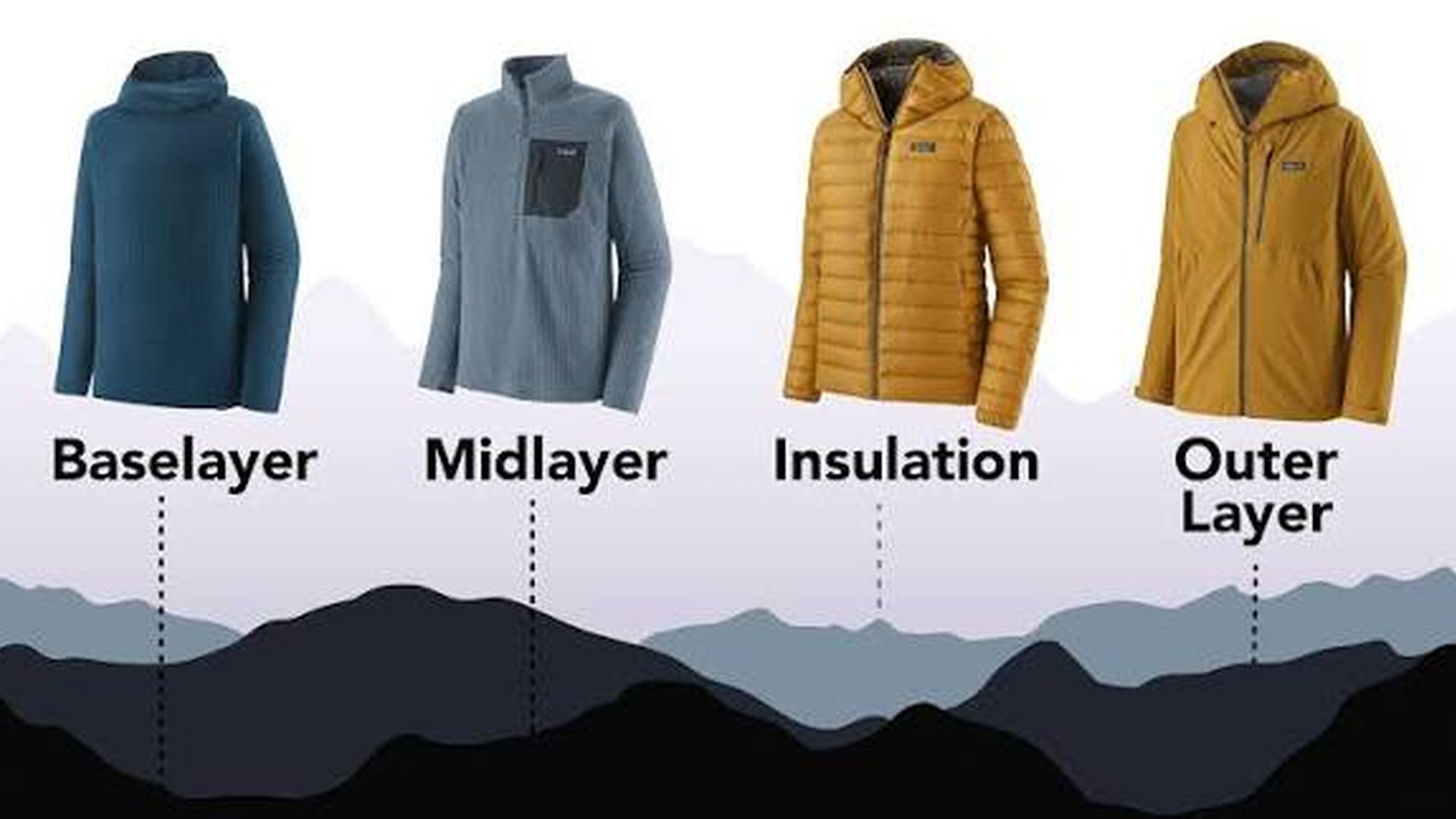
Pack layers. A base layer for moisture wicking, a mid-layer for insulation, and an outer shell for wind and rain. Many hikers underestimate the importance of proper foot care—bring extra socks, blister pads, and consider using foot powder to prevent hotspots. Don’t forget your headlamp. Even if your hike is scheduled for daylight, storms can roll in fast. I once got caught in a sudden fog on the Appalachian Trail and walked three hours back to camp using only my headlamp. That one item made all the difference.
Plan Your Route with Real-Time Tools and Local Knowledge
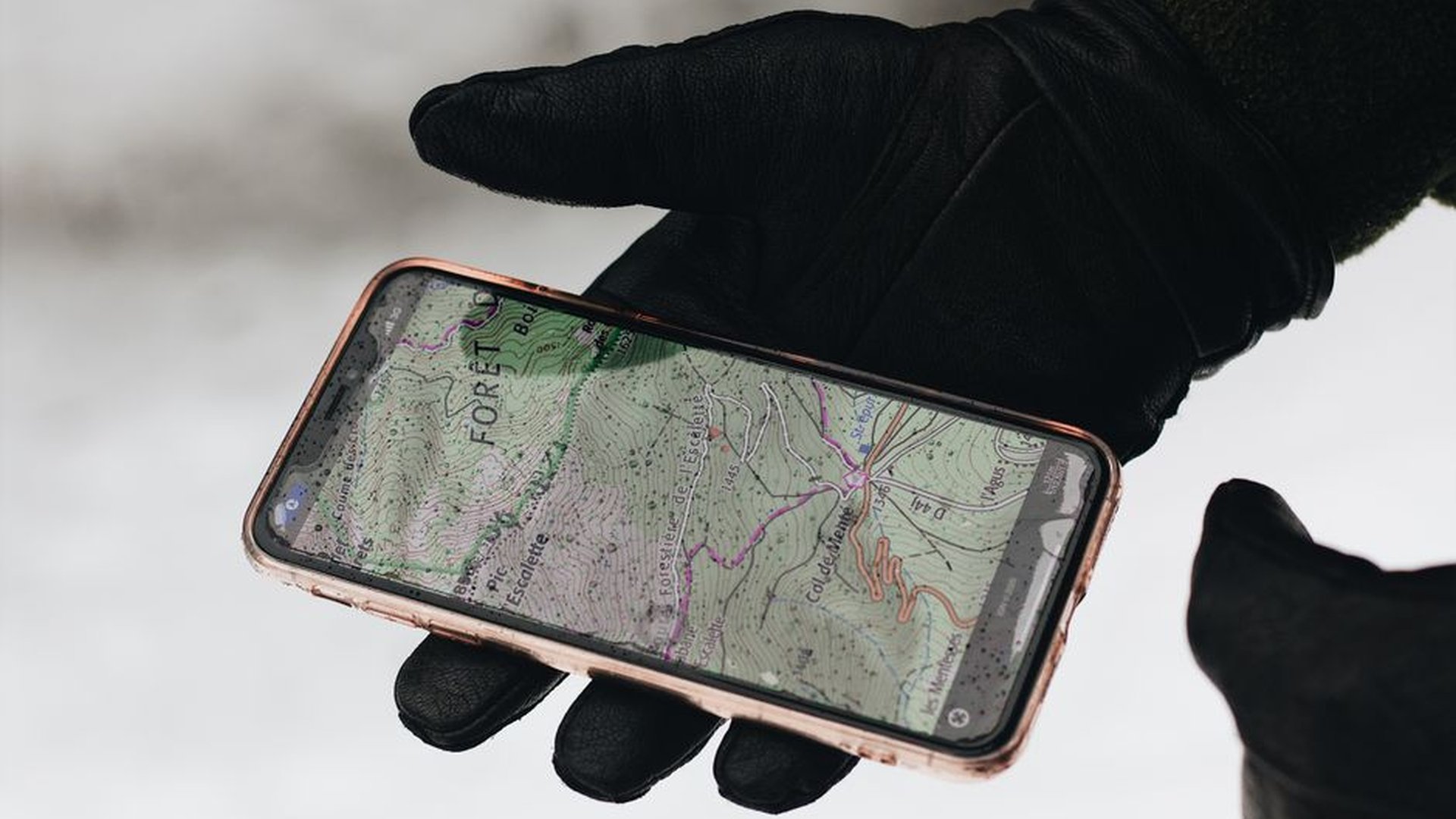
Your map isn’t just paper. It’s your lifeline. Use apps like Gaia GPS, AllTrails, or the free National Park Service maps to plan your route. These tools offer real-time updates, elevation profiles, and crowd-sourced trail reports. For example, a hiker in Patagonia used AllTrails to reroute around a snow-covered section of the Torres del Paine Circuit, avoiding a dangerous avalanche risk.
But don’t rely solely on technology. Local guides and ranger stations often hold crucial details—like seasonal trail closures, animal activity, or recent rockfalls. In 2022, a couple hiking in Zion National Park used a ranger’s tip to avoid a steep section with failing rock anchors. Their backup plan saved them from a potential fall.
Always share your itinerary with someone back home. Take a picture of your planned route and send it to a trusted friend. This simple act can trigger a rescue if you don’t check in.
Stay Healthy and Ready for Emergencies
Physical readiness is just as important as gear. Prepare your body for the demands of the trail. Begin conditioning at least eight weeks in advance—start with short hikes and gradually increase your distance and elevation gain.
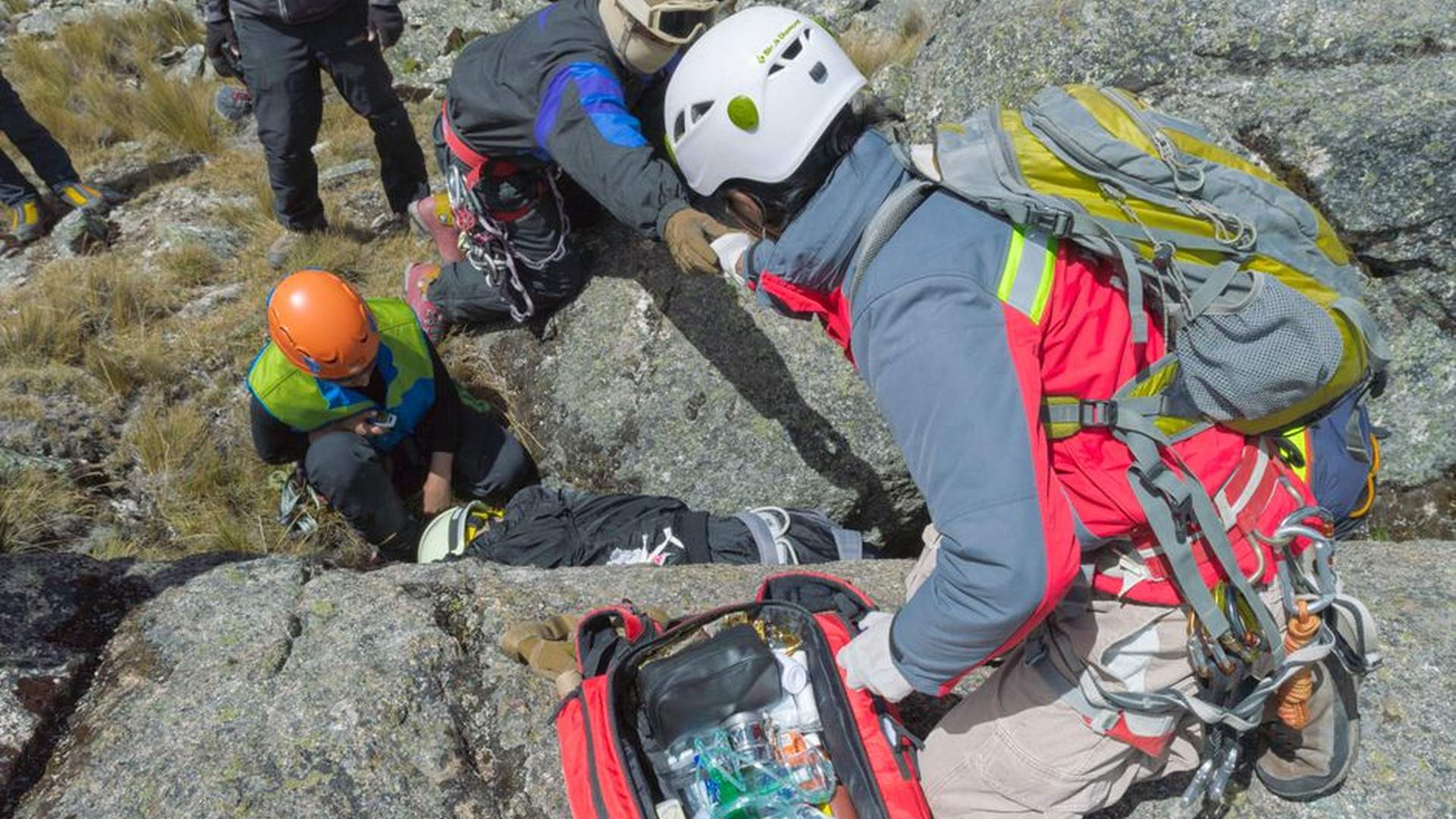
Carry a basic first aid kit. Include adhesive bandages, antiseptic wipes, pain relievers, and an emergency blanket. Know how to use it. Consider taking a wilderness first aid course—they’re often offered at local outdoor centers and can cost as little as $75.
Hydration is non-negotiable. Carry at least two liters of water, or a filter if you plan to refill from streams. In extreme heat, like in the Mojave Desert, dehydrating can set in within hours. One hiker in Death Valley had to stop after just four hours due to dizziness—his water bottle was nearly empty. He wasn’t ready.
Set Expectations and Protect Your Mindset
The best hiking experiences aren’t always the most perfect. Rain on a mountain summit isn’t a failure—it’s part of the story. Set realistic expectations. Your goal isn’t to complete every trail flawlessly. It’s to show up, stay safe, and enjoy the journey.
Mental toughness matters. I remember a friend who hiked the Inca Trail in Peru during a downpour. The path was slick, his gear soaked, and he felt defeated at times. But he kept going, not because he wanted to reach the top, but because he needed to trust his training. That experience taught him more than any flawless hike ever could.
Lastly, leave no trace. Respect the environment. Pack out all trash, stay on marked trails, and avoid disturbing wildlife—even if it’s just to get a better photo. Your actions help preserve these spaces for others.
Every great adventure begins with preparation. The ultimate travel planning checklist before your trip isn’t just a series of boxes to check. It’s a ritual of care, curiosity, and respect. When you’re standing at the trailhead, wind in your hair and sunlight breaking through the trees, you’ll feel it—the quiet pride that comes from knowing you were ready. That’s the real reward.