How to Reach Hallstatt: Your Gateway to Austria’s Fairytale Village
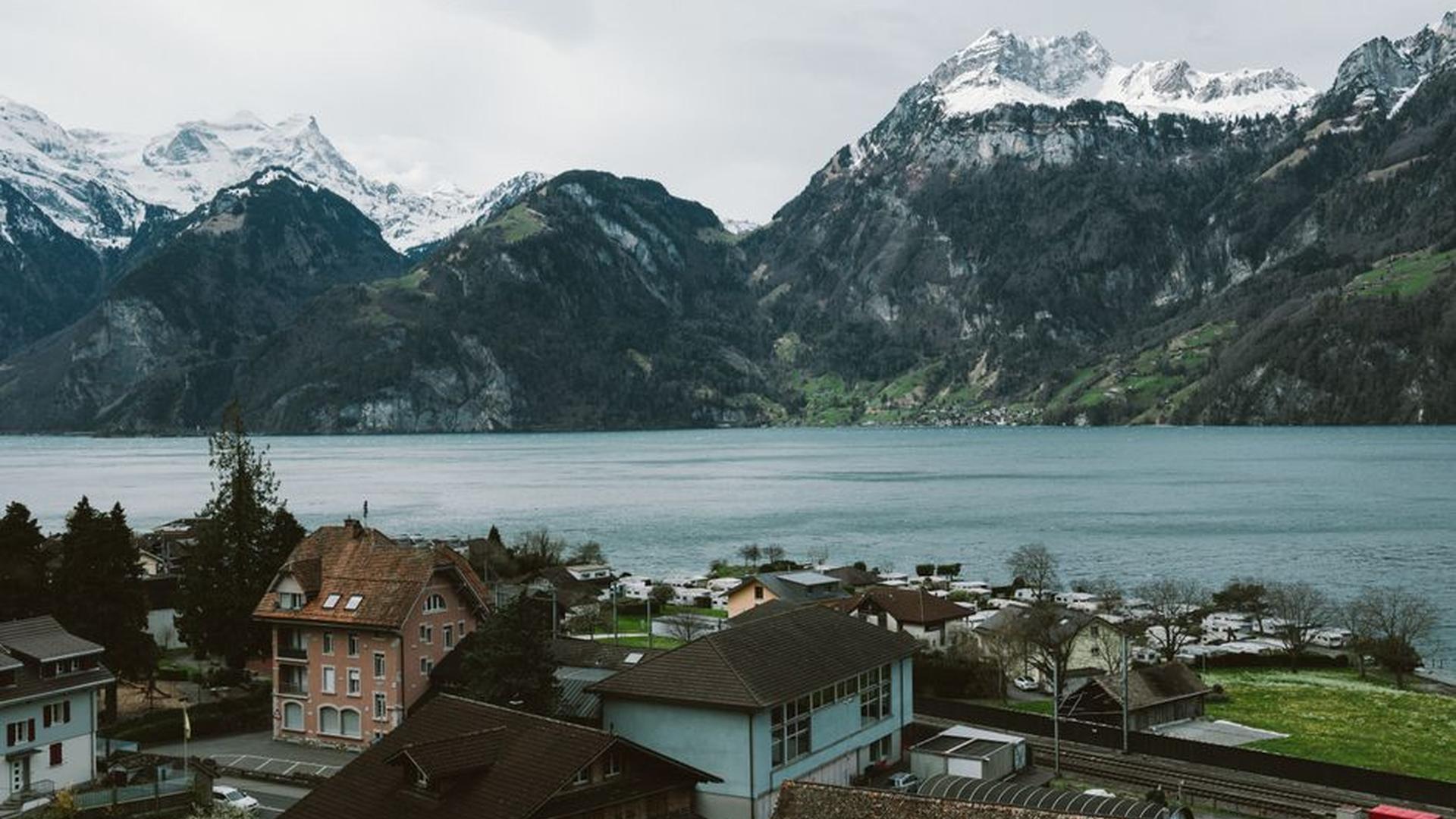
Imagine waking up to mist curling over a glassy alpine lake, framed by snow-dusted peaks and a village so perfectly preserved it looks like a page from a storybook. This isn’t fantasy—it’s Hallstatt, Austria’s famed alpine jewel. Nestled in the Dachstein Mountains, this UNESCO World Heritage site has drawn travelers for generations, not just for its postcard-perfect scenery, but for its soul—deep-rooted culture, ancient salt mines, and trails that unfold like nature’s greatest poetry. But before you can wander through its cobbled lanes or hike to the panoramic view at the top of the Hochfirst, you need to know how to reach Hallstatt. Whether you’re a seasoned backpacker or a first-time European explorer, this guide will walk you through the most seamless ways to arrive, so you’re not just passing through—your journey here begins the moment you step off the train.
By Train: The Scenic and Stress-Free Route
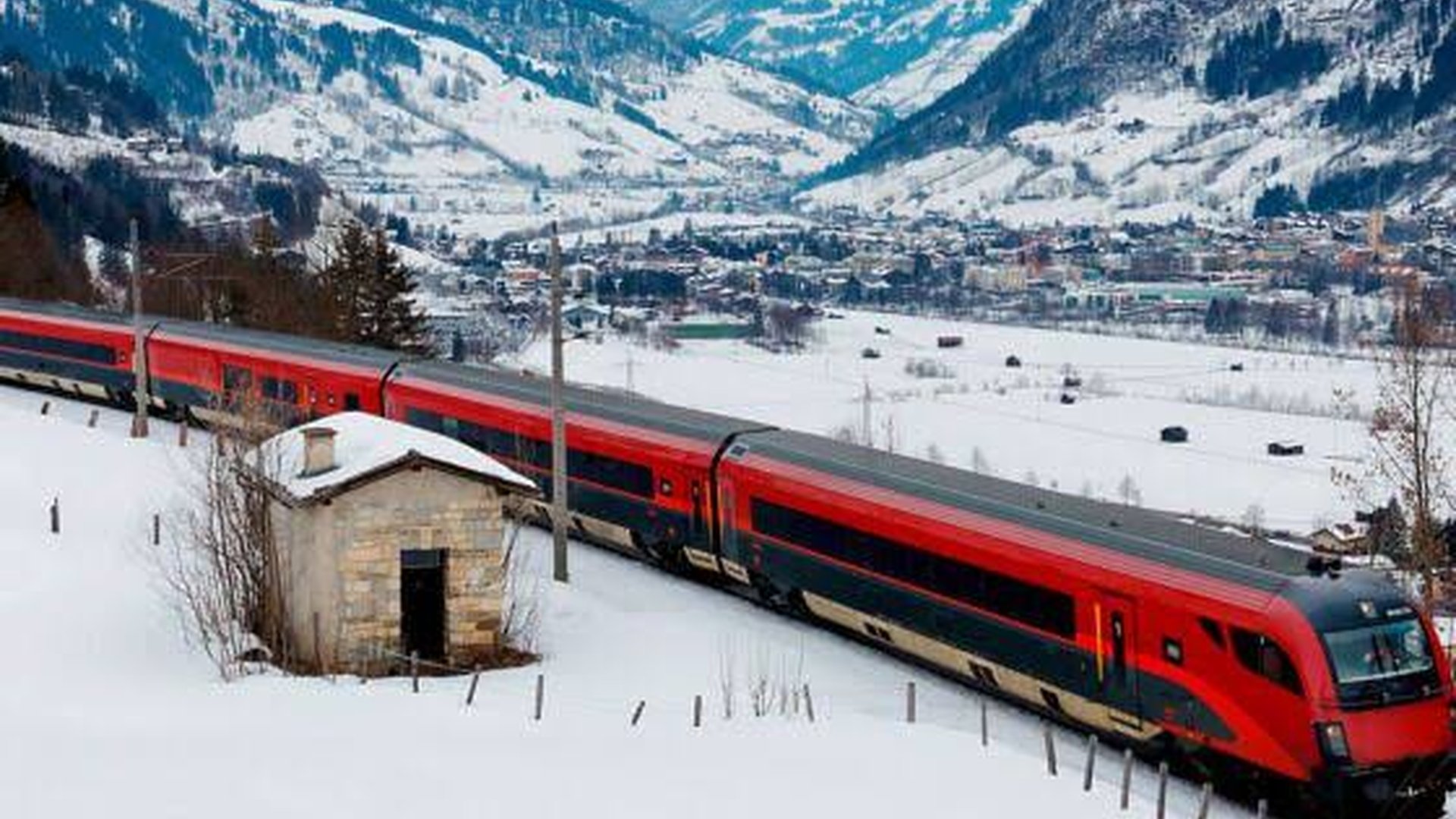
For most travelers, the train is not just the most convenient way to reach Hallstatt—it’s the most magical. The journey from Vienna to Hallstatt is a full transformation: from the bustling energy of Austria’s capital to the hushed beauty of the countryside. Take the Railjet or ÖBB regional train from Wien Hauptbahnhof (Vienna Central Station) to Salzburg, a journey of about 2.5 hours. From there, transfer to a regional train bound for Hallstatt station—just a 45-minute ride. As the train cuts through the Salzkammergut region, the landscape shifts from urban sprawl to rolling meadows, then to towering limestone cliffs and shimmering alpine lakes. But the real show begins at the final stop.
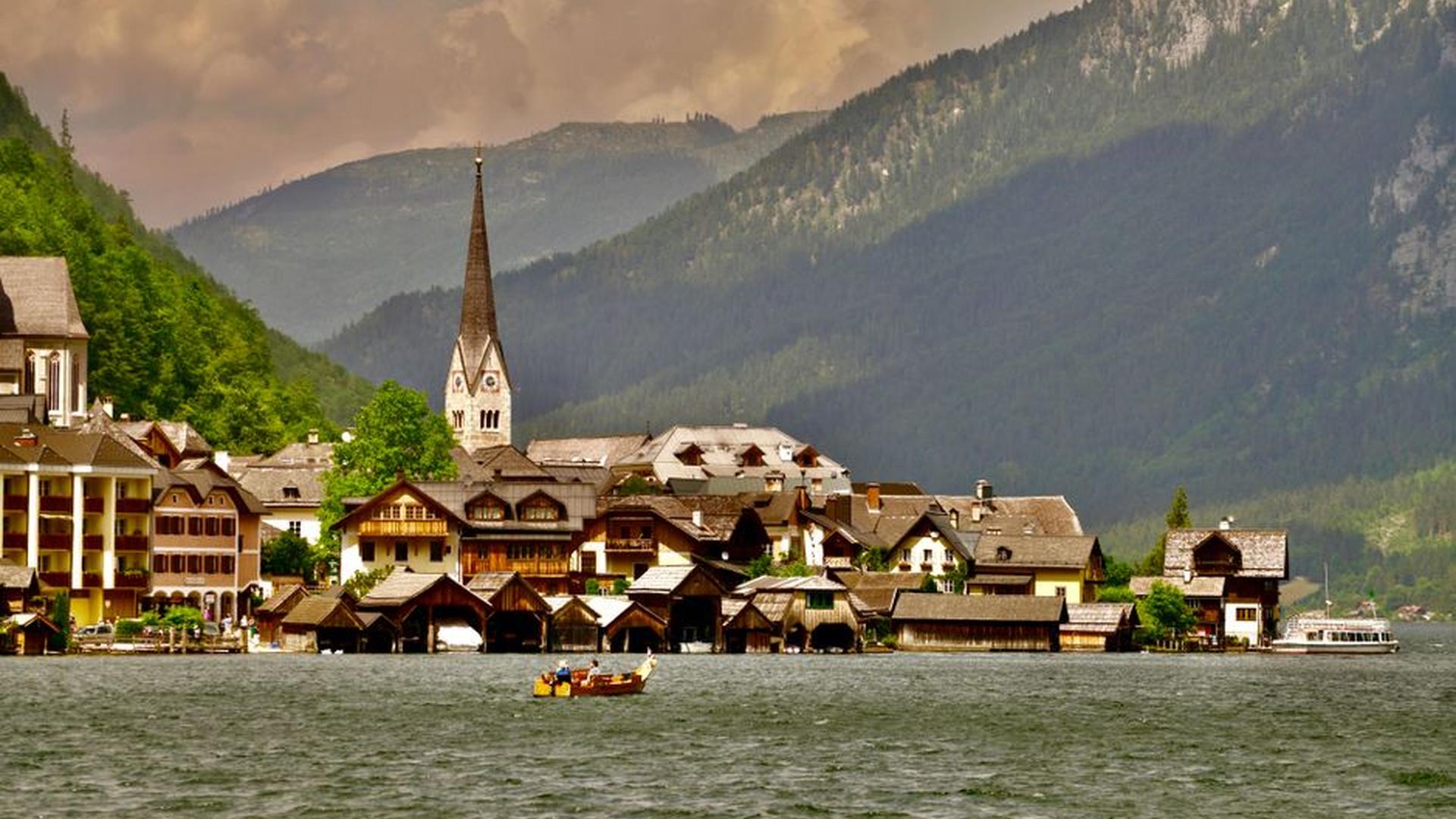
When your train pulls into Hallstatt station, you’ll instantly understand why so many visitors feel a quiet awe. The platform sits just above the lake, and you can see the village perched like a golden crown on the hillside, its red-roofed houses glowing in the alpine light. A local ferry waits at the dock to carry you across the water—the final 300 meters, but it’s an integral part of the experience. You’ll board with your bag, wave to a woman in a traditional dirndl, and glide across the mirror-like surface, feeling as if you’ve floated into another world.
This train route isn’t just practical—it’s cinematic. Many travelers book long-distance tickets in advance, especially during summer months when the region is packed. Booking via the ÖBB website or through apps like Trainline ensures you’ll have a seat and avoid last-minute stress.
From Salzburg: A Day Trip with Soul
If you’re based in Salzburg—whether you’re exploring Mozart’s hometown, hiking in the Tennengau Valley, or attending a summer festival—Hallstatt is within easy reach. The 90-minute train ride offers golden views of Austria’s most picturesque valleys, and it’s a fantastic option for a full-day adventure. Many local tour operators offer guided excursions that include round-trip transport, a visit to the Hallstatt Salt Mine (one of the oldest in Europe), and entry to the Hallstatt Museum.
What makes this route special is the opportunity to experience a full cultural immersion. Before heading to the lake, take 20 minutes to wander Salzburg’s old town. Sip a warm coffee in the Hohensalzburg Fortress courtyard, hear a street musician play a Strauss waltz, and let the city’s energy ride with you into the mountains. Then, as the train speeds north, the music fades and is replaced by the quiet wind and distant echo of cowbells.
One traveler, a teacher from Chicago, wrote in her travel blog: “I arrived in Hallstatt at 1:30 PM, sat on a wooden bench near the town square, and watched a pair of swallows dive and twist above the water. I didn’t even unpack my bag. I just stayed—absorbed. That’s when I knew I’d found my kind of peace.”
Car and Bike: For the Adventurous and the Independent
If you prefer to drive, the route from Salzburg via the B146 offers a dramatic introduction. You’ll ascend through the Untersberg region, where goat herders guide their flocks past old stone churches and wooden barns draped in ivy. As you crest the final hill, the view of the lake and village unfolds like a movie screen. But here’s a key detail: private vehicles are not allowed to park in the town center. The last 2 kilometers before the village are reserved for pedestrians and cyclists only.
To avoid confusion, park at one of the official lots just outside Hallstatt—there’s a large one near the ferry dock, and another close to the lakefront. From there, it’s a 10-minute walk or bike ride into the heart of town. Bring a foldable bike if you’re on a tight schedule—the town’s narrow streets and stone pathways make traditional riding tricky.
Cycling enthusiasts love the 17-kilometer route from Bad Aussee, which traces the shores of the Hallstätter See along a paved riverpath. It’s a favorite among locals and offers breathtaking views, especially at sunrise. The trail connects to a network of regional cycling paths, so you can ride further to Dachstein or even Gmunden if you’re game.
Why Hallstatt Is More Than a Stopover
The reason so many travelers return to Hallstatt isn’t just because of the views—it’s because of the rhythm. Life here moves slowly. You’ll hear the chime of a bell at 8:15 AM, see children in blue backpacks walking to the primary school, and smell fresh bread from a bakery that’s been serving the same sourdough recipe since 1923.
But beyond the local charm, Hallstatt has real appeal for hikers. The trails around the village are among Austria’s most accessible and rewarding. The 1.5-hour climb to the top of the Oberhauser Hütte offers panoramic views over the entire alpine arc. And if you’re up for more, the Dachstein Ice Caves and the surrounding high-alpine routes are for those ready to trade comfort for awe.
Many visitors use Hallstatt as a starting point for longer treks—like the 4-day hike from Bad Goisern to St. Wolfgang, which passes through alpine meadows, ancient alpine huts, and waterfalls that tumble into mossy pools.
Planning Your Arrival: Practical Tips
To make your journey seamless, plan ahead. The best time to visit is May through September, when the weather is mild and most huts are open. Avoid mid-July and August if you dislike crowds—summer weekends can feel like a packed city park.
Pack light, but don’t forget: a waterproof jacket, good hiking shoes, and a reusable water bottle. The village has no fast-food chains—just small cafes and family-run bistros where you can try a slice of Hallstatt apple strudel or a warm mutton stew.
When you finally step onto the cobbled path in front of the church, and see the lake again for the first time from the ground—after your boat ride, your train ride, your long walk—there’s a moment of stillness. You’ve made it. And you’re not just at a destination. You’ve reached the beginning of something deeper.