The Grand Entrance: Where Elegance Meets Alpine Majesty
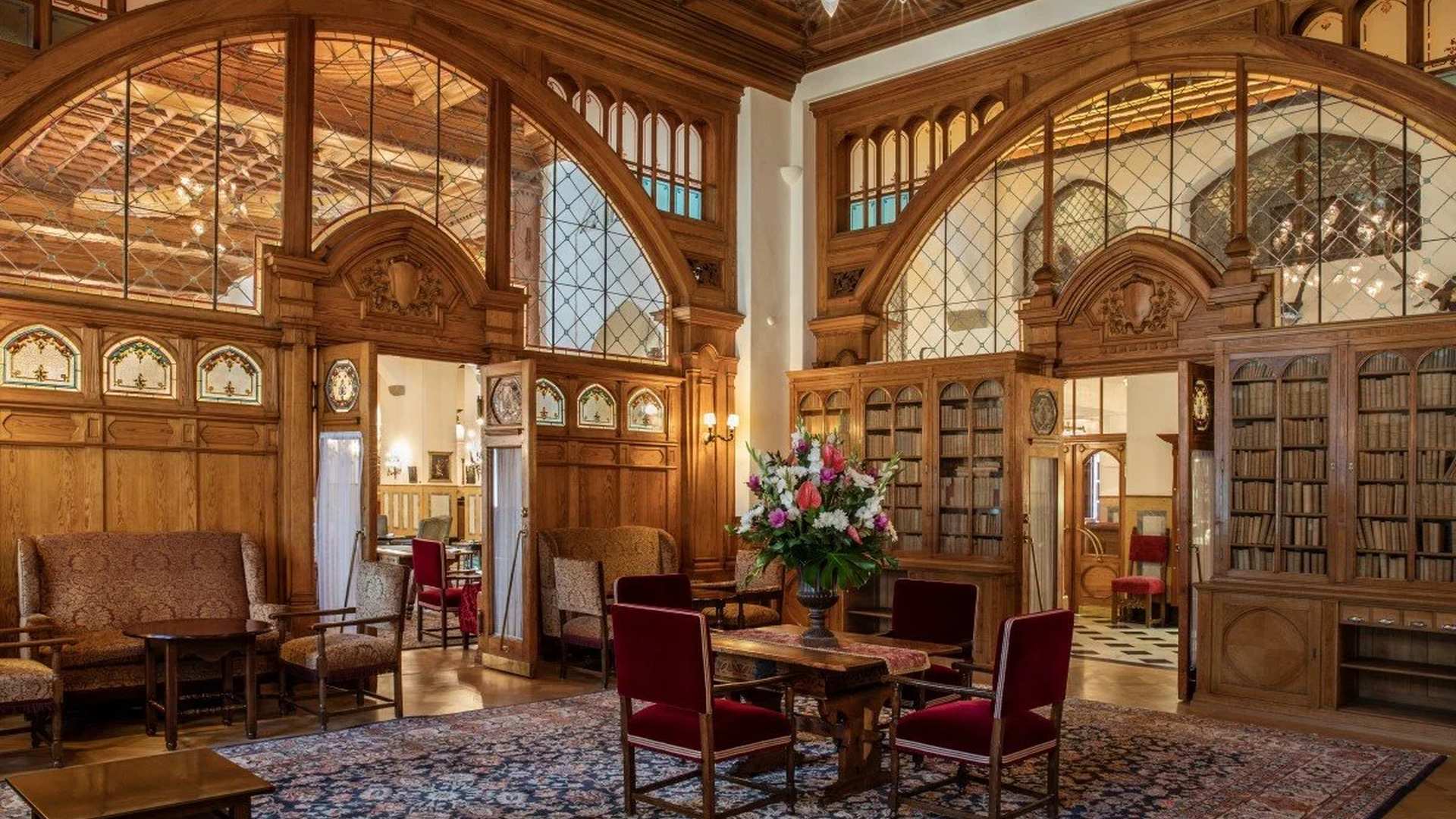
Stepping into the Presidential Suite at Badrutt’s Palace in St. Moritz is less like checking in and more like crossing a threshold into another world. The moment the ornate wooden door opens, you’re greeted not by a receptionist, but by a hush so deep it feels like the Alps themselves are whispering, “Welcome home.” This isn’t just a hotel room—it’s a sanctuary sculpted from alpine tradition, Swiss craftsmanship, and a reverence for quiet luxury. The grand foyer, with its hand-carved walnut panels and snow-dusted chandeliers, sets the tone: this is not a place to visit, but to inhabit.
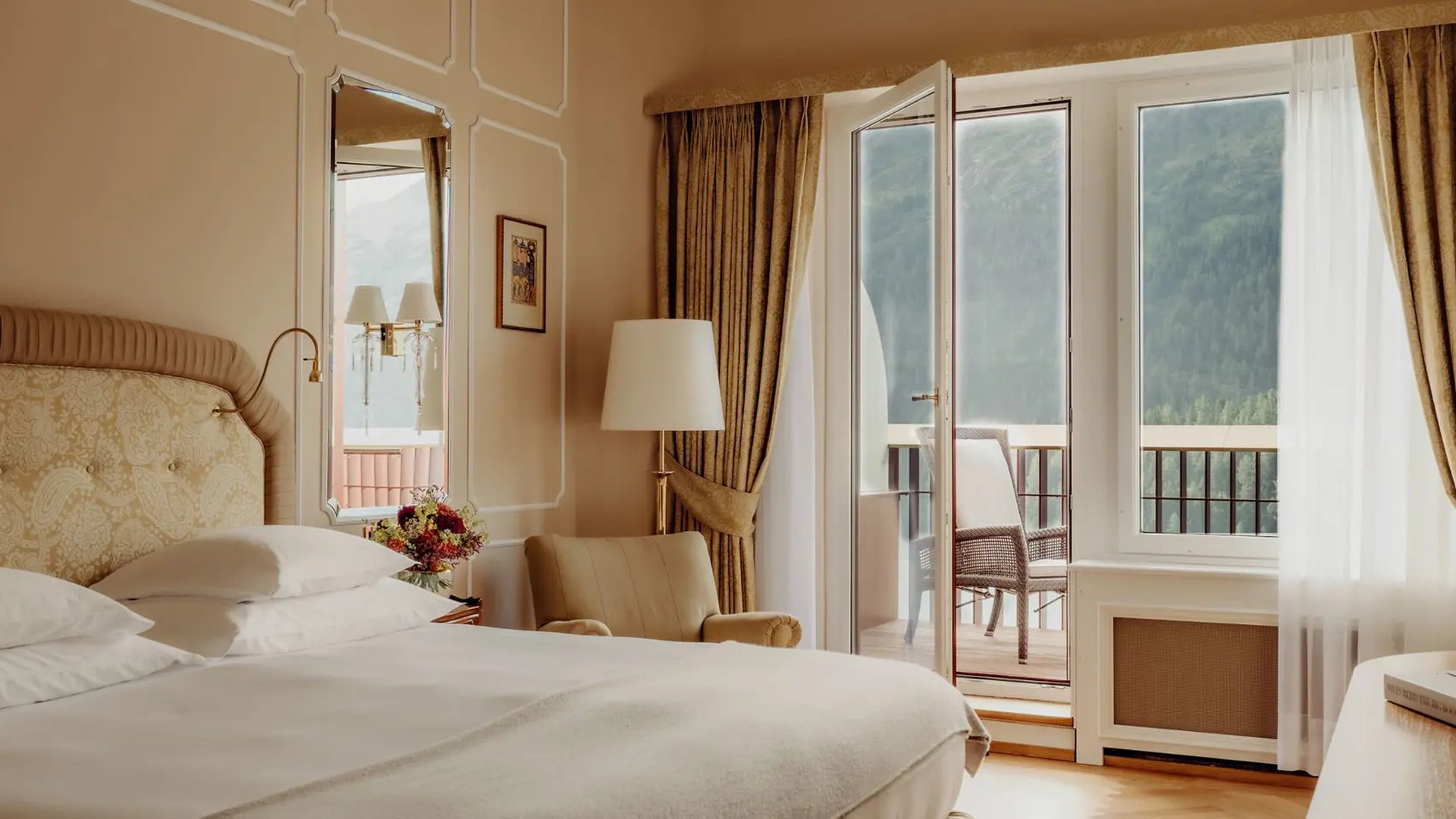
The suite stretches across 210 square meters—nearly 2,260 square feet—of uninterrupted elegance. Floor-to-ceiling windows frame the icy peaks of the Engadin Valley, where the morning light glints off the frozen surface of Lake St. Moritz like scattered diamonds. And yet, it’s not the view that first captivates. It’s the air—the soft, crisp scent of pine and aged leather, the gentle hum of a silent heating system, the way sunlight pools like gold on Siberian pine floors. You feel it immediately: this space wasn’t built to impress. It was built to belong.
A Room as a Masterpiece: Details That Tell a Story
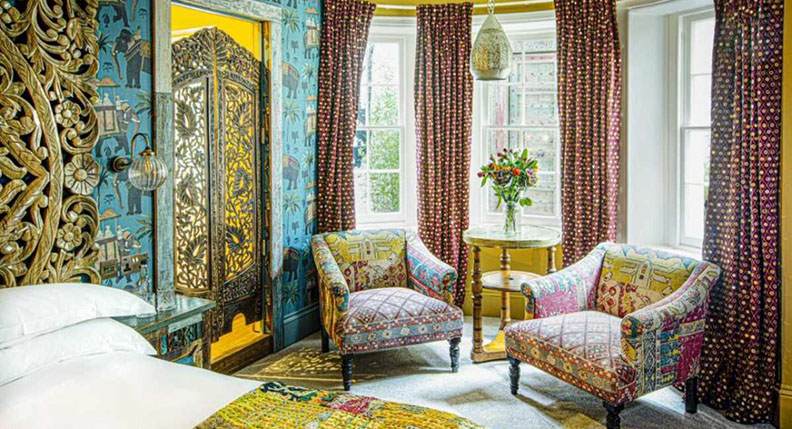
Luxury here isn’t about excess. It’s about intention. Every element in the Presidential Suite has a purpose, a story, or both. The bed, a 19th-century restoration of a bespoke Swiss design, is swathed in 400-thread-count linens, not for show, but for sleep. It’s said the duvet is stuffed with down so rare that only seven families in the Alps still know how to harvest it. The bathroom is a marble cathedral with a freestanding soaking tub carved from a single block of Italian travertine. A hidden shower stall behind the wall uses geothermal water heated by the mountain’s natural heat. The digital suite controls are hidden behind a wooden panel that resembles a bookshelf—innovation disguised as tradition.
The wardrobe isn’t just for clothes. It’s a climate-controlled vault for perfume and dry cleaner pieces, equipped with a rotating hanger system and a full-length mirror that adjusts light temperature to match your mood. In the study nook, a 1940s-era rotary phone sits on a teak desk beneath a fresco of the Matterhorn. It connects—not to a call center, but to a personal butler who knows your preferred tea blend before you ask and anticipates your morning schedule.
The Alchemy of Privacy and Service
What truly defines the Presidential Suite is not what you see, but what you don’t. The service here is invisible, almost ghostlike. You don’t order. You don’t request. You simply wake, and your favorite chaise lounge is already pulled to the window. The door to the balcony opens, and on a plate, a single rose and a note: “The wind is strong today. Watch the snow from the east ridge. Your silence is respected.”
There’s a moment, late at night, when you stand at the glass, sipping chamomile tea from a hand-painted porcelain cup, and realize: you’ve not spoken to another soul since check-in. And yet, you’ve never felt more connected. That’s the alchemy of this suite—privacy that isn’t isolation, but deep comfort. The staff don’t hover. They appear only when needed, and always with a quiet smile and a name you didn’t ask for. One morning, your private chef arrived with a notebook saying, “I heard you like the umami of dried morel mushrooms. Here’s today’s menu: wild boar, foraged forest greens, and a spiced apple emulsion.”
Why This Suite Is More Than a Stay—It’s a Rite of Passage
There’s a reason the Presidential Suite at Badrutt’s Palace has hosted royalty, celebrities, and private collectors who’d never spend $20,000 a night on a room. It’s not about extravagance. It’s about transformation.
For the hiker who’s spent weeks trekking through the Bernese Alps, exhausted and weather-beaten, this suite becomes a sanctuary. The cold, crisp air of the valley is now your companion, not your enemy. The crackling fire in the marble hearth isn’t just a warm glow—it’s a promise: you are safe. You are seen. You are not alone in your stillness.
For the traveler who has packed light, slept on thin mats, and braved frostbite, this suite offers not luxury, but relief. It’s the moment you realize that being rich doesn’t mean owning everything. It means having a space where your body, mind, and soul can finally rest. The moment you not only see the Alps but feel them—as they were meant to be felt.
It’s not a vacation. It’s a ritual. A rite of passage from exhaustion to reverence. And it’s not done in a single night. It happens over five hours, or maybe seven—the time it takes to walk the suite’s perimeter, to read the handwritten book on the nightstand (a first edition of *The Snow Leopard* by Peter Matthiesen), to trace the gold filigree on the ceiling’s fresco, and to finally lie back on that down-silk bed, eyes closed, listening to a single wind gust sway the curtain.

Leaving the Mountains: The Weight of the Memory
Check-out day dawns with a soft knock. The butler brings a small wooden box wrapped in velvet. Inside: a single dried alpine rose, pressed into parchment. On the back, written in a delicate cursive: “You carried the mountain with you. It will stay in your silence.”
You open the door to a world that still sends hikers up icy trails and luxury seekers to more palaces. But you’re different now. You’ve not just stayed at a suite. You’ve lived in one—longer than time allows, deeper than comfort permits.
St. Moritz isn’t a destination for proof of travel. It’s a place where the world slows down so you can finally hear it. And the Presidential Suite at Badrutt’s Palace? It’s not a room. It’s an invitation—to be still, to be seen, to be exactly where you’re meant to be.